

Give the Gift of Choice!
Too many options? Treat your friends and family to their favourite stores with a Bayshore Shopping Centre gift card, redeemable at participating retailers throughout the centre. Click below to purchase yours today!Purchase HereHome
Biological Significance of RNAs in Plants
Coles
Loading Inventory...
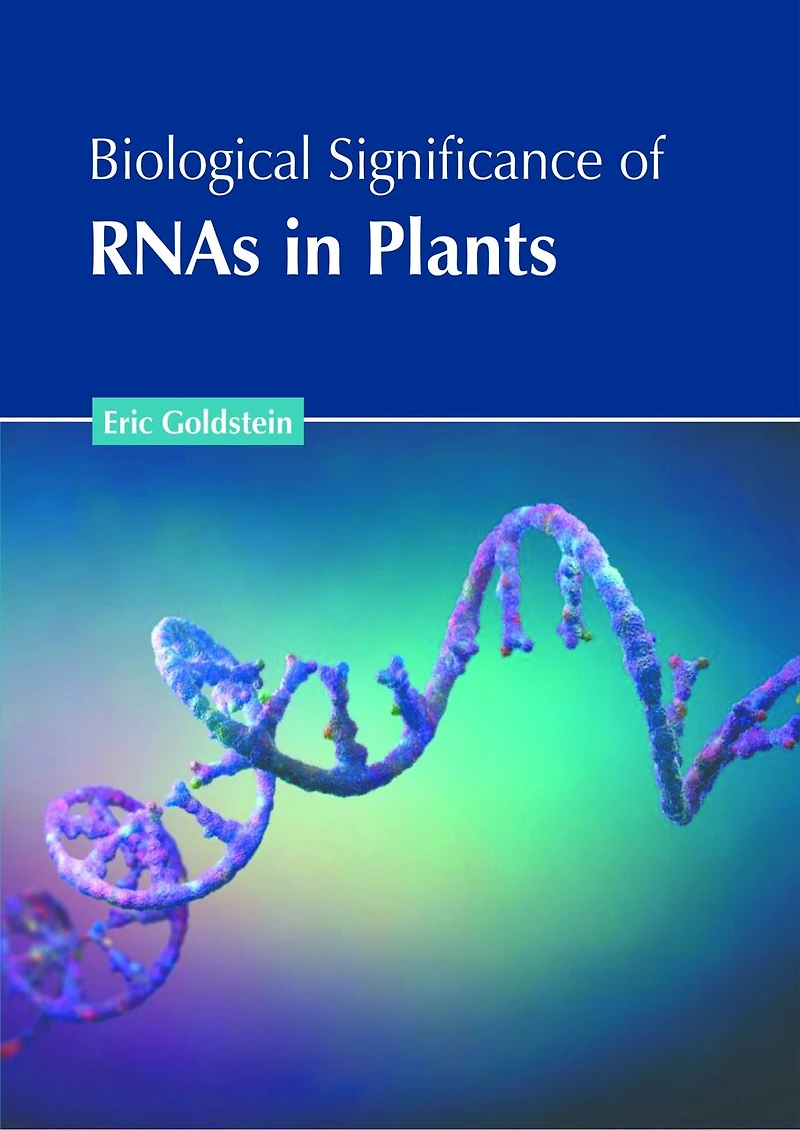
Biological Significance of RNAs in Plants in Ottawa, ON
Current price: $201.50

Biological Significance of RNAs in Plants in Ottawa, ON
Current price: $201.50
Loading Inventory...
Size: Hardcover
*Product information may vary - to confirm product availability, pricing, shipping and return information please contact Coles
RNA or ribonucleic acid is a molecule essential for coding, decoding, regulation, and expression of genes. It is single-stranded and composed of ribose sugar, phosphate, and nitrogenous bases. It transmits genetic information from DNA to ribosomes for protein synthesis. RNAs play crucial roles in the biological processes of plants, extending beyond their classical function in protein synthesis. Messenger RNA (mRNA) conveys genetic information from DNA to ribosomes, facilitating protein production essential for plant growth and development. Ribosomal RNA (rRNA) forms the core of ribosome's structure and function. Transfer RNA (tRNA) is pivotal in translating mRNA into amino acid sequences. Small RNAs, including microRNAs (miRNAs) and small interfering RNAs (siRNAs), regulate gene expression at the post-transcriptional level, influencing plant development, stress responses, and pathogen defense. Long non-coding RNAs (lncRNAs) are involved in chromatin remodeling, transcriptional regulation, and response to environmental stimuli. Additionally, circular RNAs (circRNAs) act as gene expression regulators and are implicated in plant stress tolerance. Collectively, these various RNA molecules ensure plants adapt and thrive by managing gene expression, responding to environmental changes, and maintaining cellular homeostasis. The topics included in this book on RNA are of utmost significance and bound to provide incredible insights to readers. There has been rapid progress in this field and its applications are finding their way across multiple industries. This book aims to equip students and experts with the advanced topics and upcoming concepts in this area.
RNA or ribonucleic acid is a molecule essential for coding, decoding, regulation, and expression of genes. It is single-stranded and composed of ribose sugar, phosphate, and nitrogenous bases. It transmits genetic information from DNA to ribosomes for protein synthesis. RNAs play crucial roles in the biological processes of plants, extending beyond their classical function in protein synthesis. Messenger RNA (mRNA) conveys genetic information from DNA to ribosomes, facilitating protein production essential for plant growth and development. Ribosomal RNA (rRNA) forms the core of ribosome's structure and function. Transfer RNA (tRNA) is pivotal in translating mRNA into amino acid sequences. Small RNAs, including microRNAs (miRNAs) and small interfering RNAs (siRNAs), regulate gene expression at the post-transcriptional level, influencing plant development, stress responses, and pathogen defense. Long non-coding RNAs (lncRNAs) are involved in chromatin remodeling, transcriptional regulation, and response to environmental stimuli. Additionally, circular RNAs (circRNAs) act as gene expression regulators and are implicated in plant stress tolerance. Collectively, these various RNA molecules ensure plants adapt and thrive by managing gene expression, responding to environmental changes, and maintaining cellular homeostasis. The topics included in this book on RNA are of utmost significance and bound to provide incredible insights to readers. There has been rapid progress in this field and its applications are finding their way across multiple industries. This book aims to equip students and experts with the advanced topics and upcoming concepts in this area.
















More About Coles at Bayshore Shopping Centre
Coles is renowned for its outstanding customer service and great selection of books. Along with the vast array of magazines, stationary, audio-books, children's literature, fiction, non-fiction and reference books, you can find accessories to make your reading experience more pleasurable. We can recommend the very best in reading today. We will help you search our titles for exactly what you need, and if we do not have it in stock, we will order it for you.
100 Bayshore Dr, Nepean, ON K2B 8C1, Canada
Find Coles at Bayshore Shopping Centre in Ottawa, ON
Visit Coles at Bayshore Shopping Centre in Ottawa, ON