

Give the Gift of Choice!
Too many options? Treat your friends and family to their favourite stores with a Bayshore Shopping Centre gift card, redeemable at participating retailers throughout the centre. Click below to purchase yours today!Purchase HereHome
Black Indian Slave Narratives
Coles
Loading Inventory...
Black Indian Slave Narratives in Ottawa, ON
Current price: $10.69
Original price: $12.99

Black Indian Slave Narratives in Ottawa, ON
Current price: $10.69
Original price: $12.99
Loading Inventory...
Size: Kobo eBook
*Product information may vary - to confirm product availability, pricing, shipping and return information please contact Coles
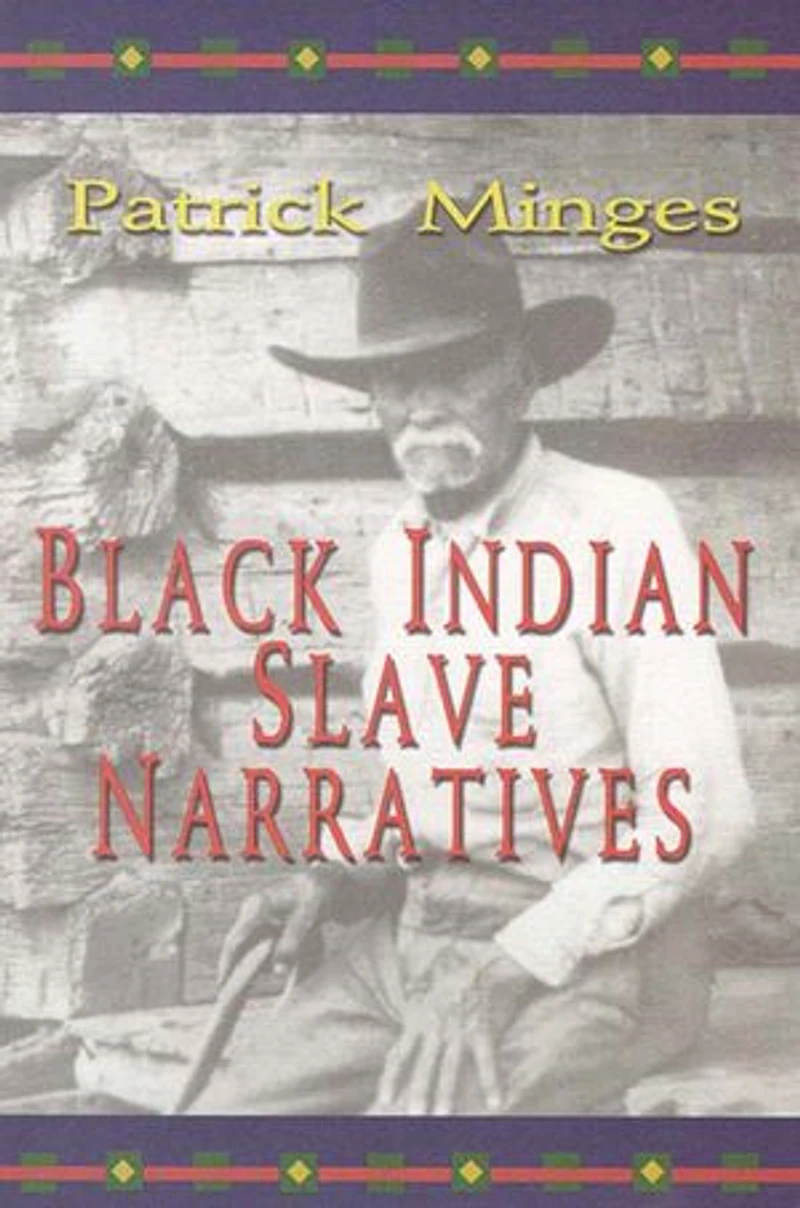
Few people realize that Native Americans were enslaved right alongside the African Americans in this country. Fewer still realize that many Native Americans owned African Americans and Native Americans from other tribes. Recently, historians have determined that of the 2,193 interviews with former slaves that were collected by the Federal Writers’ Project, 12 percent contain some reference to the interviewees’ being related to or descended from Native Americans. In addition, many of the interviewees make references to their Native American owners. In Black Indian Slave Narratives, Patrick Minges offers the most absorbing of these firsthand testimonies about African American and Native American relationships in the 19th century. The selections include an interview with Felix Lindsey, who was born in Kentucky of Mvskoke/African heritage and who served as one of the buffalo soldiers who rounded up Geronimo. Chaney Mack, whose father was a “full-blood African” from Liberia and whose mother was a “pure-blood Indian,” gives an in-depth look at both sides of her cultural heritage, including her mother’s visions based on the “night the stars fell” over Alabama. There are stories of Native Americans taken by “nigger stealers,” who found themselves placed on slave-auction blocks alongside their African counterparts. The narratives in this collection provide insight into the lives of people who lived in complex and dynamically interconnected cultures. The interviews also offer historical details of capture and enslavement, life in the Old South and the Old West, Indian removal, and slavery in the Indian territory.
Patrick Minges worked for 17 years for Amnesty International and Human Rights Watch. He teaches in Stokes County Schools and at Forsyth Technical Community College in Winston-Salem. He is also the author of Slavery in the Cherokee Nation: The Keetowah Society and the Defining of a People, 1855-1867 and Far More Terrible for Women: Personal Accounts of Women in Slavery .
"This book is an important contribution to the dialogue about relationships between African-Americans and Native-Americans, and the complex political context in which these narratives were recorded. Patrick does not over-analyze this often emotional subject. He simply allows the people to tell their stories." -Wilma Mankiller
Few people realize that Native Americans were enslaved right alongside the African Americans in this country. Fewer still realize that many Native Americans owned African Americans and Native Americans from other tribes. Recently, historians have determined that of the 2,193 interviews with former slaves that were collected by the Federal Writers’ Project, 12 percent contain some reference to the interviewees’ being related to or descended from Native Americans. In addition, many of the interviewees make references to their Native American owners. In Black Indian Slave Narratives, Patrick Minges offers the most absorbing of these firsthand testimonies about African American and Native American relationships in the 19th century. The selections include an interview with Felix Lindsey, who was born in Kentucky of Mvskoke/African heritage and who served as one of the buffalo soldiers who rounded up Geronimo. Chaney Mack, whose father was a “full-blood African” from Liberia and whose mother was a “pure-blood Indian,” gives an in-depth look at both sides of her cultural heritage, including her mother’s visions based on the “night the stars fell” over Alabama. There are stories of Native Americans taken by “nigger stealers,” who found themselves placed on slave-auction blocks alongside their African counterparts. The narratives in this collection provide insight into the lives of people who lived in complex and dynamically interconnected cultures. The interviews also offer historical details of capture and enslavement, life in the Old South and the Old West, Indian removal, and slavery in the Indian territory.
Patrick Minges worked for 17 years for Amnesty International and Human Rights Watch. He teaches in Stokes County Schools and at Forsyth Technical Community College in Winston-Salem. He is also the author of Slavery in the Cherokee Nation: The Keetowah Society and the Defining of a People, 1855-1867 and Far More Terrible for Women: Personal Accounts of Women in Slavery .
"This book is an important contribution to the dialogue about relationships between African-Americans and Native-Americans, and the complex political context in which these narratives were recorded. Patrick does not over-analyze this often emotional subject. He simply allows the people to tell their stories." -Wilma Mankiller
You May Also Like







More About Coles at Bayshore Shopping Centre
Coles is renowned for its outstanding customer service and great selection of books. Along with the vast array of magazines, stationary, audio-books, children's literature, fiction, non-fiction and reference books, you can find accessories to make your reading experience more pleasurable. We can recommend the very best in reading today. We will help you search our titles for exactly what you need, and if we do not have it in stock, we will order it for you.
100 Bayshore Dr, Nepean, ON K2B 8C1, Canada
Find Coles at Bayshore Shopping Centre in Ottawa, ON
Visit Coles at Bayshore Shopping Centre in Ottawa, ON