

Give the Gift of Choice!
Too many options? Treat your friends and family to their favourite stores with a Bayshore Shopping Centre gift card, redeemable at participating retailers throughout the centre. Click below to purchase yours today!Purchase HereHome
Black Mirror: The Cultural Contradictions Of American Racism
Coles
Loading Inventory...
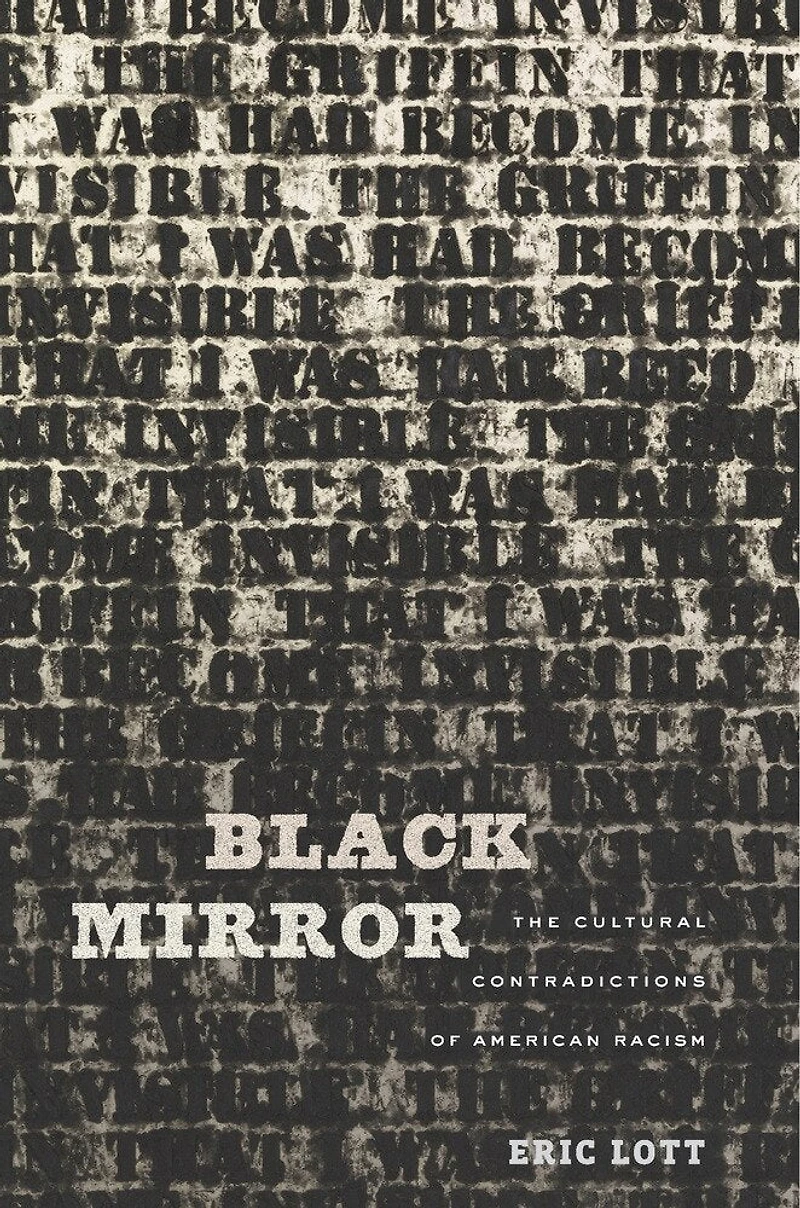
Black Mirror: The Cultural Contradictions Of American Racism in Ottawa, ON
Current price: $56.00

Black Mirror: The Cultural Contradictions Of American Racism in Ottawa, ON
Current price: $56.00
Loading Inventory...
Size: Hardcover
*Product information may vary - to confirm product availability, pricing, shipping and return information please contact Coles
Blackness, as the entertainment and sports industries well know, is a prized commodity in American pop culture. Marketed to white consumers, black culture invites whites to view themselves in a mirror of racial difference, while at the same time offering the illusory reassurance that they remain “wholly” white. Charting a rich landscape that includes classic American literature, Hollywood films, pop music, and investigative journalism, Eric Lott reveals the hidden dynamics of this self-and-other mirroring of racial symbolic capital.
Black Mirror is a timely reflection on the ways provocative representations of racial difference serve to sustain white cultural dominance. As Lott demonstrates, the fraught symbolism of racial difference props up white hegemony, but it also tantalizingly threatens to expose the contradictions and hypocrisies upon which the edifice of white power has been built. Mark Twain’s still-controversial depiction of black characters and dialect, John Howard Griffin’s experimental cross-racial reporting, Joni Mitchell’s perverse penchant for cross-dressing as a black pimp, Bob Dylan’s knowing thefts of black folk music: these instances and more show how racial fantasy, structured through the mirroring of identification and appropriation so visible in blackface performance, still thrives in American culture, despite intervening decades of civil rights activism, multiculturalism, and the alleged post-racialism of the twenty-first century. In Black Mirror , white and black Americans view themselves through a glass darkly, but also face to face.
Blackness, as the entertainment and sports industries well know, is a prized commodity in American pop culture. Marketed to white consumers, black culture invites whites to view themselves in a mirror of racial difference, while at the same time offering the illusory reassurance that they remain “wholly” white. Charting a rich landscape that includes classic American literature, Hollywood films, pop music, and investigative journalism, Eric Lott reveals the hidden dynamics of this self-and-other mirroring of racial symbolic capital.
Black Mirror is a timely reflection on the ways provocative representations of racial difference serve to sustain white cultural dominance. As Lott demonstrates, the fraught symbolism of racial difference props up white hegemony, but it also tantalizingly threatens to expose the contradictions and hypocrisies upon which the edifice of white power has been built. Mark Twain’s still-controversial depiction of black characters and dialect, John Howard Griffin’s experimental cross-racial reporting, Joni Mitchell’s perverse penchant for cross-dressing as a black pimp, Bob Dylan’s knowing thefts of black folk music: these instances and more show how racial fantasy, structured through the mirroring of identification and appropriation so visible in blackface performance, still thrives in American culture, despite intervening decades of civil rights activism, multiculturalism, and the alleged post-racialism of the twenty-first century. In Black Mirror , white and black Americans view themselves through a glass darkly, but also face to face.









More About Coles at Bayshore Shopping Centre
Coles is renowned for its outstanding customer service and great selection of books. Along with the vast array of magazines, stationary, audio-books, children's literature, fiction, non-fiction and reference books, you can find accessories to make your reading experience more pleasurable. We can recommend the very best in reading today. We will help you search our titles for exactly what you need, and if we do not have it in stock, we will order it for you.
100 Bayshore Dr, Nepean, ON K2B 8C1, Canada
Find Coles at Bayshore Shopping Centre in Ottawa, ON
Visit Coles at Bayshore Shopping Centre in Ottawa, ON