

Give the Gift of Choice!
Too many options? Treat your friends and family to their favourite stores with a Bayshore Shopping Centre gift card, redeemable at participating retailers throughout the centre. Click below to purchase yours today!Purchase HereHome
Blood Lust, Trust & Blame
Coles
Loading Inventory...
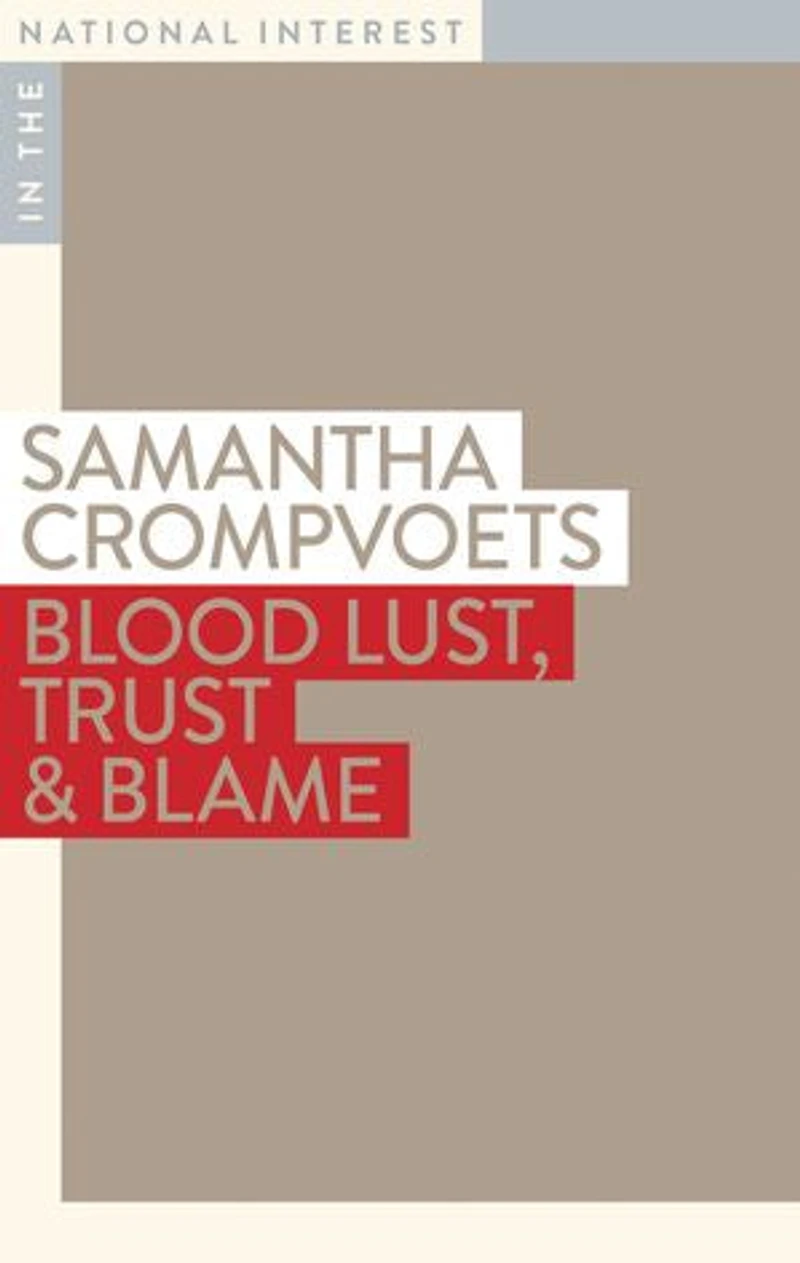
Blood Lust, Trust & Blame in Ottawa, ON
By None
Current price: $7.99
Original price: $8.78

By None
Blood Lust, Trust & Blame in Ottawa, ON
Current price: $7.99
Original price: $8.78
Loading Inventory...
Size: Kobo eBook
*Product information may vary - to confirm product availability, pricing, shipping and return information please contact Coles
As Australia comes to grips with accusations that some of its elite soldiers committed war crimes in Afghanistan, a catchcry for certain commentators is that the ‘fog of war’ explains, justifies and possibly excuses the alleged atrocities that have come to light. The term seeks to capture the uncertainty regarding one’s own capability, the adversary’s capability, and intent. However, the ‘fog of war’ is woefully inadequate in explaining actions that were deliberate, targeted and repeated. Abuses of power and the normalisation of deviance are at the heart of the ‘cultural issues’ that have long plagued the Australian Defence Force. In fact, this can be said of all institutions grappling with the same problems: histories of abuse and secrecy, sexual harassment, and problems of diversity and inclusion. It is always easiest to point a finger at a ‘what’ rather than a ‘who’, so ‘culture’ features prominently in analyses of what went wrong regarding the alleged war crimes committed by Australia’s Special Operations Command. But does a focus on culture provide clarity or obscurity? Does it lead to or is it a barrier to accountability? How do you know when you’ve achieved cultural change? In Blood Lust, Trust & Blame , sociologist Samantha Crompvoets tells the story of what went wrong in the ADF. It is a chronicle of the consequences of pursuing the truth, the politics of accountability, and the cost of action.
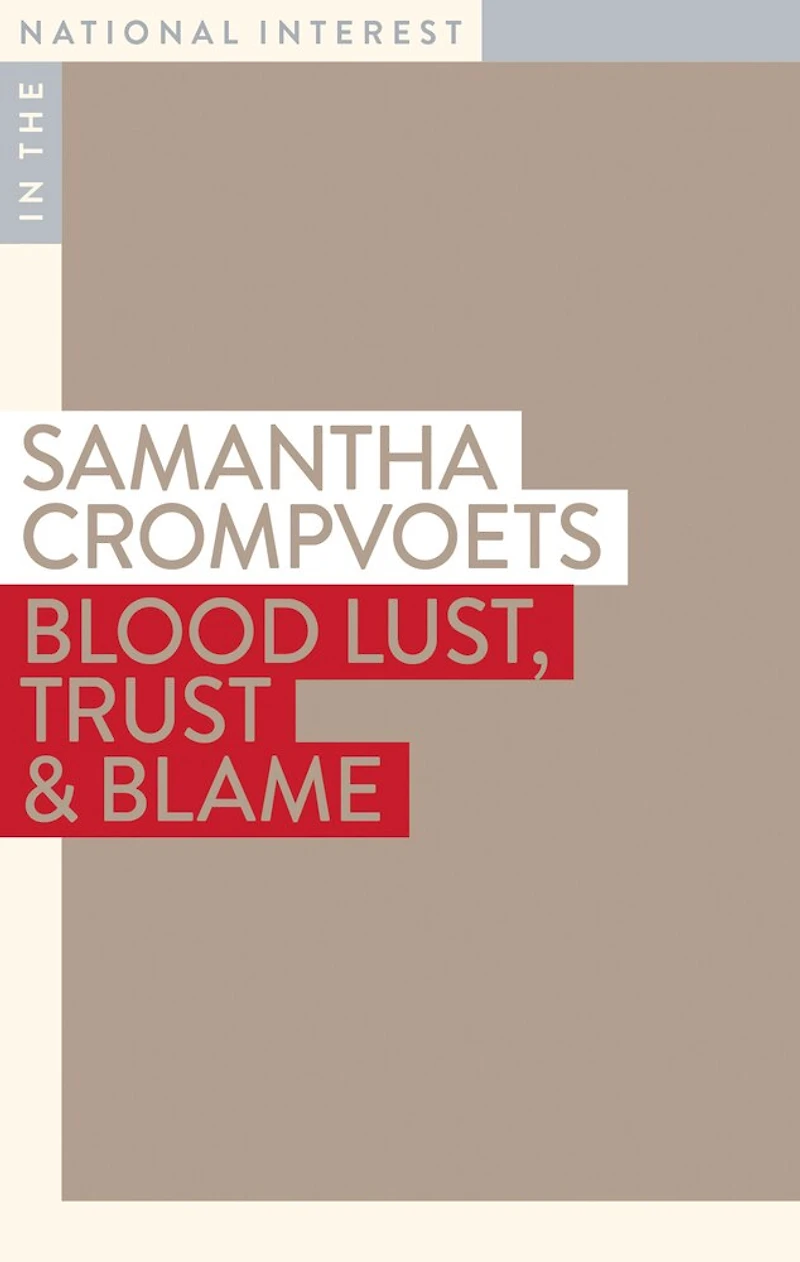
As Australia comes to grips with accusations that some of its elite soldiers committed war crimes in Afghanistan, a catchcry for certain commentators is that the ‘fog of war’ explains, justifies and possibly excuses the alleged atrocities that have come to light. The term seeks to capture the uncertainty regarding one’s own capability, the adversary’s capability, and intent. However, the ‘fog of war’ is woefully inadequate in explaining actions that were deliberate, targeted and repeated. Abuses of power and the normalisation of deviance are at the heart of the ‘cultural issues’ that have long plagued the Australian Defence Force. In fact, this can be said of all institutions grappling with the same problems: histories of abuse and secrecy, sexual harassment, and problems of diversity and inclusion. It is always easiest to point a finger at a ‘what’ rather than a ‘who’, so ‘culture’ features prominently in analyses of what went wrong regarding the alleged war crimes committed by Australia’s Special Operations Command. But does a focus on culture provide clarity or obscurity? Does it lead to or is it a barrier to accountability? How do you know when you’ve achieved cultural change? In Blood Lust, Trust & Blame , sociologist Samantha Crompvoets tells the story of what went wrong in the ADF. It is a chronicle of the consequences of pursuing the truth, the politics of accountability, and the cost of action.
You May Also Like











More About Coles at Bayshore Shopping Centre
Coles is renowned for its outstanding customer service and great selection of books. Along with the vast array of magazines, stationary, audio-books, children's literature, fiction, non-fiction and reference books, you can find accessories to make your reading experience more pleasurable. We can recommend the very best in reading today. We will help you search our titles for exactly what you need, and if we do not have it in stock, we will order it for you.
100 Bayshore Dr, Nepean, ON K2B 8C1, Canada
Find Coles at Bayshore Shopping Centre in Ottawa, ON
Visit Coles at Bayshore Shopping Centre in Ottawa, ON