

Give the Gift of Choice!
Too many options? Treat your friends and family to their favourite stores with a Bayshore Shopping Centre gift card, redeemable at participating retailers throughout the centre. Click below to purchase yours today!Purchase HereHome
Bloodied Bodies, Bloody Landscapes: Settler Colonialism Horror
Coles
Loading Inventory...
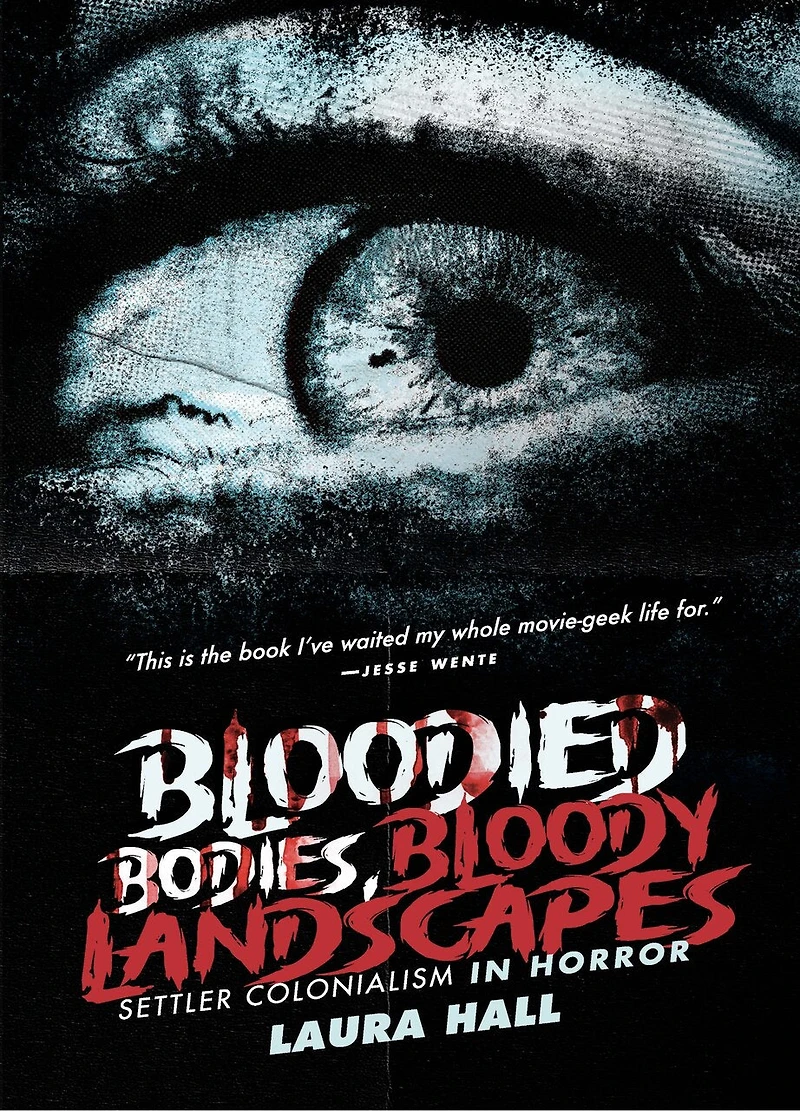
Bloodied Bodies, Bloody Landscapes: Settler Colonialism Horror in Ottawa, ON
By None
Current price: $89.00

By None
Bloodied Bodies, Bloody Landscapes: Settler Colonialism Horror in Ottawa, ON
Current price: $89.00
Loading Inventory...
Size: Hardcover
*Product information may vary - to confirm product availability, pricing, shipping and return information please contact Coles
Turning a lens on the dark legacy of colonialism in horror film, from Scream to Halloween and beyond Horror films, more than any other genre, offer a chilling glimpse-like peering through a creaky attic door-into the brutality of settler colonial violence. While Indigenous peoples continue to struggle against colonization, white settler narratives consistently position them as a threat, depicting the Indigenous Other as an ever-present menace, lurking on the fringes of "civilized" society. Indigenous inclusion or exclusion in horror films tells a larger story about myths, fears, and anxieties that have endured for centuries. Bloodied Bodies, Bloody Landscapes traces connections between Indigenous representations, gender, and sexuality within iconic horror classics like The Texas Chainsaw Massacre and Friday the 13th. The savage killer, the romantic and doomed Indian, the feral "mad woman"-no trope or archetype escapes the shadowy influence of settler colonialism. In the end, horror both disrupts and uncovers colonial violence-only to bury its victims once more.
Turning a lens on the dark legacy of colonialism in horror film, from Scream to Halloween and beyond Horror films, more than any other genre, offer a chilling glimpse-like peering through a creaky attic door-into the brutality of settler colonial violence. While Indigenous peoples continue to struggle against colonization, white settler narratives consistently position them as a threat, depicting the Indigenous Other as an ever-present menace, lurking on the fringes of "civilized" society. Indigenous inclusion or exclusion in horror films tells a larger story about myths, fears, and anxieties that have endured for centuries. Bloodied Bodies, Bloody Landscapes traces connections between Indigenous representations, gender, and sexuality within iconic horror classics like The Texas Chainsaw Massacre and Friday the 13th. The savage killer, the romantic and doomed Indian, the feral "mad woman"-no trope or archetype escapes the shadowy influence of settler colonialism. In the end, horror both disrupts and uncovers colonial violence-only to bury its victims once more.
You May Also Like
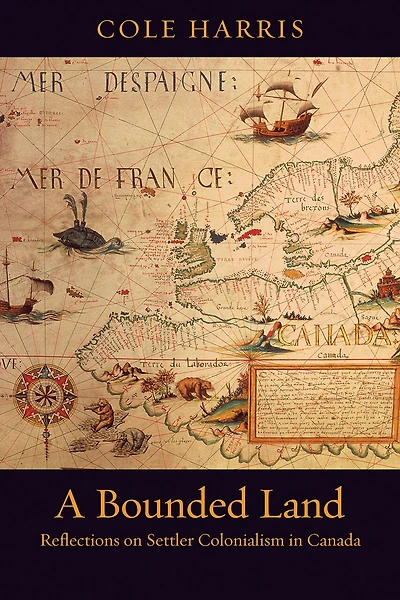







More About Coles at Bayshore Shopping Centre
Coles is renowned for its outstanding customer service and great selection of books. Along with the vast array of magazines, stationary, audio-books, children's literature, fiction, non-fiction and reference books, you can find accessories to make your reading experience more pleasurable. We can recommend the very best in reading today. We will help you search our titles for exactly what you need, and if we do not have it in stock, we will order it for you.
100 Bayshore Dr, Nepean, ON K2B 8C1, Canada
Find Coles at Bayshore Shopping Centre in Ottawa, ON
Visit Coles at Bayshore Shopping Centre in Ottawa, ON