

Give the Gift of Choice!
Too many options? Treat your friends and family to their favourite stores with a Bayshore Shopping Centre gift card, redeemable at participating retailers throughout the centre. Click below to purchase yours today!Purchase HereHome
Bloody Harlan
Coles
Loading Inventory...
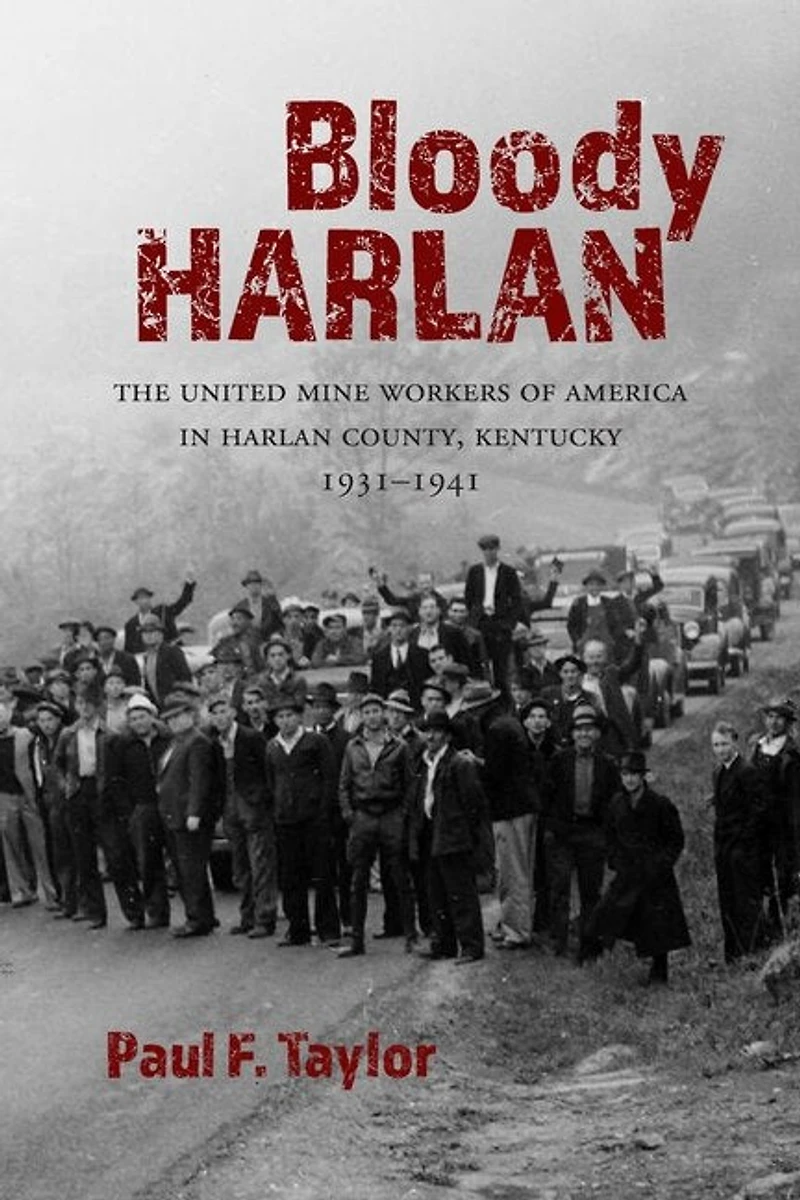
Bloody Harlan in Ottawa, ON
Current price: $38.95

Bloody Harlan in Ottawa, ON
Current price: $38.95
Loading Inventory...
Size: Paperback
*Product information may vary - to confirm product availability, pricing, shipping and return information please contact Coles
This book details the classic saga of conflict between labor and management occasioned by the many attempts of the United Mine Workers of America to organize Harlan's miners during the New Deal Era. Harlan County, Kentucky was the last major anti-union bastion in the Appalachian coalfield. The story of the organization of the county's coal mines by the United Mine Workers of America is largely confined to the decade of the 1930's. The most serious union campaigns occurred in 1931-32, after the passage of the National Industrial Recovery Act in 1933, and following the enactment of the National Labor Relations Act in 1935. Finally, after almost a decade of labor strife, the Federal Government intervened following the Supreme Court decision in the case, N.L.R.B. v. Jones & Laughlin Steel Corporation (301 U.S.1), on April 12, 1937 which upheld the National Labor Relations Act. After a year of federal inquiry, culminating in the Mary Helen conspiracy trial at London, Kentucky, Harlan's miners could join the UMWA openly and without fear of recrimination.
This book details the classic saga of conflict between labor and management occasioned by the many attempts of the United Mine Workers of America to organize Harlan's miners during the New Deal Era. Harlan County, Kentucky was the last major anti-union bastion in the Appalachian coalfield. The story of the organization of the county's coal mines by the United Mine Workers of America is largely confined to the decade of the 1930's. The most serious union campaigns occurred in 1931-32, after the passage of the National Industrial Recovery Act in 1933, and following the enactment of the National Labor Relations Act in 1935. Finally, after almost a decade of labor strife, the Federal Government intervened following the Supreme Court decision in the case, N.L.R.B. v. Jones & Laughlin Steel Corporation (301 U.S.1), on April 12, 1937 which upheld the National Labor Relations Act. After a year of federal inquiry, culminating in the Mary Helen conspiracy trial at London, Kentucky, Harlan's miners could join the UMWA openly and without fear of recrimination.
You May Also Like
%252Fimages%252Fcatalog2024%252F281108_1.jpg_medium.webp)











More About Coles at Bayshore Shopping Centre
Coles is renowned for its outstanding customer service and great selection of books. Along with the vast array of magazines, stationary, audio-books, children's literature, fiction, non-fiction and reference books, you can find accessories to make your reading experience more pleasurable. We can recommend the very best in reading today. We will help you search our titles for exactly what you need, and if we do not have it in stock, we will order it for you.
100 Bayshore Dr, Nepean, ON K2B 8C1, Canada
Find Coles at Bayshore Shopping Centre in Ottawa, ON
Visit Coles at Bayshore Shopping Centre in Ottawa, ON