

Give the Gift of Choice!
Too many options? Treat your friends and family to their favourite stores with a Bayshore Shopping Centre gift card, redeemable at participating retailers throughout the centre. Click below to purchase yours today!Purchase HereHome
Body of Power: The Mars by Giambologna
Coles
Loading Inventory...
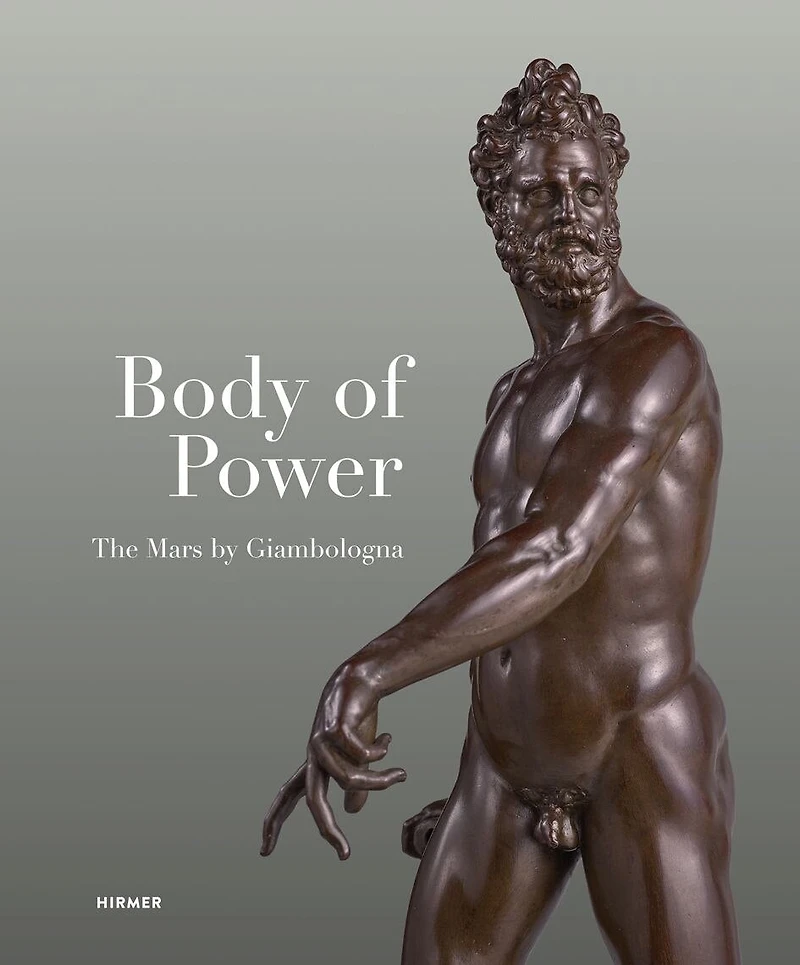
Body of Power: The Mars by Giambologna in Ottawa, ON
By None
Current price: $78.00

By None
Body of Power: The Mars by Giambologna in Ottawa, ON
Current price: $78.00
Loading Inventory...
Size: Hardcover
*Product information may vary - to confirm product availability, pricing, shipping and return information please contact Coles
Illuminates Giambologna’s oeuvre and artistic milieu, whose creations had a lasting influence on late Renaissance art.
One of the most extraordinary male nudes from the Mannerist period, Giambologna’s bronze statuette Mars (ca. 1574) is among the most impressive depictions of the god of war. It unites ancient ideals with artistic innovation. This symbol of sovereignty is masterfully realized in the powerful appearance of the statuette.
Symbolically, Giambologna’s Mars stands between war and peace, destruction and renewal. Why the artist depicted the god of war not in full armor, but rather nude, is one of the exciting questions the book explores. This volume also includes works by Antonio Susini, Giovanni Francesco Susini, Pietro Tacca, and Adrian de Fries.
Illuminates Giambologna’s oeuvre and artistic milieu, whose creations had a lasting influence on late Renaissance art.
One of the most extraordinary male nudes from the Mannerist period, Giambologna’s bronze statuette Mars (ca. 1574) is among the most impressive depictions of the god of war. It unites ancient ideals with artistic innovation. This symbol of sovereignty is masterfully realized in the powerful appearance of the statuette.
Symbolically, Giambologna’s Mars stands between war and peace, destruction and renewal. Why the artist depicted the god of war not in full armor, but rather nude, is one of the exciting questions the book explores. This volume also includes works by Antonio Susini, Giovanni Francesco Susini, Pietro Tacca, and Adrian de Fries.
You May Also Like













More About Coles at Bayshore Shopping Centre
Coles is renowned for its outstanding customer service and great selection of books. Along with the vast array of magazines, stationary, audio-books, children's literature, fiction, non-fiction and reference books, you can find accessories to make your reading experience more pleasurable. We can recommend the very best in reading today. We will help you search our titles for exactly what you need, and if we do not have it in stock, we will order it for you.
100 Bayshore Dr, Nepean, ON K2B 8C1, Canada
Find Coles at Bayshore Shopping Centre in Ottawa, ON
Visit Coles at Bayshore Shopping Centre in Ottawa, ON