

Give the Gift of Choice!
Too many options? Treat your friends and family to their favourite stores with a Bayshore Shopping Centre gift card, redeemable at participating retailers throughout the centre. Click below to purchase yours today!Purchase HereHome
Born To Lose: The Misfits Who Made Dog Day Afternoon
Coles
Loading Inventory...
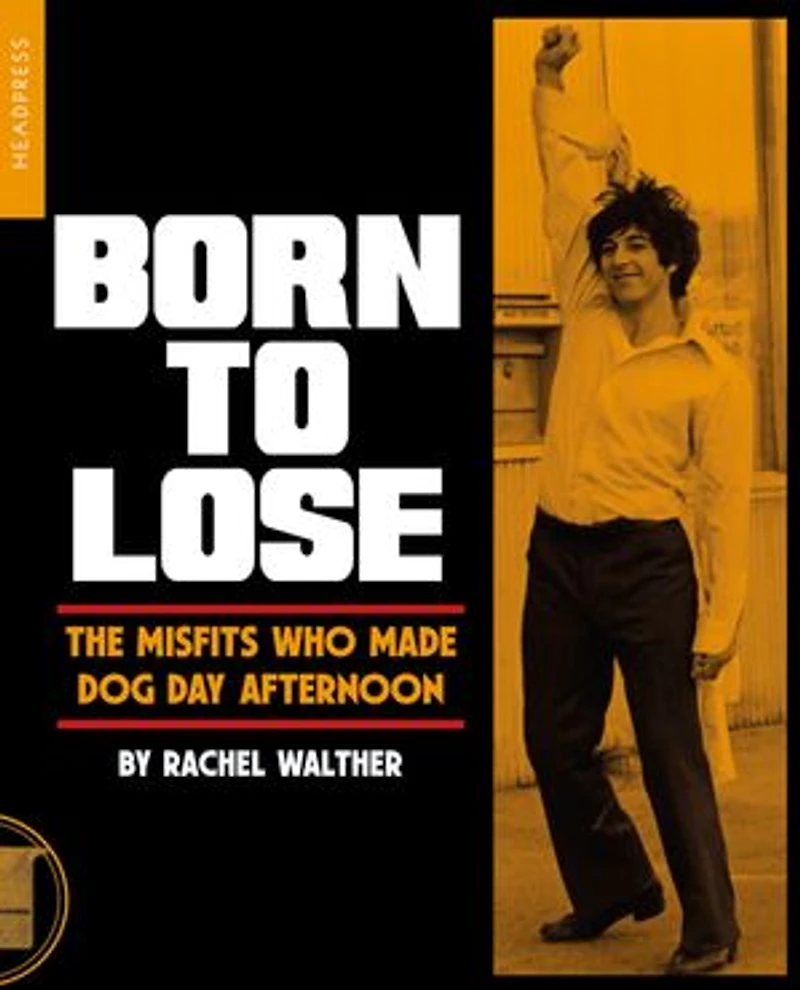
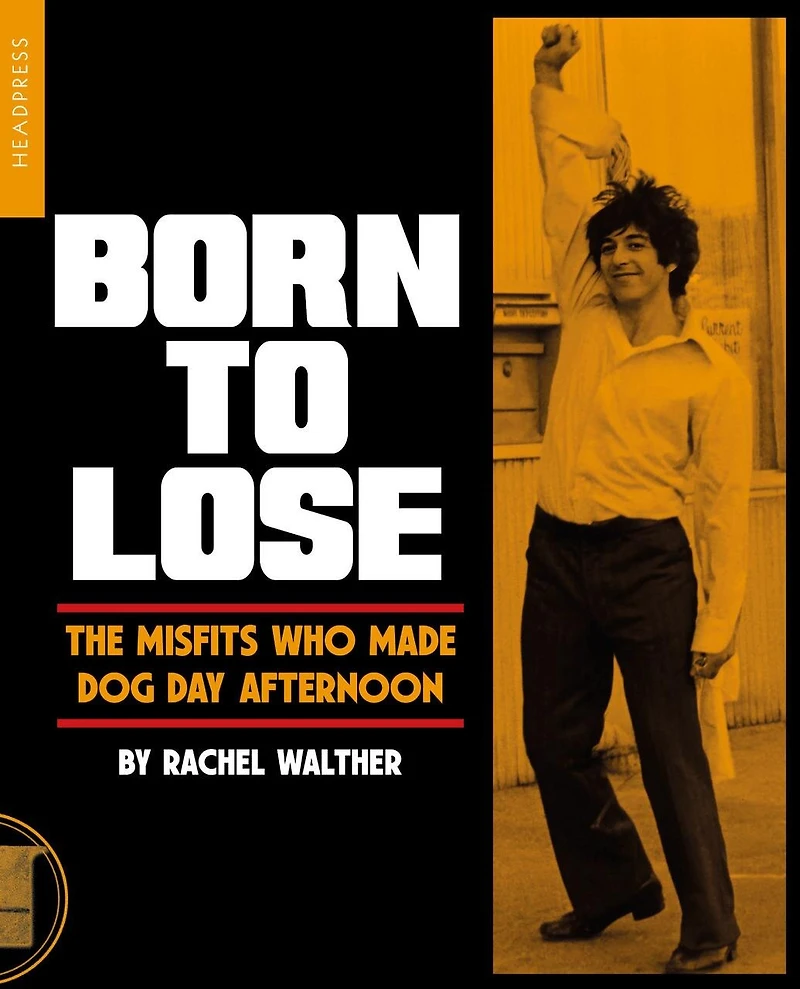
Born To Lose: The Misfits Who Made Dog Day Afternoon in Ottawa, ON
By None
Current price: $17.39
Original price: $21.65

By None
Born To Lose: The Misfits Who Made Dog Day Afternoon in Ottawa, ON
Current price: $17.39
Original price: $21.65
Loading Inventory...
Size: Kobo eBook
*Product information may vary - to confirm product availability, pricing, shipping and return information please contact Coles
August 22, 1972: Two men attempt to rob a bank in Brooklyn. They fail miserably: the money they’d hoped for isn’t there, the cops get tipped off immediately, and within 30 minutes they’re in a hostage situation with the FBI. Things really get crazy when reporters learn that one of the robbers is gay and married to a trans woman. The crowd of journalists and onlookers grows into the hundreds, desperate for a glimpse of this charismatic live-wire who’s robbing the bank not for greed or thrills, but to fund his partner’s sexual reassignment surgery.
Sound familiar? This is the plot of Dog Day Afternoon , the 1975 film directed by Sidney Lumet and starring Al Pacino, John Cazale, and Chris Sarandon. It remains a high-water mark of New Hollywood, where the best acting talent of the day came together on a film that was truly exceptional. But equally exceptional was the fact that the film was based on a true-life incident.
Drawing on extensive archival research, film historian Rachel Walther delves into the film’s backstory, tracing how an unbelievable true crime tale of love, bank robbery, and LGBTQI+ activism became a box-office smash and catapulted a group of Brooklyn outsiders into the media spotlight. Name-checked on TV shows from The Simpsons to Drunk History , and now a Broadway play, Dog Day Afternoon ’s legacy continues to inspire filmmakers, writers, and actors. Walther’s deep dive interrogates the film’s place in the 1970s zeitgeist, set against a background of antiwar activism and the fight for gay and trans rights, and in doing so shows its continuing relevance today.
August 22, 1972: Two men attempt to rob a bank in Brooklyn. They fail miserably: the money they’d hoped for isn’t there, the cops get tipped off immediately, and within 30 minutes they’re in a hostage situation with the FBI. Things really get crazy when reporters learn that one of the robbers is gay and married to a trans woman. The crowd of journalists and onlookers grows into the hundreds, desperate for a glimpse of this charismatic live-wire who’s robbing the bank not for greed or thrills, but to fund his partner’s sexual reassignment surgery.
Sound familiar? This is the plot of Dog Day Afternoon , the 1975 film directed by Sidney Lumet and starring Al Pacino, John Cazale, and Chris Sarandon. It remains a high-water mark of New Hollywood, where the best acting talent of the day came together on a film that was truly exceptional. But equally exceptional was the fact that the film was based on a true-life incident.
Drawing on extensive archival research, film historian Rachel Walther delves into the film’s backstory, tracing how an unbelievable true crime tale of love, bank robbery, and LGBTQI+ activism became a box-office smash and catapulted a group of Brooklyn outsiders into the media spotlight. Name-checked on TV shows from The Simpsons to Drunk History , and now a Broadway play, Dog Day Afternoon ’s legacy continues to inspire filmmakers, writers, and actors. Walther’s deep dive interrogates the film’s place in the 1970s zeitgeist, set against a background of antiwar activism and the fight for gay and trans rights, and in doing so shows its continuing relevance today.
You May Also Like








More About Coles at Bayshore Shopping Centre
Coles is renowned for its outstanding customer service and great selection of books. Along with the vast array of magazines, stationary, audio-books, children's literature, fiction, non-fiction and reference books, you can find accessories to make your reading experience more pleasurable. We can recommend the very best in reading today. We will help you search our titles for exactly what you need, and if we do not have it in stock, we will order it for you.
100 Bayshore Dr, Nepean, ON K2B 8C1, Canada
Find Coles at Bayshore Shopping Centre in Ottawa, ON
Visit Coles at Bayshore Shopping Centre in Ottawa, ON