

Give the Gift of Choice!
Too many options? Treat your friends and family to their favourite stores with a Bayshore Shopping Centre gift card, redeemable at participating retailers throughout the centre. Click below to purchase yours today!Purchase HereHome
Boundary Control: Subnational Authoritarianism Federal Democracies
Coles
Loading Inventory...
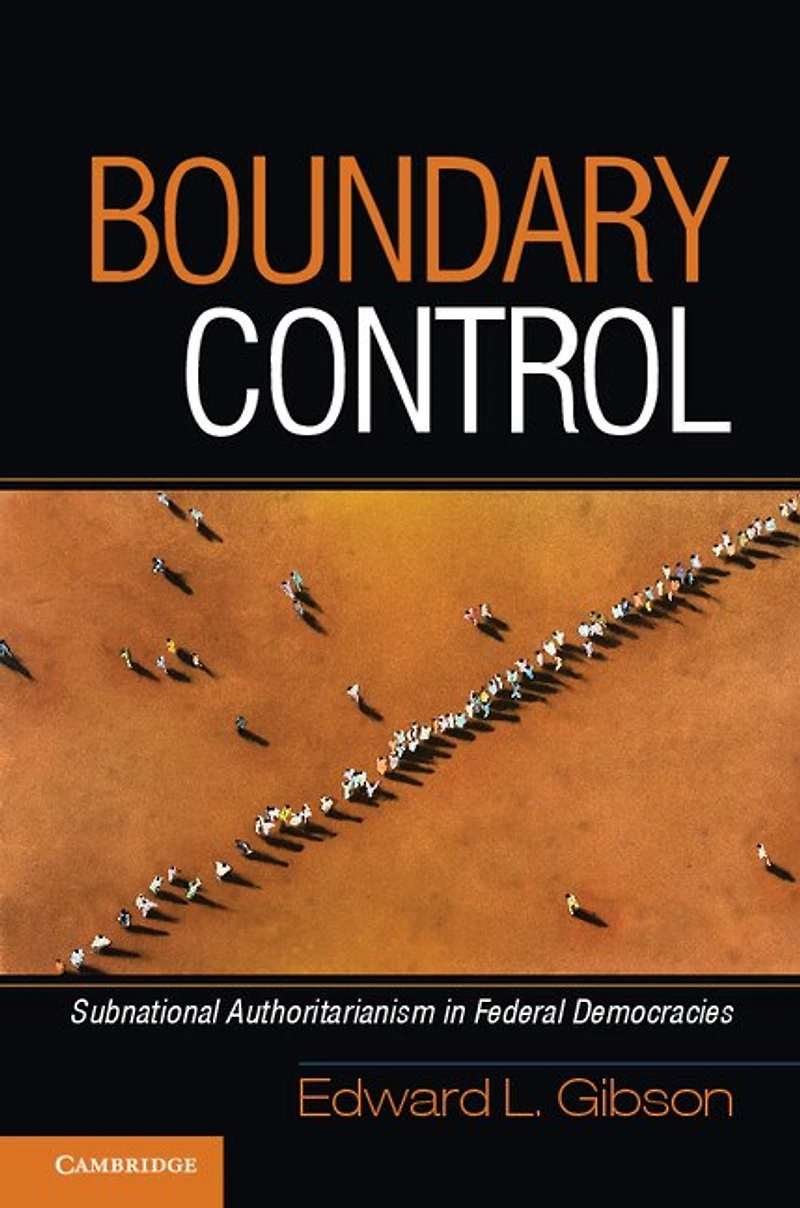
Boundary Control: Subnational Authoritarianism Federal Democracies in Ottawa, ON
Current price: $132.95

Boundary Control: Subnational Authoritarianism Federal Democracies in Ottawa, ON
Current price: $132.95
Loading Inventory...
Size: Hardcover
*Product information may vary - to confirm product availability, pricing, shipping and return information please contact Coles
The democratization of a national government is only a first step in the diffusion of democracy throughout a country's territory. Even after a national government is democratized, subnational authoritarian “enclaves” often continue to deny rights to citizens of local jurisdictions. Edward L. Gibson offers new theoretical perspectives for the study of democratization in his exploration of this phenomenon. His theory of “boundary control” captures the conflict pattern between incumbents and oppositions when a national democratic government exists alongside authoritarian provinces (or “states”). He also reveals how federalism and the territorial organization of countries shape how subnational authoritarian regimes are built and how they unravel. Through a novel comparison of the late nineteenth-century American “Solid South” with contemporary experiences in Argentina and Mexico, Gibson reveals that the mechanisms of boundary control are reproduced across countries and historical periods. As long as subnational authoritarian governments coexist with national democratic governments, boundary control will be at play.
The democratization of a national government is only a first step in the diffusion of democracy throughout a country's territory. Even after a national government is democratized, subnational authoritarian “enclaves” often continue to deny rights to citizens of local jurisdictions. Edward L. Gibson offers new theoretical perspectives for the study of democratization in his exploration of this phenomenon. His theory of “boundary control” captures the conflict pattern between incumbents and oppositions when a national democratic government exists alongside authoritarian provinces (or “states”). He also reveals how federalism and the territorial organization of countries shape how subnational authoritarian regimes are built and how they unravel. Through a novel comparison of the late nineteenth-century American “Solid South” with contemporary experiences in Argentina and Mexico, Gibson reveals that the mechanisms of boundary control are reproduced across countries and historical periods. As long as subnational authoritarian governments coexist with national democratic governments, boundary control will be at play.
You May Also Like











More About Coles at Bayshore Shopping Centre
Coles is renowned for its outstanding customer service and great selection of books. Along with the vast array of magazines, stationary, audio-books, children's literature, fiction, non-fiction and reference books, you can find accessories to make your reading experience more pleasurable. We can recommend the very best in reading today. We will help you search our titles for exactly what you need, and if we do not have it in stock, we will order it for you.
100 Bayshore Dr, Nepean, ON K2B 8C1, Canada
Find Coles at Bayshore Shopping Centre in Ottawa, ON
Visit Coles at Bayshore Shopping Centre in Ottawa, ON