

Give the Gift of Choice!
Too many options? Treat your friends and family to their favourite stores with a Bayshore Shopping Centre gift card, redeemable at participating retailers throughout the centre. Click below to purchase yours today!Purchase HereHome
Brain Computer Interfaces and Emotional Involvement: Theory, Research, and Applications
Coles
Loading Inventory...
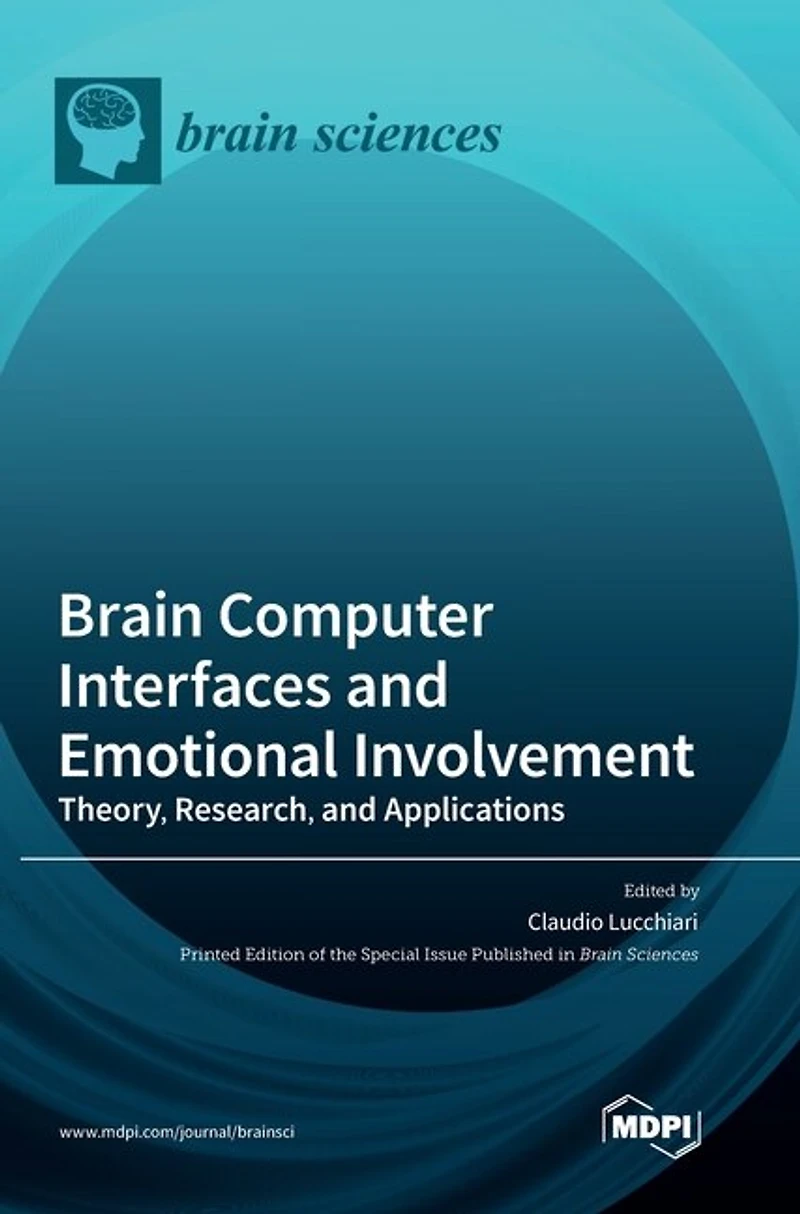
Brain Computer Interfaces and Emotional Involvement: Theory, Research, and Applications in Ottawa, ON
Current price: $86.38

Brain Computer Interfaces and Emotional Involvement: Theory, Research, and Applications in Ottawa, ON
Current price: $86.38
Loading Inventory...
Size: Hardcover
*Product information may vary - to confirm product availability, pricing, shipping and return information please contact Coles
This reprint is dedicated to the study of brain activity related to emotional and attentional involvement as measured by Brain-computer interface (BCI) systems designed for different purposes. A BCI system can translate brain signals (e.g., electric or hemodynamic brain activity indicators) into a command to execute an action in the BCI application (e.g., a wheelchair, the cursor on the screen, a spelling device or a game). These tools have the advantage of having real-time access to the ongoing brain activity of the individual, which can provide insight into the user's emotional and attentional states by training a classification algorithm to recognize mental states. The success of BCI systems in contemporary neuroscientific research relies on the fact that they allow one to "think outside the lab". The integration of technological solutions, artificial intelligence and cognitive science allowed and will allow researchers to envision more and more applications for the future. The clinical and everyday uses are described with the aim to invite readers to open their minds to imagine potential further developments.
This reprint is dedicated to the study of brain activity related to emotional and attentional involvement as measured by Brain-computer interface (BCI) systems designed for different purposes. A BCI system can translate brain signals (e.g., electric or hemodynamic brain activity indicators) into a command to execute an action in the BCI application (e.g., a wheelchair, the cursor on the screen, a spelling device or a game). These tools have the advantage of having real-time access to the ongoing brain activity of the individual, which can provide insight into the user's emotional and attentional states by training a classification algorithm to recognize mental states. The success of BCI systems in contemporary neuroscientific research relies on the fact that they allow one to "think outside the lab". The integration of technological solutions, artificial intelligence and cognitive science allowed and will allow researchers to envision more and more applications for the future. The clinical and everyday uses are described with the aim to invite readers to open their minds to imagine potential further developments.
You May Also Like













More About Coles at Bayshore Shopping Centre
Coles is renowned for its outstanding customer service and great selection of books. Along with the vast array of magazines, stationary, audio-books, children's literature, fiction, non-fiction and reference books, you can find accessories to make your reading experience more pleasurable. We can recommend the very best in reading today. We will help you search our titles for exactly what you need, and if we do not have it in stock, we will order it for you.
100 Bayshore Dr, Nepean, ON K2B 8C1, Canada
Find Coles at Bayshore Shopping Centre in Ottawa, ON
Visit Coles at Bayshore Shopping Centre in Ottawa, ON