

Give the Gift of Choice!
Too many options? Treat your friends and family to their favourite stores with a Bayshore Shopping Centre gift card, redeemable at participating retailers throughout the centre. Click below to purchase yours today!Purchase HereHome
Brazil and the Struggle for Rubber: A Study Environmental History
Coles
Loading Inventory...
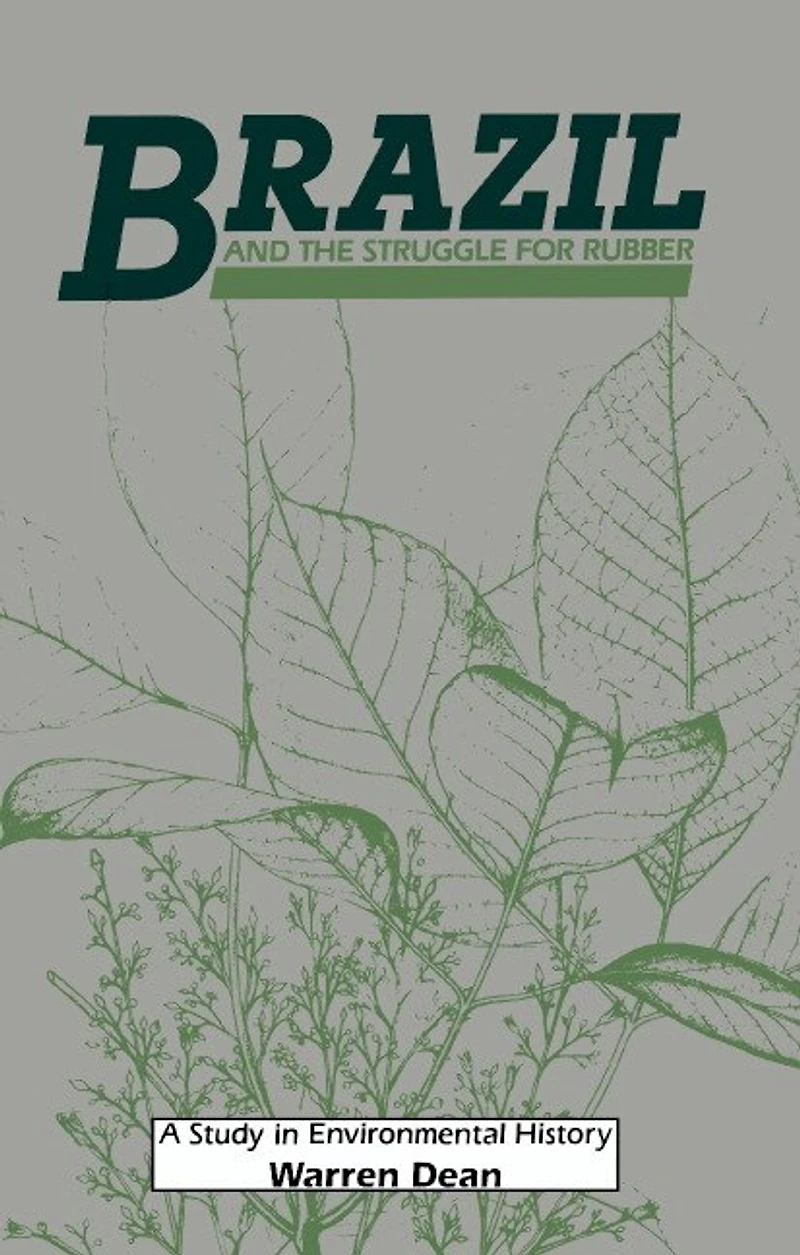
Brazil and the Struggle for Rubber: A Study Environmental History in Ottawa, ON
Current price: $152.95

Brazil and the Struggle for Rubber: A Study Environmental History in Ottawa, ON
Current price: $152.95
Loading Inventory...
Size: Hardcover
*Product information may vary - to confirm product availability, pricing, shipping and return information please contact Coles
Brazil once enjoyed a near monopoly in rubber when that commodity was gathered in the wild. By 1913, however, cultivated rubber from Southeast Asia swept the Brazilian gathered product from the market. In this innovative study, Warren Dean demonstrates that environmental factors have played a key role in the many failed attempts to once again produce a significant rubber crop in Brazil. Dean traces the numerous attempts to plant rubber in Brazil, including the ill-fated Ford estates, and others established by the major multinational tire companies. He also analyzes the struggles of the Brazilian government to foster rubber development, in the hope of obtaining a domestic source of supply for national industries that are now dependent on imports from Southeast Asia.
Brazil once enjoyed a near monopoly in rubber when that commodity was gathered in the wild. By 1913, however, cultivated rubber from Southeast Asia swept the Brazilian gathered product from the market. In this innovative study, Warren Dean demonstrates that environmental factors have played a key role in the many failed attempts to once again produce a significant rubber crop in Brazil. Dean traces the numerous attempts to plant rubber in Brazil, including the ill-fated Ford estates, and others established by the major multinational tire companies. He also analyzes the struggles of the Brazilian government to foster rubber development, in the hope of obtaining a domestic source of supply for national industries that are now dependent on imports from Southeast Asia.
You May Also Like








More About Coles at Bayshore Shopping Centre
Coles is renowned for its outstanding customer service and great selection of books. Along with the vast array of magazines, stationary, audio-books, children's literature, fiction, non-fiction and reference books, you can find accessories to make your reading experience more pleasurable. We can recommend the very best in reading today. We will help you search our titles for exactly what you need, and if we do not have it in stock, we will order it for you.
100 Bayshore Dr, Nepean, ON K2B 8C1, Canada
Find Coles at Bayshore Shopping Centre in Ottawa, ON
Visit Coles at Bayshore Shopping Centre in Ottawa, ON