

Give the Gift of Choice!
Too many options? Treat your friends and family to their favourite stores with a Bayshore Shopping Centre gift card, redeemable at participating retailers throughout the centre. Click below to purchase yours today!Purchase HereHome
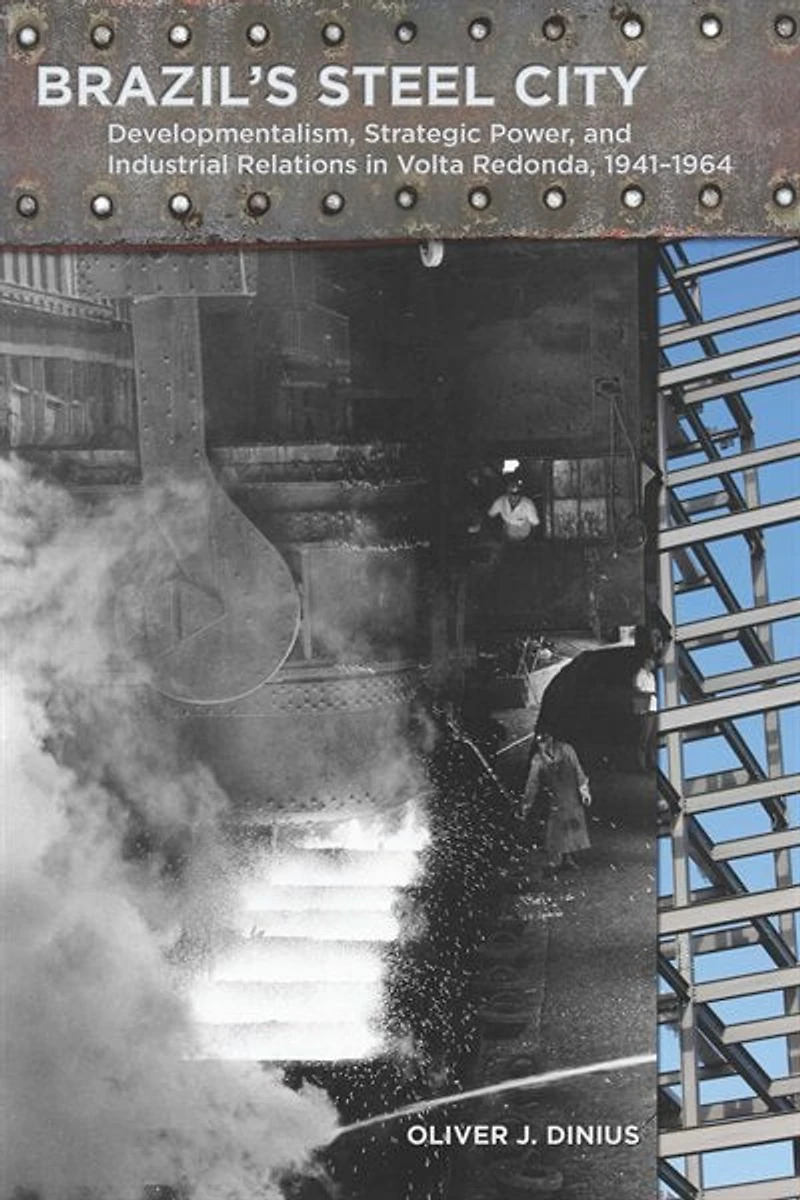
Brazil's Steel City: Developmentalism, Strategic Power, and Industrial Relations Volta Redonda, 1941-1964
Coles
Loading Inventory...
Brazil's Steel City: Developmentalism, Strategic Power, and Industrial Relations Volta Redonda, 1941-1964 in Ottawa, ON
Current price: $110.99

Brazil's Steel City: Developmentalism, Strategic Power, and Industrial Relations Volta Redonda, 1941-1964 in Ottawa, ON
Current price: $110.99
Loading Inventory...
Size: Hardcover
*Product information may vary - to confirm product availability, pricing, shipping and return information please contact Coles
Brazil's Steel City presents a social history of the National Steel Company (CSN), Brazil's foremost state-owned company and largest industrial enterprise in the mid-twentieth century. It focuses on the role the steelworkers played in Brazil's social and economic development under the country's import substitution policies from the early 1940s to the 1964 military coup.
Counter to prevalent interpretations of industrial labor in Latin America, where workers figure above all as victims of capitalist exploitation, Dinius shows that CSN workers held strategic power and used it to reshape the company's labor regime, extracting impressive wage gains and benefits. Dinius argues that these workers, and their peers in similarly strategic industries, had the power to undermine the state capitalist development model prevalent in the large economies of postwar Latin America.
Brazil's Steel City presents a social history of the National Steel Company (CSN), Brazil's foremost state-owned company and largest industrial enterprise in the mid-twentieth century. It focuses on the role the steelworkers played in Brazil's social and economic development under the country's import substitution policies from the early 1940s to the 1964 military coup.
Counter to prevalent interpretations of industrial labor in Latin America, where workers figure above all as victims of capitalist exploitation, Dinius shows that CSN workers held strategic power and used it to reshape the company's labor regime, extracting impressive wage gains and benefits. Dinius argues that these workers, and their peers in similarly strategic industries, had the power to undermine the state capitalist development model prevalent in the large economies of postwar Latin America.
You May Also Like















More About Coles at Bayshore Shopping Centre
Coles is renowned for its outstanding customer service and great selection of books. Along with the vast array of magazines, stationary, audio-books, children's literature, fiction, non-fiction and reference books, you can find accessories to make your reading experience more pleasurable. We can recommend the very best in reading today. We will help you search our titles for exactly what you need, and if we do not have it in stock, we will order it for you.
100 Bayshore Dr, Nepean, ON K2B 8C1, Canada
Find Coles at Bayshore Shopping Centre in Ottawa, ON
Visit Coles at Bayshore Shopping Centre in Ottawa, ON