

Give the Gift of Choice!
Too many options? Treat your friends and family to their favourite stores with a Bayshore Shopping Centre gift card, redeemable at participating retailers throughout the centre. Click below to purchase yours today!Purchase HereHome
Breaking Free of Neoliberalism: Canada's Challenge: What it will take to deal with American decline, inequality and the climate crisis
Coles
Loading Inventory...

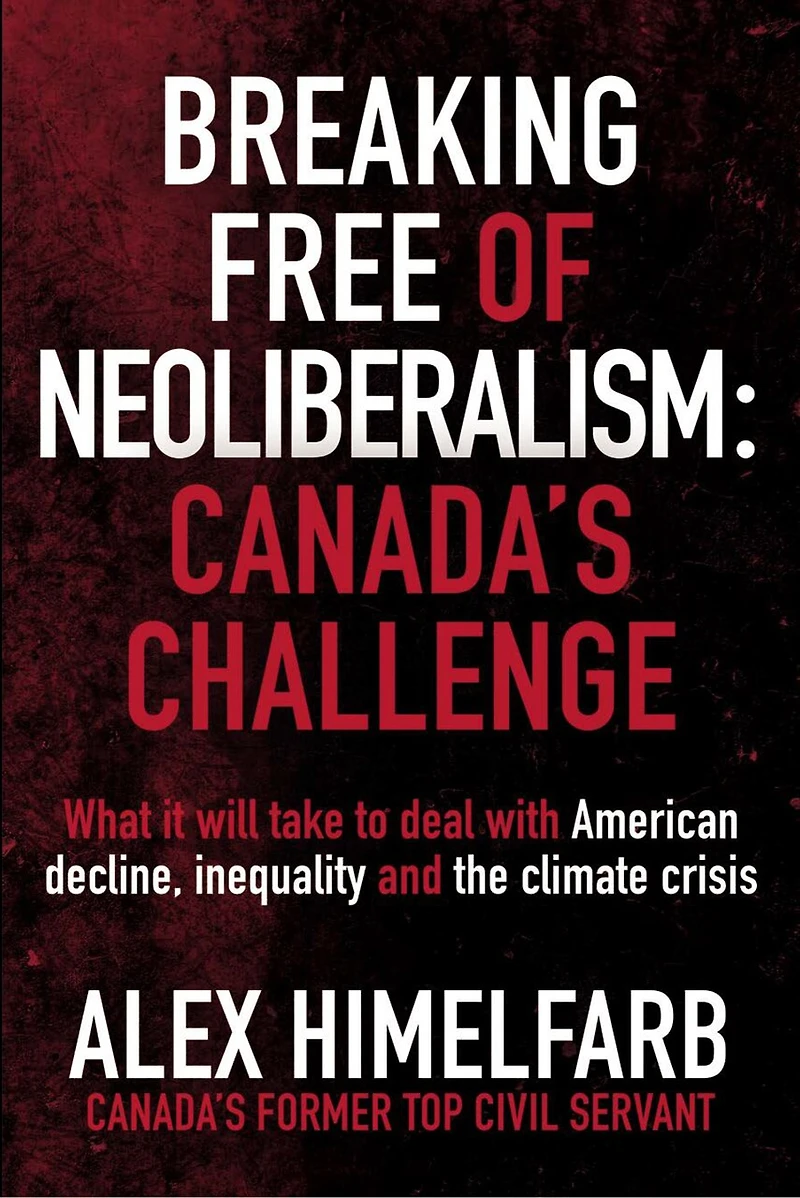
Breaking Free of Neoliberalism: Canada's Challenge: What it will take to deal with American decline, inequality and the climate crisis in Ottawa, ON
Current price: $16.99

Breaking Free of Neoliberalism: Canada's Challenge: What it will take to deal with American decline, inequality and the climate crisis in Ottawa, ON
Current price: $16.99
Loading Inventory...
Size: Kobo eBook
*Product information may vary - to confirm product availability, pricing, shipping and return information please contact Coles
Neoliberalism – free market capitalism and the view that “freedom” is society’s highest value – has become embedded in the fabric of Canadian government and society.
Neoliberal theorists, marginalized for decades after the Second World War, saw their ideas embraced by Margaret Thatcher and Ronald Reagan, who implemented their policies in the 1980s and 90s. Neoliberalism arrived in Ottawa with the Mulroney government in 1984, and has continued as widely accepted common sense about government until today.
Neoliberalism’s basic tenets – reduce public services in favour of privatization, cut taxes to benefit business, demonize government deficits, limit government regulation and enable corporations to self-regulate – continue to be promoted by its corporate champions and think tank advocates.
Yet the experiences of the last decade in Canada and internationally have demonstrated the emptiness of neoliberalism and demonstrated the crucial role government plays in society. Challenges – from financial market crises to the COVID-19 pandemic and climate change – underscore how vital government action can be in our lives.
Alex Himelfarb offers proposals about how Canada can break free from this destructive set of ideas about how the world should work.
Neoliberalism – free market capitalism and the view that “freedom” is society’s highest value – has become embedded in the fabric of Canadian government and society.
Neoliberal theorists, marginalized for decades after the Second World War, saw their ideas embraced by Margaret Thatcher and Ronald Reagan, who implemented their policies in the 1980s and 90s. Neoliberalism arrived in Ottawa with the Mulroney government in 1984, and has continued as widely accepted common sense about government until today.
Neoliberalism’s basic tenets – reduce public services in favour of privatization, cut taxes to benefit business, demonize government deficits, limit government regulation and enable corporations to self-regulate – continue to be promoted by its corporate champions and think tank advocates.
Yet the experiences of the last decade in Canada and internationally have demonstrated the emptiness of neoliberalism and demonstrated the crucial role government plays in society. Challenges – from financial market crises to the COVID-19 pandemic and climate change – underscore how vital government action can be in our lives.
Alex Himelfarb offers proposals about how Canada can break free from this destructive set of ideas about how the world should work.
You May Also Like













More About Coles at Bayshore Shopping Centre
Coles is renowned for its outstanding customer service and great selection of books. Along with the vast array of magazines, stationary, audio-books, children's literature, fiction, non-fiction and reference books, you can find accessories to make your reading experience more pleasurable. We can recommend the very best in reading today. We will help you search our titles for exactly what you need, and if we do not have it in stock, we will order it for you.
100 Bayshore Dr, Nepean, ON K2B 8C1, Canada
Find Coles at Bayshore Shopping Centre in Ottawa, ON
Visit Coles at Bayshore Shopping Centre in Ottawa, ON