

Give the Gift of Choice!
Too many options? Treat your friends and family to their favourite stores with a Bayshore Shopping Centre gift card, redeemable at participating retailers throughout the centre. Click below to purchase yours today!Purchase HereHome
Breaking the Surface: An Art/Archaeology of Prehistoric Architecture
Coles
Loading Inventory...
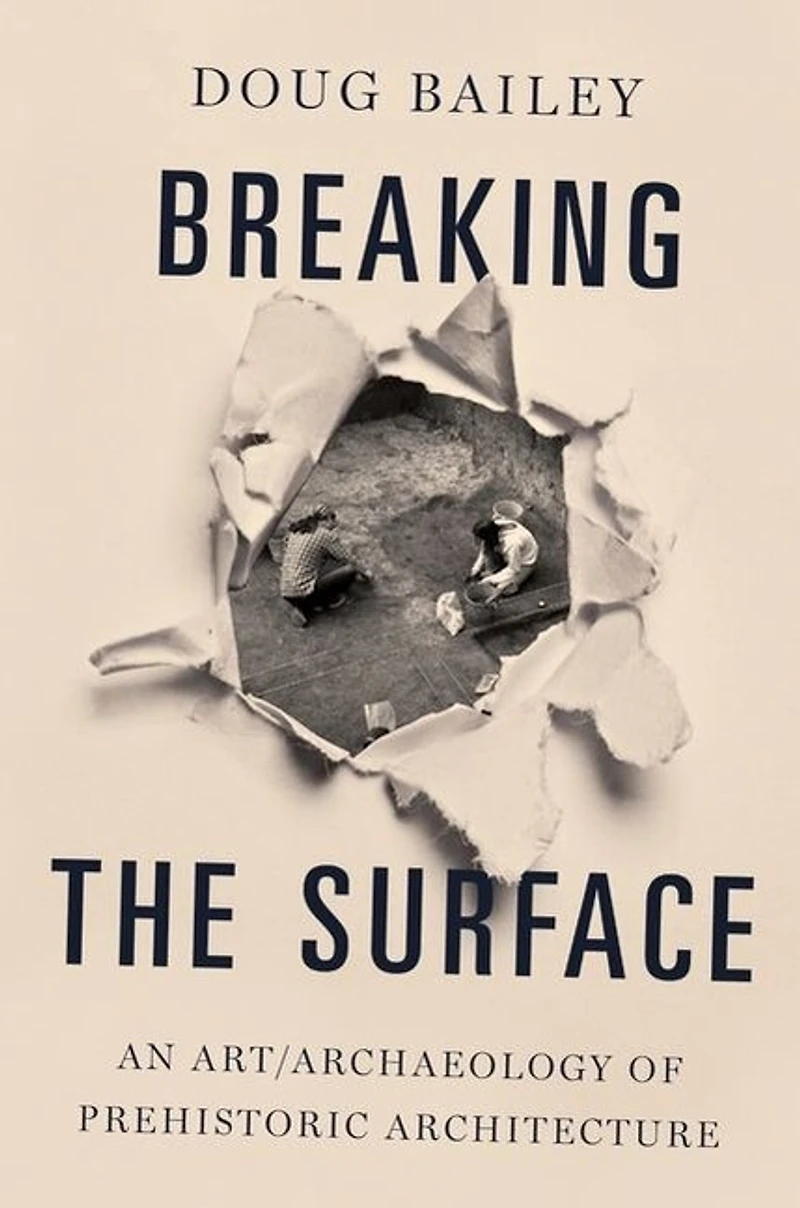
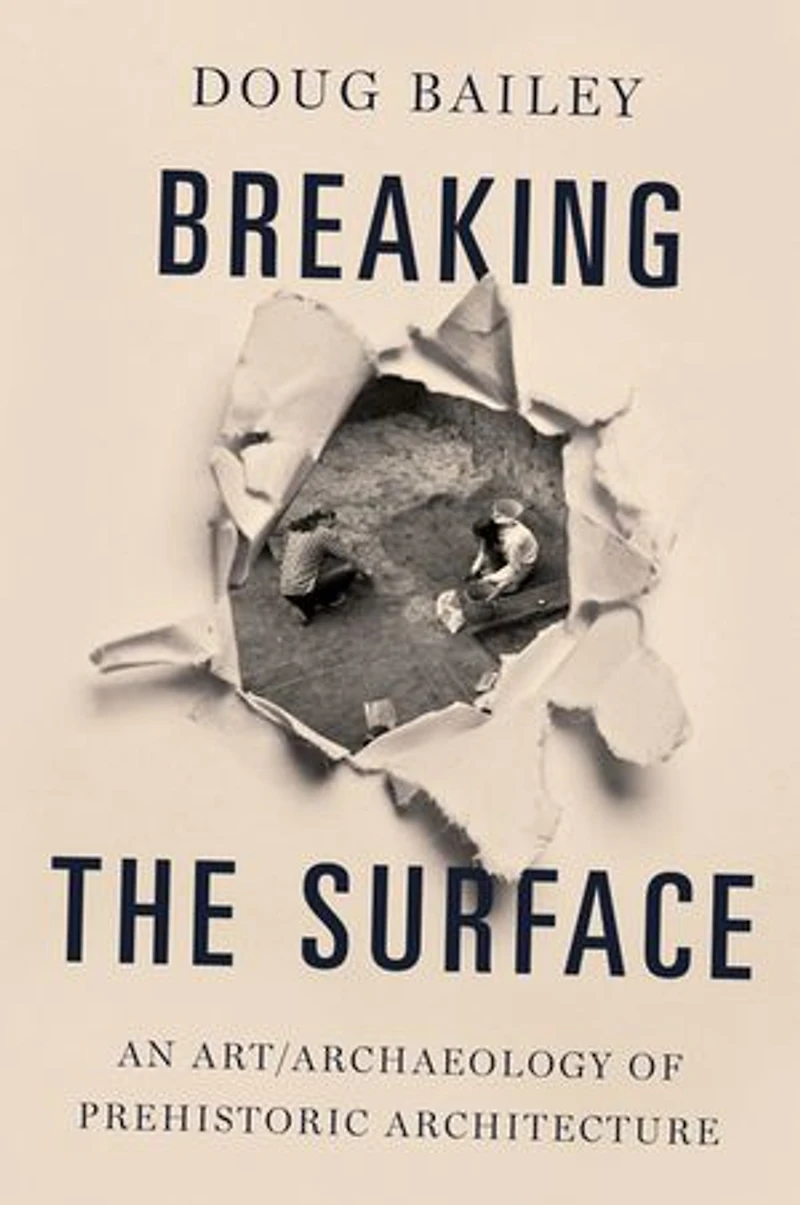
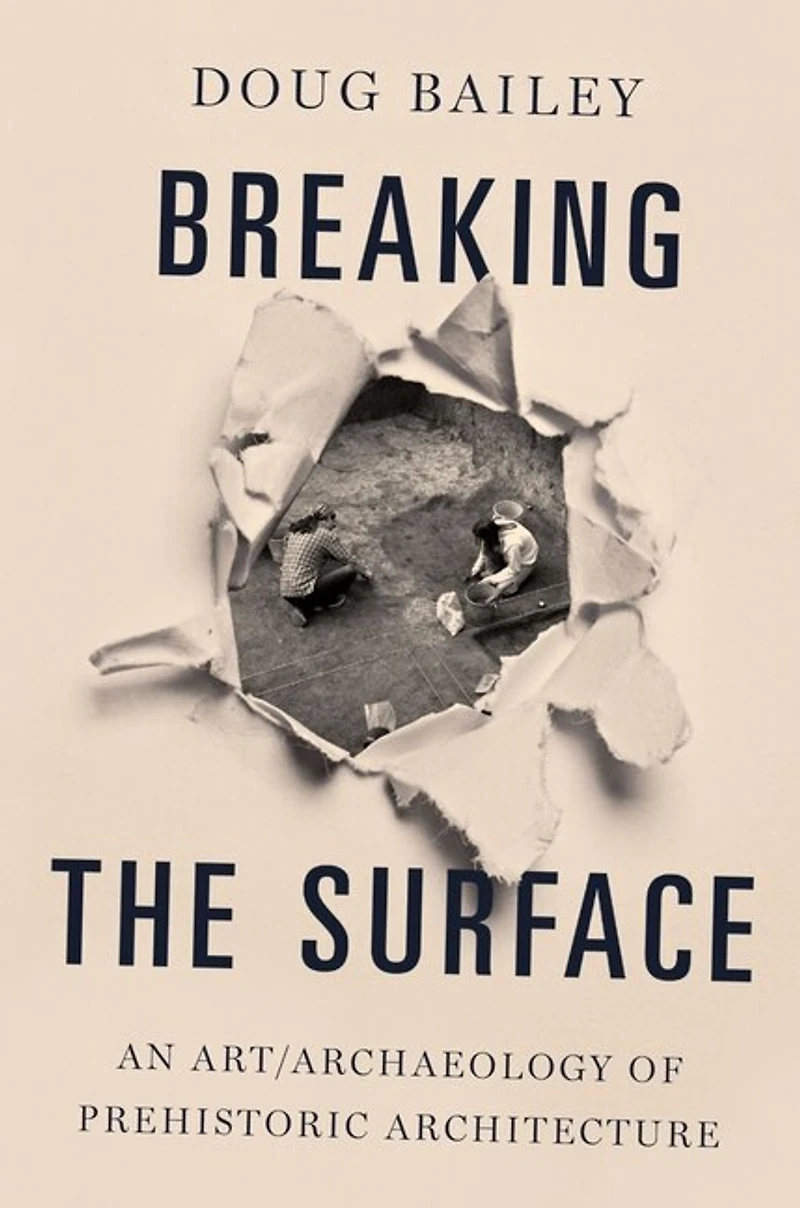
Breaking the Surface: An Art/Archaeology of Prehistoric Architecture in Ottawa, ON
Current price: $109.00

Breaking the Surface: An Art/Archaeology of Prehistoric Architecture in Ottawa, ON
Current price: $109.00
Loading Inventory...
Size: Hardcover
*Product information may vary - to confirm product availability, pricing, shipping and return information please contact Coles
In Breaking the Surface, Doug Bailey offers a radical alternative for understanding Neolithic houses, providing much-needed insight not just into prehistoric practice, but into another way of doing archaeology. Using his years of fieldwork experience excavating the early Neolithic pit-houses of southeastern Europe, Bailey exposes and elucidates a previously under-theorized aspect of prehistoric pit construction: the actions and consequences of digging defined as breaking the surface of the ground. Breaking the Surface works through the consequences this redefinition in order to redirect scholarship on the excavation and interpretation of pit-houses in Neolithic Europe, offering detailed critiques of current interpretations of these earliest European architectural constructions.
The work of the book is performed by juxtaposing richly detailed discussions of archaeological sites (Etton and The Wilsford Shaft in the UK, and Mægura in Romania), with the work of three artists-who-cut (Ron Athey, Gordon Matta-Clark, Lucio Fontana), with deep and detailed examinations of the philosophy of holes, the perceptual psychology of shapes, and the linguistic anthropology of cutting and breaking words, as well as with cultural diversity in framing spatial reference and through an examination of pre-modern ungrounded ways of living. Breaking the Surface is as much a creative act on its own - in its mixture of work from disparate periods and regions, its use of radical text interruption, and its juxtaposition of text and imagery as it is an interpretive statement about prehistoric architecture. Unflinching and exhilarating, it is a major development in the growing subdiscipline of art/archaeology.
In Breaking the Surface, Doug Bailey offers a radical alternative for understanding Neolithic houses, providing much-needed insight not just into prehistoric practice, but into another way of doing archaeology. Using his years of fieldwork experience excavating the early Neolithic pit-houses of southeastern Europe, Bailey exposes and elucidates a previously under-theorized aspect of prehistoric pit construction: the actions and consequences of digging defined as breaking the surface of the ground. Breaking the Surface works through the consequences this redefinition in order to redirect scholarship on the excavation and interpretation of pit-houses in Neolithic Europe, offering detailed critiques of current interpretations of these earliest European architectural constructions.
The work of the book is performed by juxtaposing richly detailed discussions of archaeological sites (Etton and The Wilsford Shaft in the UK, and Mægura in Romania), with the work of three artists-who-cut (Ron Athey, Gordon Matta-Clark, Lucio Fontana), with deep and detailed examinations of the philosophy of holes, the perceptual psychology of shapes, and the linguistic anthropology of cutting and breaking words, as well as with cultural diversity in framing spatial reference and through an examination of pre-modern ungrounded ways of living. Breaking the Surface is as much a creative act on its own - in its mixture of work from disparate periods and regions, its use of radical text interruption, and its juxtaposition of text and imagery as it is an interpretive statement about prehistoric architecture. Unflinching and exhilarating, it is a major development in the growing subdiscipline of art/archaeology.
You May Also Like








More About Coles at Bayshore Shopping Centre
Coles is renowned for its outstanding customer service and great selection of books. Along with the vast array of magazines, stationary, audio-books, children's literature, fiction, non-fiction and reference books, you can find accessories to make your reading experience more pleasurable. We can recommend the very best in reading today. We will help you search our titles for exactly what you need, and if we do not have it in stock, we will order it for you.
100 Bayshore Dr, Nepean, ON K2B 8C1, Canada
Find Coles at Bayshore Shopping Centre in Ottawa, ON
Visit Coles at Bayshore Shopping Centre in Ottawa, ON