

Give the Gift of Choice!
Too many options? Treat your friends and family to their favourite stores with a Bayshore Shopping Centre gift card, redeemable at participating retailers throughout the centre. Click below to purchase yours today!Purchase HereHome
Breeze & Storm: Nomadic Culture and Tribal Politics Along the Silk Road
Coles
Loading Inventory...
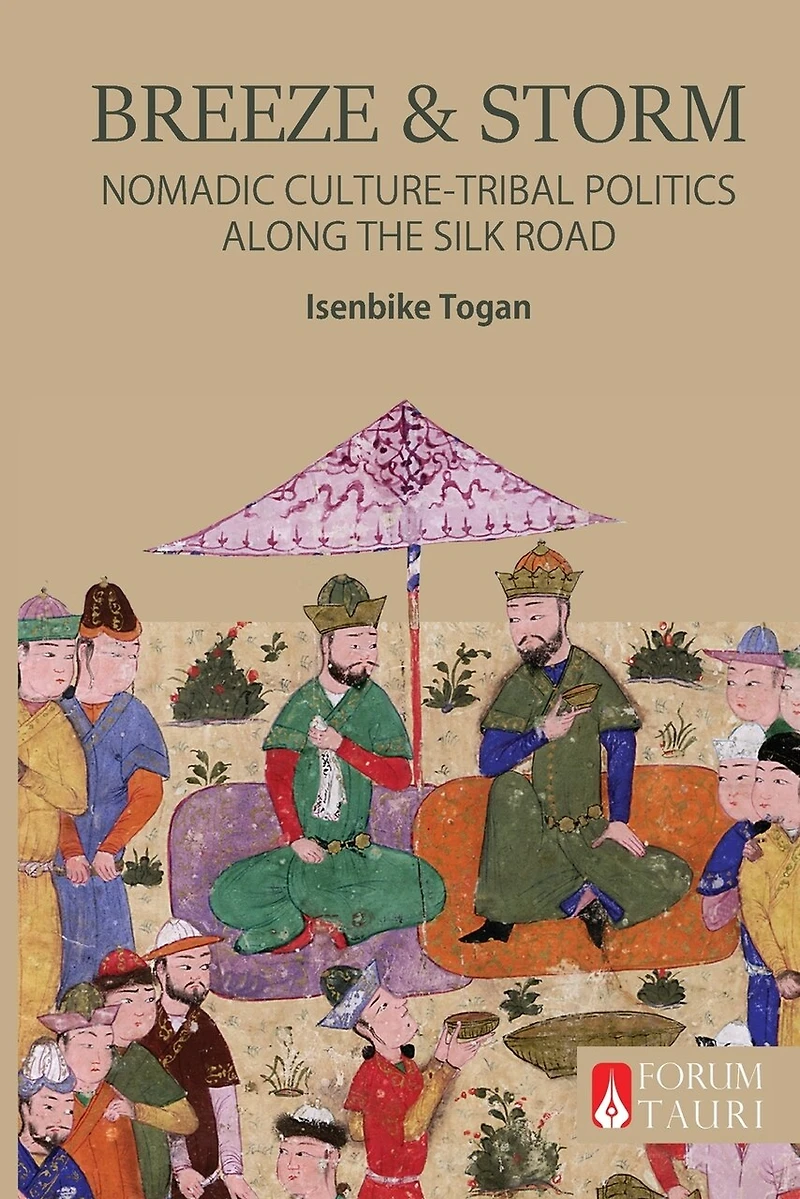
Breeze & Storm: Nomadic Culture and Tribal Politics Along the Silk Road in Ottawa, ON
Current price: $68.48

Breeze & Storm: Nomadic Culture and Tribal Politics Along the Silk Road in Ottawa, ON
Current price: $68.48
Loading Inventory...
Size: Paperback
*Product information may vary - to confirm product availability, pricing, shipping and return information please contact Coles
Nomadic people have been associated with storm rather than breeze in terms of their activities across Asia. The collection of essays in this volume however emphasizes both, but gives more space to breeze in terms of cultural interaction and mutual influence with sedentary societies. In general, cultural influence is perceived as coming from sedentary societies as a civilizing process and affecting nomads. Essays in this volume do not speak of a higher culture affecting a lower culture, but look at the nomads and the sedentary people as equals in terms of human interaction, cultural influences existing in political structures, trade, aesthetic patterns and oral literature. In addition, the stormy aspect is not focused on conquests, but on aspects of socio-political change within nomadic societies. A look not from the vantage point of an outsider, but more from the inside raises new questions as to gender roles within nomadic societies especially among the Mongols.
Nomadic people have been associated with storm rather than breeze in terms of their activities across Asia. The collection of essays in this volume however emphasizes both, but gives more space to breeze in terms of cultural interaction and mutual influence with sedentary societies. In general, cultural influence is perceived as coming from sedentary societies as a civilizing process and affecting nomads. Essays in this volume do not speak of a higher culture affecting a lower culture, but look at the nomads and the sedentary people as equals in terms of human interaction, cultural influences existing in political structures, trade, aesthetic patterns and oral literature. In addition, the stormy aspect is not focused on conquests, but on aspects of socio-political change within nomadic societies. A look not from the vantage point of an outsider, but more from the inside raises new questions as to gender roles within nomadic societies especially among the Mongols.
You May Also Like







More About Coles at Bayshore Shopping Centre
Coles is renowned for its outstanding customer service and great selection of books. Along with the vast array of magazines, stationary, audio-books, children's literature, fiction, non-fiction and reference books, you can find accessories to make your reading experience more pleasurable. We can recommend the very best in reading today. We will help you search our titles for exactly what you need, and if we do not have it in stock, we will order it for you.
100 Bayshore Dr, Nepean, ON K2B 8C1, Canada
Find Coles at Bayshore Shopping Centre in Ottawa, ON
Visit Coles at Bayshore Shopping Centre in Ottawa, ON