

Give the Gift of Choice!
Too many options? Treat your friends and family to their favourite stores with a Bayshore Shopping Centre gift card, redeemable at participating retailers throughout the centre. Click below to purchase yours today!Purchase HereHome
British Art for Australia, 1860-1953: the Acquisition of Artworks from United Kingdom by Australian National Galleri: Galleries
Coles
Loading Inventory...
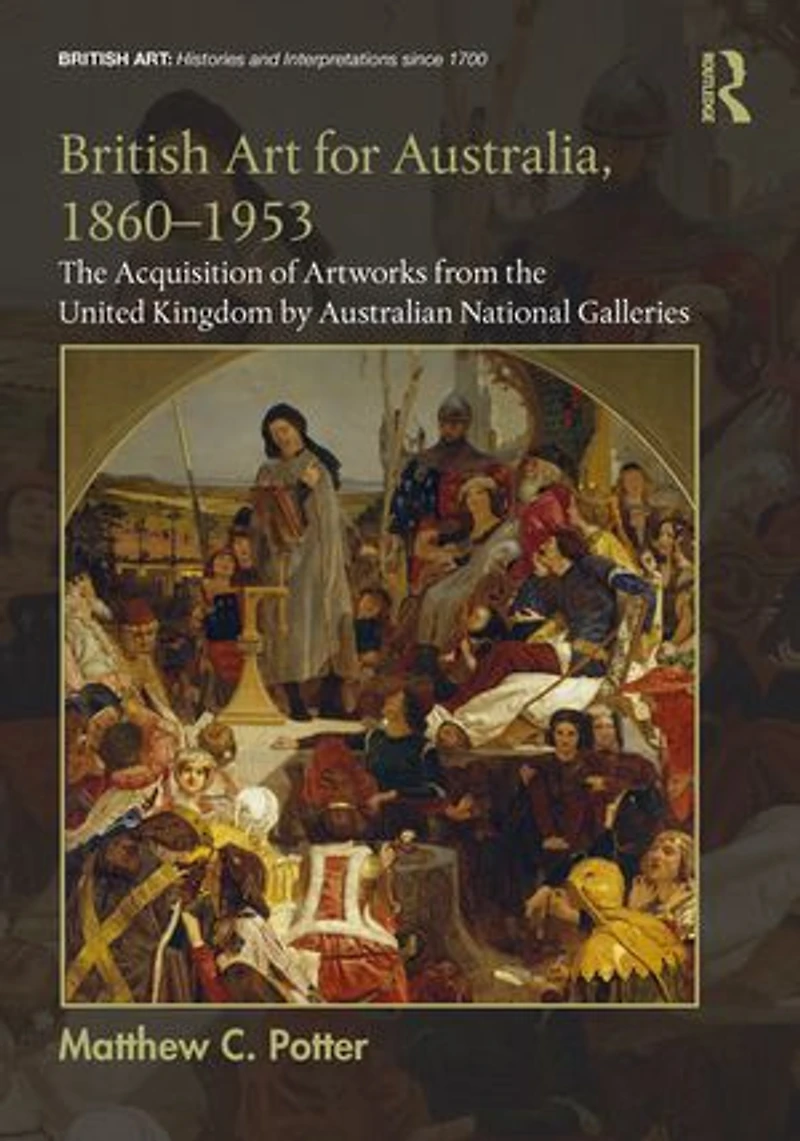
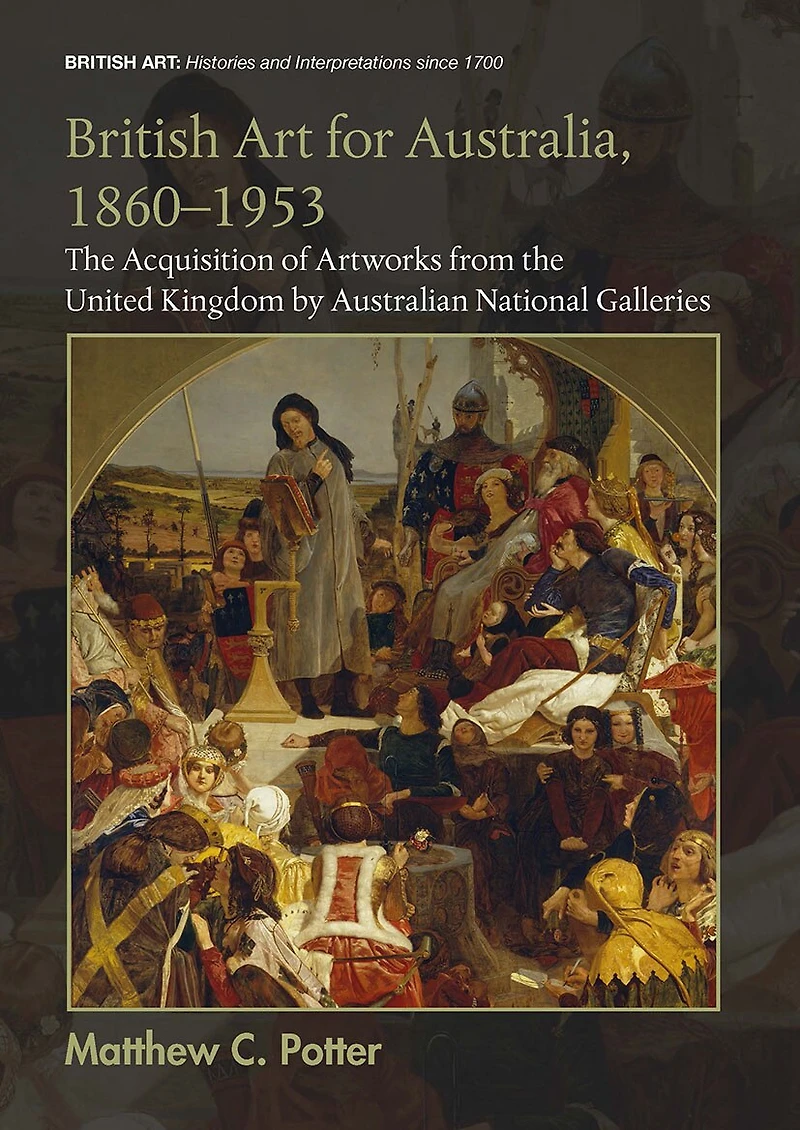
British Art for Australia, 1860-1953: the Acquisition of Artworks from United Kingdom by Australian National Galleri: Galleries in Ottawa, ON
Current price: $78.71

British Art for Australia, 1860-1953: the Acquisition of Artworks from United Kingdom by Australian National Galleri: Galleries in Ottawa, ON
Current price: $78.71
Loading Inventory...
Size: Kobo eBook
*Product information may vary - to confirm product availability, pricing, shipping and return information please contact Coles
Traditional postcolonial scholarship on art and imperialism emphasises tensions between colonising cores and subjugated peripheries. The ties between London and British white settler colonies have been comparatively neglected. Artworks not only reveal the controlling intentions of imperialist artists in their creation but also the uses to which they were put by others in their afterlives. In many cases they were used to fuel contests over cultural identity which expose a mixture of rifts and consensuses within the British ranks which were frequently assumed to be homogeneous. British Art for Australia, 1860-1953: The Acquisition of Artworks from the United Kingdom by Australian National Galleries represents the first systematic and comparative study of collecting British art in Australia between 1860 and 1953 using the archives of the Australian national galleries and other key Australian and UK institutions. Multiple audiences in the disciplines of art history, cultural history, and museology are addressed by analysing how Australians used British art to carve a distinct identity, which artworks were desirable, economically attainable, and why, and how the acquisition of British art fits into a broader cultural context of the British world.
It considers the often competing roles of the British Old Masters (e.g. Romney and Constable), Victorian (e.g. Madox Brown and Millais), and modern artists (e.g. Nash and Spencer) alongside political and economic factors, including the developing global art market, imperial commerce, Australian Federation, the First World War, and the coming of age of the Commonwealth.
Traditional postcolonial scholarship on art and imperialism emphasises tensions between colonising cores and subjugated peripheries. The ties between London and British white settler colonies have been comparatively neglected. Artworks not only reveal the controlling intentions of imperialist artists in their creation but also the uses to which they were put by others in their afterlives. In many cases they were used to fuel contests over cultural identity which expose a mixture of rifts and consensuses within the British ranks which were frequently assumed to be homogeneous. British Art for Australia, 1860-1953: The Acquisition of Artworks from the United Kingdom by Australian National Galleries represents the first systematic and comparative study of collecting British art in Australia between 1860 and 1953 using the archives of the Australian national galleries and other key Australian and UK institutions. Multiple audiences in the disciplines of art history, cultural history, and museology are addressed by analysing how Australians used British art to carve a distinct identity, which artworks were desirable, economically attainable, and why, and how the acquisition of British art fits into a broader cultural context of the British world.
It considers the often competing roles of the British Old Masters (e.g. Romney and Constable), Victorian (e.g. Madox Brown and Millais), and modern artists (e.g. Nash and Spencer) alongside political and economic factors, including the developing global art market, imperial commerce, Australian Federation, the First World War, and the coming of age of the Commonwealth.
You May Also Like












More About Coles at Bayshore Shopping Centre
Coles is renowned for its outstanding customer service and great selection of books. Along with the vast array of magazines, stationary, audio-books, children's literature, fiction, non-fiction and reference books, you can find accessories to make your reading experience more pleasurable. We can recommend the very best in reading today. We will help you search our titles for exactly what you need, and if we do not have it in stock, we will order it for you.
100 Bayshore Dr, Nepean, ON K2B 8C1, Canada
Find Coles at Bayshore Shopping Centre in Ottawa, ON
Visit Coles at Bayshore Shopping Centre in Ottawa, ON