

Give the Gift of Choice!
Too many options? Treat your friends and family to their favourite stores with a Bayshore Shopping Centre gift card, redeemable at participating retailers throughout the centre. Click below to purchase yours today!Purchase HereHome
British civic society at the end of empire: Decolonisation, globalisation, and international responsibility
Coles
Loading Inventory...
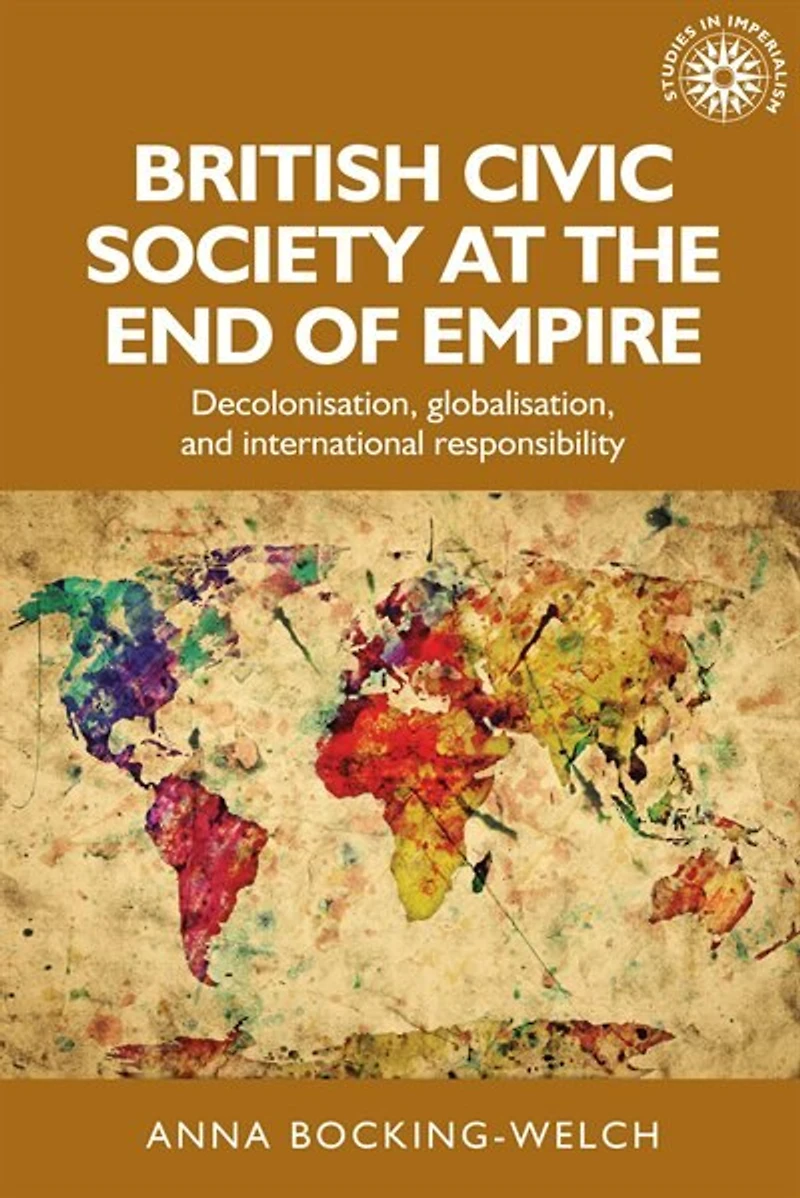
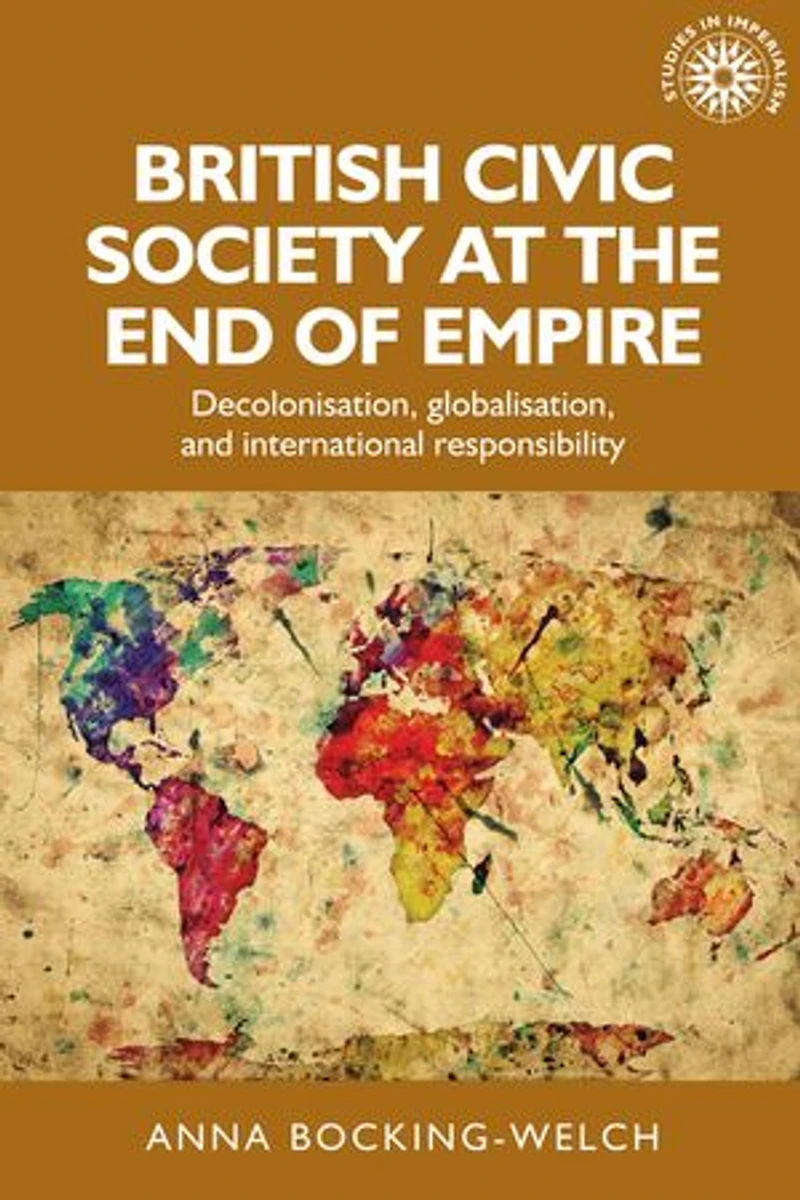
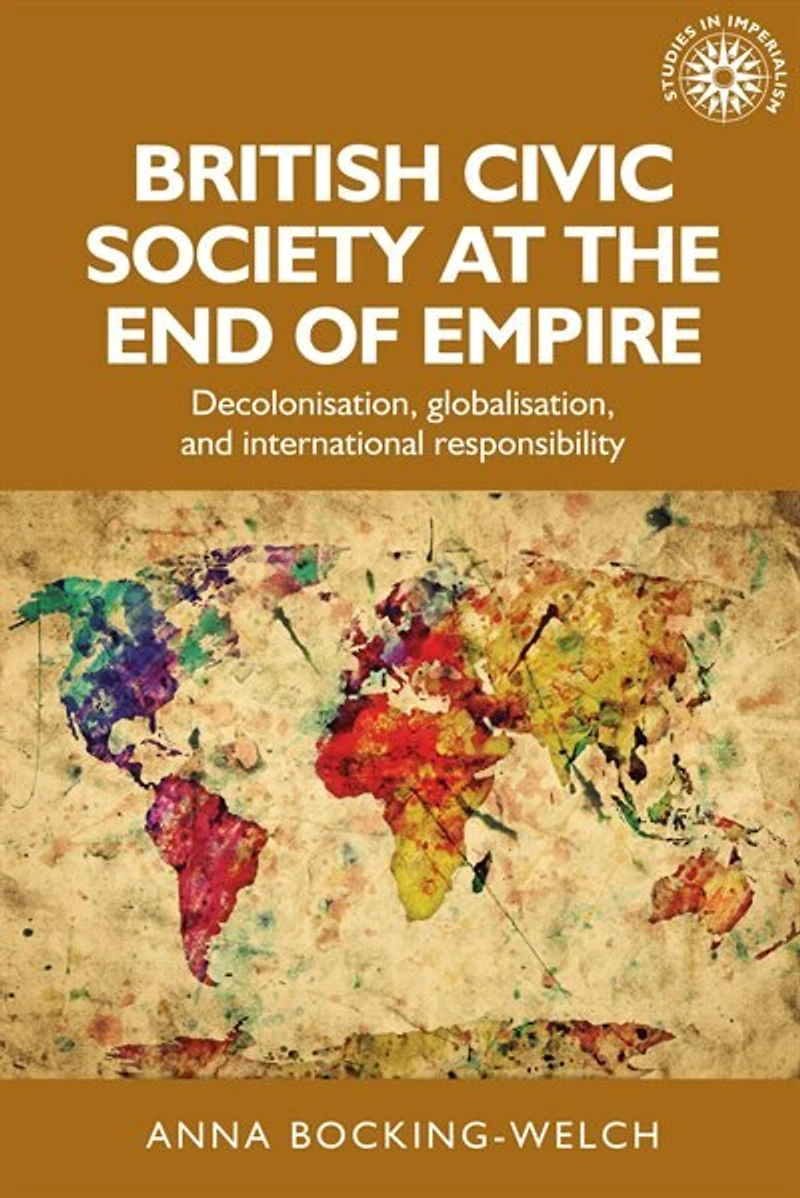
British civic society at the end of empire: Decolonisation, globalisation, and international responsibility in Ottawa, ON
Current price: $170.00

British civic society at the end of empire: Decolonisation, globalisation, and international responsibility in Ottawa, ON
Current price: $170.00
Loading Inventory...
Size: Hardcover
*Product information may vary - to confirm product availability, pricing, shipping and return information please contact Coles
This book is about the impact of decolonisation on British civic society in the 1960s. It shows how participants in middle class associational life developed optimistic visions for a post-imperial global role. Through the pursuit of international friendship, through educational efforts to know and understand the world, and through the provision of assistance to those in need, the British public imagined themselves as important actors on a global stage. As this book shows, the imperial past remained an important repository of skill, experience, and expertise in the 1960s, one that was called upon by a wide range of associations to justify their developing practices of international engagement. This book will be useful to scholars of modern British history, particularly those with interests in empire, internationalism, and civil society. The book is also designed to be accessible to undergraduates studying these areas.
This book is about the impact of decolonisation on British civic society in the 1960s. It shows how participants in middle class associational life developed optimistic visions for a post-imperial global role. Through the pursuit of international friendship, through educational efforts to know and understand the world, and through the provision of assistance to those in need, the British public imagined themselves as important actors on a global stage. As this book shows, the imperial past remained an important repository of skill, experience, and expertise in the 1960s, one that was called upon by a wide range of associations to justify their developing practices of international engagement. This book will be useful to scholars of modern British history, particularly those with interests in empire, internationalism, and civil society. The book is also designed to be accessible to undergraduates studying these areas.
You May Also Like












More About Coles at Bayshore Shopping Centre
Coles is renowned for its outstanding customer service and great selection of books. Along with the vast array of magazines, stationary, audio-books, children's literature, fiction, non-fiction and reference books, you can find accessories to make your reading experience more pleasurable. We can recommend the very best in reading today. We will help you search our titles for exactly what you need, and if we do not have it in stock, we will order it for you.
100 Bayshore Dr, Nepean, ON K2B 8C1, Canada
Find Coles at Bayshore Shopping Centre in Ottawa, ON
Visit Coles at Bayshore Shopping Centre in Ottawa, ON