

Give the Gift of Choice!
Too many options? Treat your friends and family to their favourite stores with a Bayshore Shopping Centre gift card, redeemable at participating retailers throughout the centre. Click below to purchase yours today!Purchase HereHome
British Livestock Lorries
Coles
Loading Inventory...
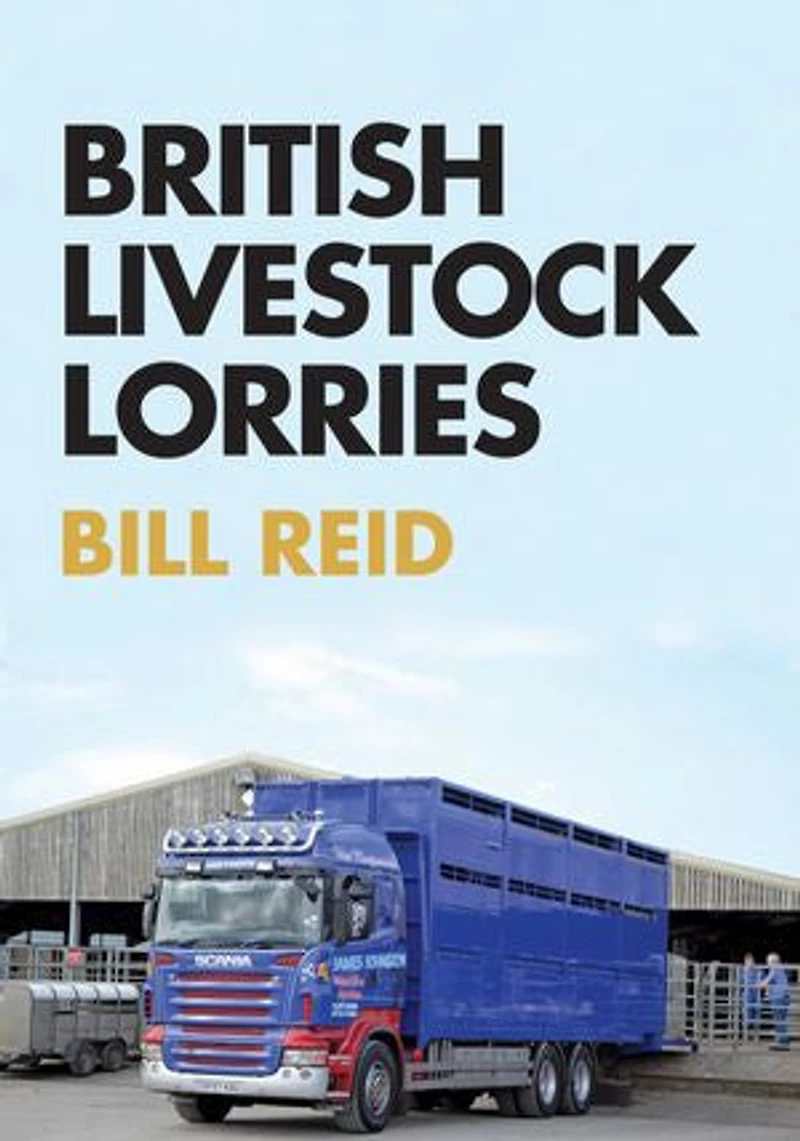
British Livestock Lorries in Ottawa, ON
Current price: $16.69
Original price: $20.80

British Livestock Lorries in Ottawa, ON
Current price: $16.69
Original price: $20.80
Loading Inventory...
Size: Kobo eBook
*Product information may vary - to confirm product availability, pricing, shipping and return information please contact Coles
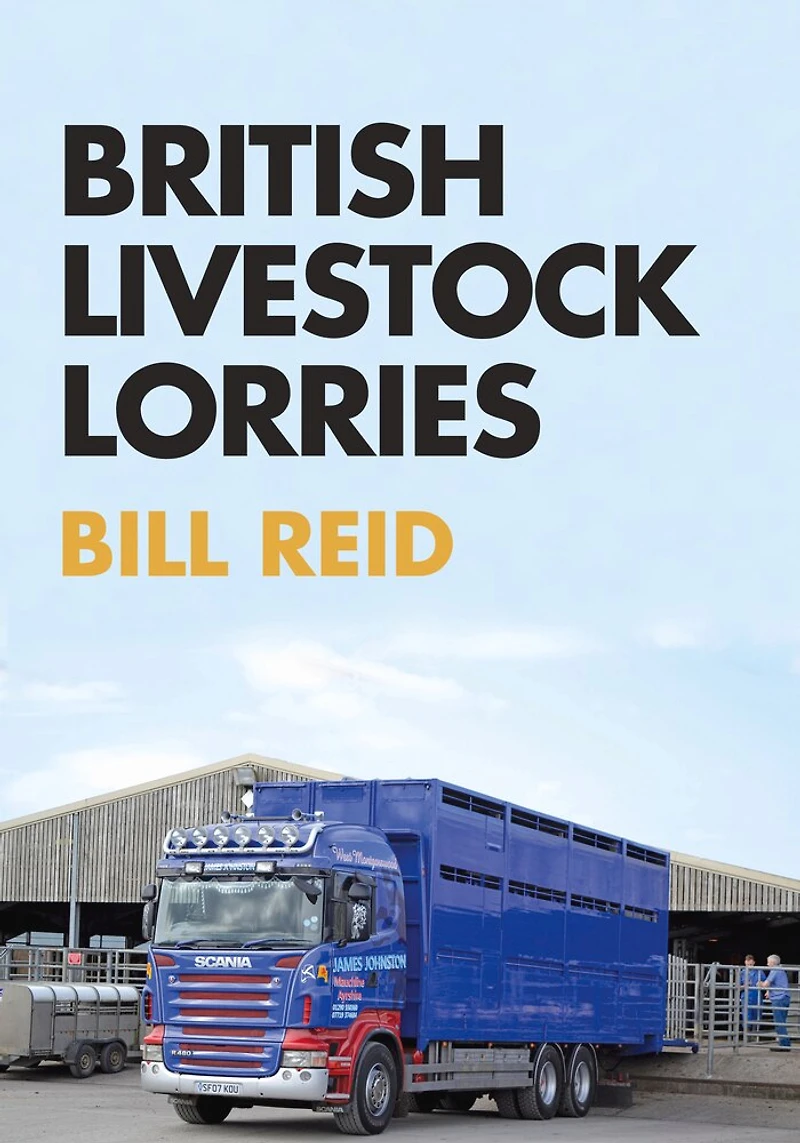
Long before motorised transport, movement of animals was by means of walking individual beasts, or by herding or droving. Much of the road system around Britain evolved from the routes taken by the drovers and their herds. With the coming of the railways, animals for market went by train. This type of traffic was a good income for the railways, with their mass or bulk transport facility.In the early twentieth century, livestock haulage was slow in starting, mainly because the lorries of the time were small and couldn’t compete with the railways. However, by the 1930s larger and stronger lorries were available and local livestock haulage became a viable proposition, eventually taking over from the railways entirely.Livestock road haulage was usually done with a basic platform lorry and a demountable livestock container. These could be anything from home-built to coachbuilt types by specialist builders. The onstruction was usually in hardwood, until the advent of steel and aluminium. In more recent times, much larger and more powerful vehicles have evolved to cater for animal welfare and driving time.With the diverse range of appearances and colour schemes seen on these vehicles over the years, Bill Reid’s terrific array of photographs will fascinate lorry enthusiasts and agriculture enthusiasts alike.
Long before motorised transport, movement of animals was by means of walking individual beasts, or by herding or droving. Much of the road system around Britain evolved from the routes taken by the drovers and their herds. With the coming of the railways, animals for market went by train. This type of traffic was a good income for the railways, with their mass or bulk transport facility.In the early twentieth century, livestock haulage was slow in starting, mainly because the lorries of the time were small and couldn’t compete with the railways. However, by the 1930s larger and stronger lorries were available and local livestock haulage became a viable proposition, eventually taking over from the railways entirely.Livestock road haulage was usually done with a basic platform lorry and a demountable livestock container. These could be anything from home-built to coachbuilt types by specialist builders. The onstruction was usually in hardwood, until the advent of steel and aluminium. In more recent times, much larger and more powerful vehicles have evolved to cater for animal welfare and driving time.With the diverse range of appearances and colour schemes seen on these vehicles over the years, Bill Reid’s terrific array of photographs will fascinate lorry enthusiasts and agriculture enthusiasts alike.
You May Also Like










More About Coles at Bayshore Shopping Centre
Coles is renowned for its outstanding customer service and great selection of books. Along with the vast array of magazines, stationary, audio-books, children's literature, fiction, non-fiction and reference books, you can find accessories to make your reading experience more pleasurable. We can recommend the very best in reading today. We will help you search our titles for exactly what you need, and if we do not have it in stock, we will order it for you.
100 Bayshore Dr, Nepean, ON K2B 8C1, Canada
Find Coles at Bayshore Shopping Centre in Ottawa, ON
Visit Coles at Bayshore Shopping Centre in Ottawa, ON