

Give the Gift of Choice!
Too many options? Treat your friends and family to their favourite stores with a Bayshore Shopping Centre gift card, redeemable at participating retailers throughout the centre. Click below to purchase yours today!Purchase HereHome
British Military Service Tribunals, 1916–18: 'A very much abused body of men'
Coles
Loading Inventory...
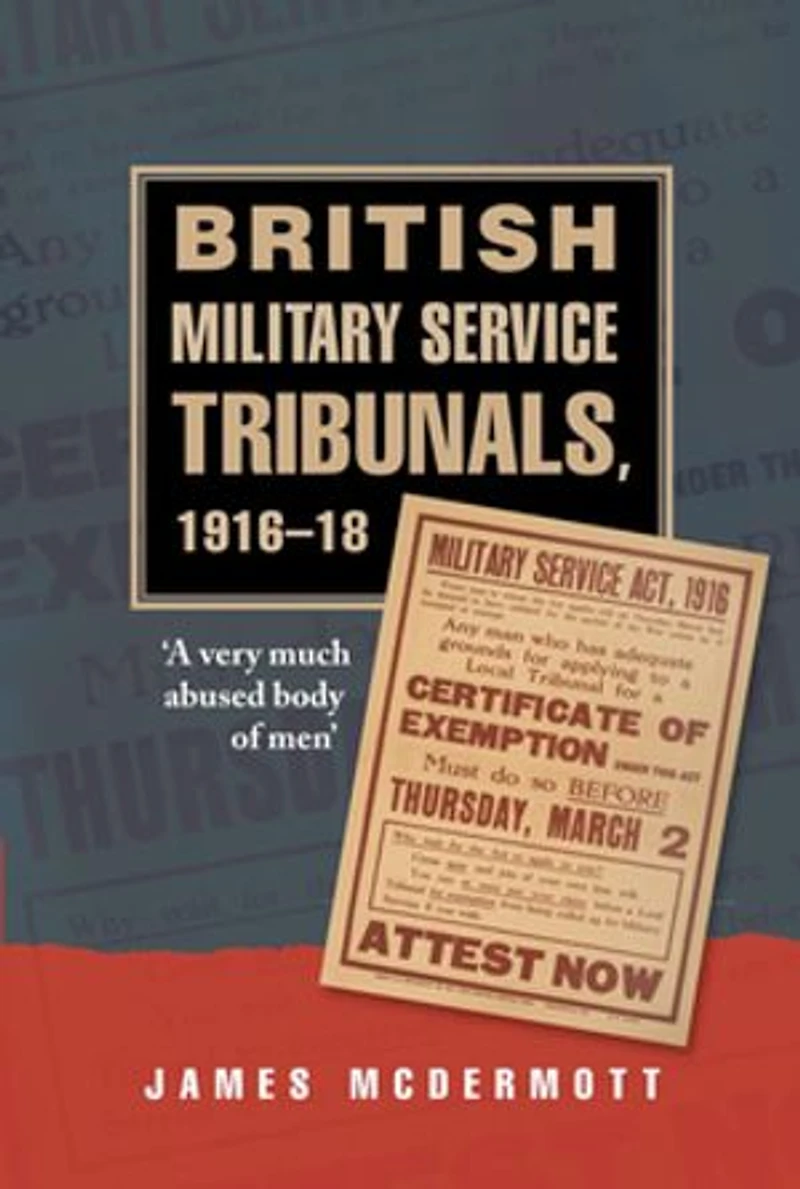
British Military Service Tribunals, 1916–18: 'A very much abused body of men' in Ottawa, ON
Current price: $141.19
Original price: $176.44

British Military Service Tribunals, 1916–18: 'A very much abused body of men' in Ottawa, ON
Current price: $141.19
Original price: $176.44
Loading Inventory...
Size: Kobo eBook
*Product information may vary - to confirm product availability, pricing, shipping and return information please contact Coles
Military Service Tribunals were formed following the introduction of conscription in January 1916, to consider applications for exemption from military service. Swiftly, they gained two opposing yet equally unflattering reputations. In the eyes of the military, they were soft, obstructionist ‘old duffers’. To most of the men who came before them, they were the unfeeling civilian arm of a remorseless grinding machine. This work, utilising a rare surviving set of Tribunal records, challenges both perspectives. Wielding unprecedented power yet acutely sensitive to the contradictions inherent in their task, the Tribunals were obliged, often at a conveyer belt’s pace, to make decisions that often determined the fate of men. That some of these decisions were capricious or even wrong is indisputable; the sparse historiography of the Tribunals has too often focused upon the idiosyncratic example while ignoring the wider, impact of imprecise legislation, government hand-washing and short-term military exigencies.
Military Service Tribunals were formed following the introduction of conscription in January 1916, to consider applications for exemption from military service. Swiftly, they gained two opposing yet equally unflattering reputations. In the eyes of the military, they were soft, obstructionist ‘old duffers’. To most of the men who came before them, they were the unfeeling civilian arm of a remorseless grinding machine. This work, utilising a rare surviving set of Tribunal records, challenges both perspectives. Wielding unprecedented power yet acutely sensitive to the contradictions inherent in their task, the Tribunals were obliged, often at a conveyer belt’s pace, to make decisions that often determined the fate of men. That some of these decisions were capricious or even wrong is indisputable; the sparse historiography of the Tribunals has too often focused upon the idiosyncratic example while ignoring the wider, impact of imprecise legislation, government hand-washing and short-term military exigencies.
You May Also Like







More About Coles at Bayshore Shopping Centre
Coles is renowned for its outstanding customer service and great selection of books. Along with the vast array of magazines, stationary, audio-books, children's literature, fiction, non-fiction and reference books, you can find accessories to make your reading experience more pleasurable. We can recommend the very best in reading today. We will help you search our titles for exactly what you need, and if we do not have it in stock, we will order it for you.
100 Bayshore Dr, Nepean, ON K2B 8C1, Canada
Find Coles at Bayshore Shopping Centre in Ottawa, ON
Visit Coles at Bayshore Shopping Centre in Ottawa, ON