

Give the Gift of Choice!
Too many options? Treat your friends and family to their favourite stores with a Bayshore Shopping Centre gift card, redeemable at participating retailers throughout the centre. Click below to purchase yours today!Purchase HereHome
Buddha or Karl Marx
Coles
Loading Inventory...
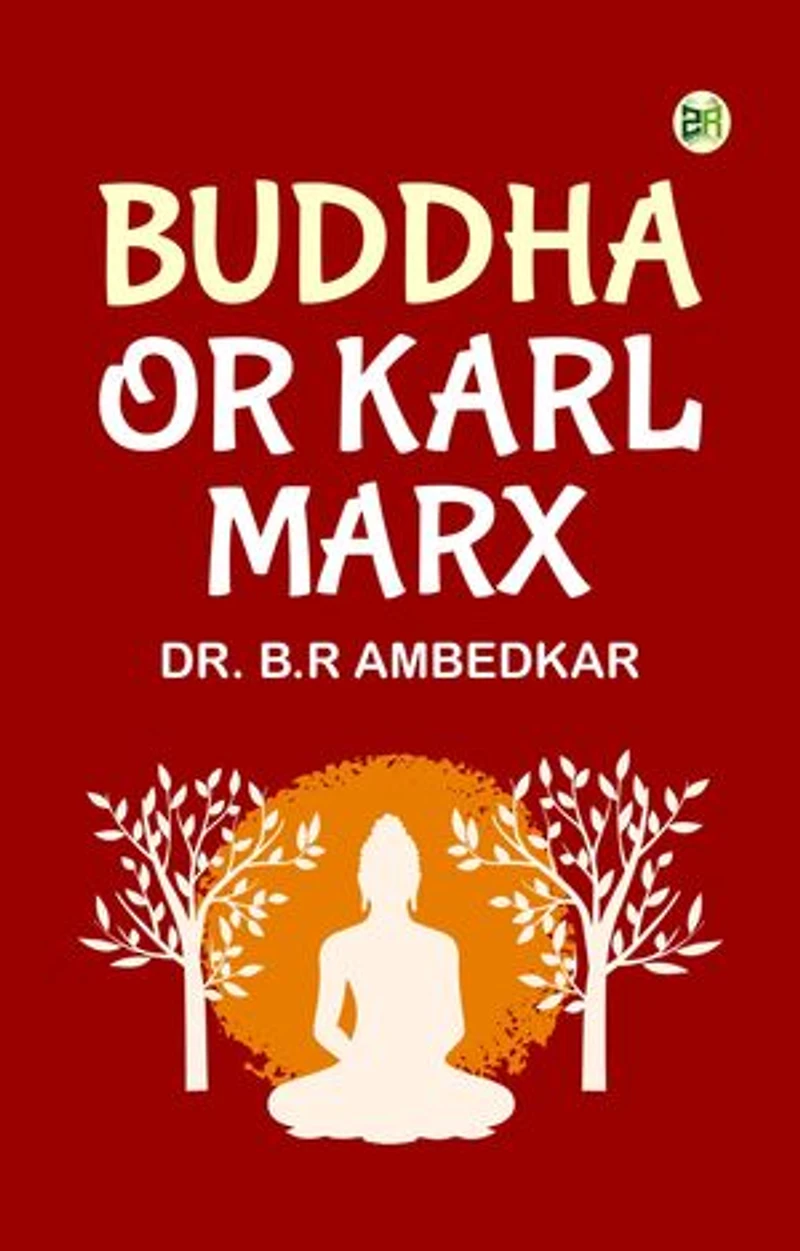
Buddha or Karl Marx in Ottawa, ON
Current price: $1.32

Buddha or Karl Marx in Ottawa, ON
Current price: $1.32
Loading Inventory...
Size: Kobo eBook
*Product information may vary - to confirm product availability, pricing, shipping and return information please contact Coles
Ambedkar begins by examining Buddha’s teachings, particularly his focus on social equality, liberation from suffering, and the rejection of caste divisions. He emphasizes that Buddha’s teachings were rooted in compassion, equality, and the belief in individual emancipation through the Eightfold Path. According to Ambedkar, Buddha’s philosophy aimed at the spiritual and social liberation of all people, regardless of their caste, and fundamentally rejected the hierarchical structures of the Brahmanical social order.On the other hand, Ambedkar explores Karl Marx’s philosophy, which centers on class struggle, the abolition of private property, and the establishment of a classless society. While Ambedkar acknowledges the importance of Marxist critiques of capitalism and class-based exploitation, he critiques Marxism’s focus on economic factors while overlooking the caste system as a primary source of social injustice in India. Ambedkar argues that Marxist ideas, which focus on class struggle between the proletariat and bourgeoisie, may not be fully applicable in India, where caste-based exploitation transcends economic categories.
Ambedkar begins by examining Buddha’s teachings, particularly his focus on social equality, liberation from suffering, and the rejection of caste divisions. He emphasizes that Buddha’s teachings were rooted in compassion, equality, and the belief in individual emancipation through the Eightfold Path. According to Ambedkar, Buddha’s philosophy aimed at the spiritual and social liberation of all people, regardless of their caste, and fundamentally rejected the hierarchical structures of the Brahmanical social order.On the other hand, Ambedkar explores Karl Marx’s philosophy, which centers on class struggle, the abolition of private property, and the establishment of a classless society. While Ambedkar acknowledges the importance of Marxist critiques of capitalism and class-based exploitation, he critiques Marxism’s focus on economic factors while overlooking the caste system as a primary source of social injustice in India. Ambedkar argues that Marxist ideas, which focus on class struggle between the proletariat and bourgeoisie, may not be fully applicable in India, where caste-based exploitation transcends economic categories.









More About Coles at Bayshore Shopping Centre
Coles is renowned for its outstanding customer service and great selection of books. Along with the vast array of magazines, stationary, audio-books, children's literature, fiction, non-fiction and reference books, you can find accessories to make your reading experience more pleasurable. We can recommend the very best in reading today. We will help you search our titles for exactly what you need, and if we do not have it in stock, we will order it for you.
100 Bayshore Dr, Nepean, ON K2B 8C1, Canada
Find Coles at Bayshore Shopping Centre in Ottawa, ON
Visit Coles at Bayshore Shopping Centre in Ottawa, ON