

Give the Gift of Choice!
Too many options? Treat your friends and family to their favourite stores with a Bayshore Shopping Centre gift card, redeemable at participating retailers throughout the centre. Click below to purchase yours today!Purchase HereHome
Buddhist-Muslim Relations in a Theravada World
Coles
Loading Inventory...
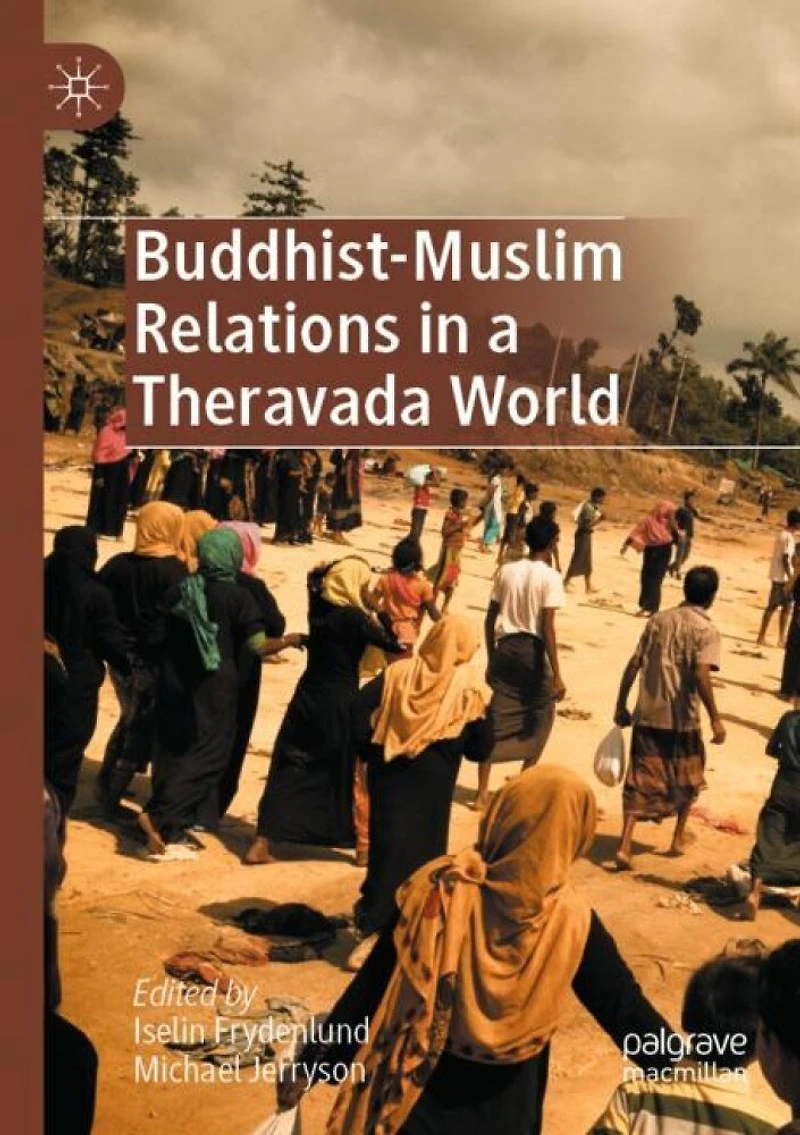
Buddhist-Muslim Relations in a Theravada World in Ottawa, ON
Current price: $248.50

Buddhist-Muslim Relations in a Theravada World in Ottawa, ON
Current price: $248.50
Loading Inventory...
Size: Paperback
*Product information may vary - to confirm product availability, pricing, shipping and return information please contact Coles
This book is the first to critically analyze Buddhist-Muslim relations in Theravada Buddhist majority states in South and Southeast Asia. Asia is home to the largest population of Buddhists and Muslims. In recent years, this interfaith communal living has incurred conflicts, such as the ethnic-religious conflicts in Myanmar, Sri Lanka, and Thailand. Experts from around the world collaborate to provide a comprehensive look into religious pluralism and religious violence. The book is divided into two sections. The first section provides historical background to the three countries with the largest Buddhist-Muslim relations. The second section has chapters that focus on specific encounters between Buddhists and Muslims, which includes anti-Buddhist sentiments in Bangladesh, the role of gender in Muslim-Buddhist relations and the rise of anti-Muslim and anti-Rohingya sentiments in Myanmar. By exploring historical fluctuations over time-paying particular attention to how state-formations condition Muslim-Buddhist entanglements-the book shows the processual and relational aspects of religious identity constructions and Buddhist-Muslim interactions in Theravada Buddhist majority states.
This book is the first to critically analyze Buddhist-Muslim relations in Theravada Buddhist majority states in South and Southeast Asia. Asia is home to the largest population of Buddhists and Muslims. In recent years, this interfaith communal living has incurred conflicts, such as the ethnic-religious conflicts in Myanmar, Sri Lanka, and Thailand. Experts from around the world collaborate to provide a comprehensive look into religious pluralism and religious violence. The book is divided into two sections. The first section provides historical background to the three countries with the largest Buddhist-Muslim relations. The second section has chapters that focus on specific encounters between Buddhists and Muslims, which includes anti-Buddhist sentiments in Bangladesh, the role of gender in Muslim-Buddhist relations and the rise of anti-Muslim and anti-Rohingya sentiments in Myanmar. By exploring historical fluctuations over time-paying particular attention to how state-formations condition Muslim-Buddhist entanglements-the book shows the processual and relational aspects of religious identity constructions and Buddhist-Muslim interactions in Theravada Buddhist majority states.
You May Also Like








More About Coles at Bayshore Shopping Centre
Coles is renowned for its outstanding customer service and great selection of books. Along with the vast array of magazines, stationary, audio-books, children's literature, fiction, non-fiction and reference books, you can find accessories to make your reading experience more pleasurable. We can recommend the very best in reading today. We will help you search our titles for exactly what you need, and if we do not have it in stock, we will order it for you.
100 Bayshore Dr, Nepean, ON K2B 8C1, Canada
Find Coles at Bayshore Shopping Centre in Ottawa, ON
Visit Coles at Bayshore Shopping Centre in Ottawa, ON