

Give the Gift of Choice!
Too many options? Treat your friends and family to their favourite stores with a Bayshore Shopping Centre gift card, redeemable at participating retailers throughout the centre. Click below to purchase yours today!Purchase HereHome
Byzantium Viewed by the Arabs
Coles
Loading Inventory...
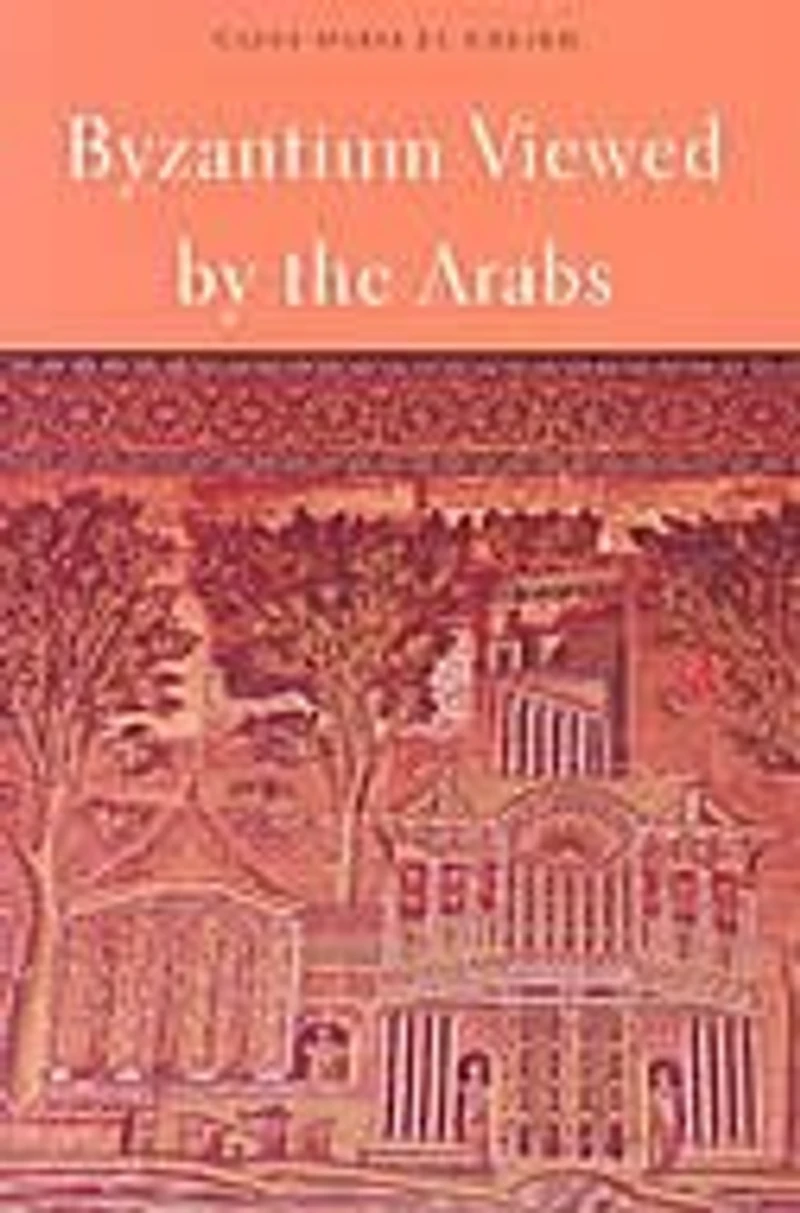
Byzantium Viewed by the Arabs in Ottawa, ON
Current price: $25.95

Byzantium Viewed by the Arabs in Ottawa, ON
Current price: $25.95
Loading Inventory...
Size: Paperback
*Product information may vary - to confirm product availability, pricing, shipping and return information please contact Coles
This book studies the Arabic-Islamic view of Byzantium, tracing the Byzantine image as it evolved through centuries of warfare, contact, and exchanges. Including previously inaccessible material on the Arabic textual tradition on Byzantium, this investigation shows the significance of Byzantium to the Arab Muslim establishment and their appreciation of various facets of Byzantine culture and civilization.
The Arabic-Islamic representation of the Byzantine Empire stretching from the reference to Byzantium in the Qur’an until the fall of Constantinople in 1453 is considered in terms of a few salient themes. The image of Byzantium reveals itself to be complex, non-monolithic, and self-referential. Formulating an alternative appreciation to the politics of confrontation and hostility that so often underlies scholarly discourse on Muslim–Byzantine relations, this book presents the schemes developed by medieval authors to reinterpret aspects of their own history, their own self-definition, and their own view of the world.
This book studies the Arabic-Islamic view of Byzantium, tracing the Byzantine image as it evolved through centuries of warfare, contact, and exchanges. Including previously inaccessible material on the Arabic textual tradition on Byzantium, this investigation shows the significance of Byzantium to the Arab Muslim establishment and their appreciation of various facets of Byzantine culture and civilization.
The Arabic-Islamic representation of the Byzantine Empire stretching from the reference to Byzantium in the Qur’an until the fall of Constantinople in 1453 is considered in terms of a few salient themes. The image of Byzantium reveals itself to be complex, non-monolithic, and self-referential. Formulating an alternative appreciation to the politics of confrontation and hostility that so often underlies scholarly discourse on Muslim–Byzantine relations, this book presents the schemes developed by medieval authors to reinterpret aspects of their own history, their own self-definition, and their own view of the world.
You May Also Like







More About Coles at Bayshore Shopping Centre
Coles is renowned for its outstanding customer service and great selection of books. Along with the vast array of magazines, stationary, audio-books, children's literature, fiction, non-fiction and reference books, you can find accessories to make your reading experience more pleasurable. We can recommend the very best in reading today. We will help you search our titles for exactly what you need, and if we do not have it in stock, we will order it for you.
100 Bayshore Dr, Nepean, ON K2B 8C1, Canada
Find Coles at Bayshore Shopping Centre in Ottawa, ON
Visit Coles at Bayshore Shopping Centre in Ottawa, ON