

Give the Gift of Choice!
Too many options? Treat your friends and family to their favourite stores with a Bayshore Shopping Centre gift card, redeemable at participating retailers throughout the centre. Click below to purchase yours today!Purchase HereHome
C. Y. Tung (1912–1982) and the Rise of Modern Chinese Shipping
Coles
Loading Inventory...
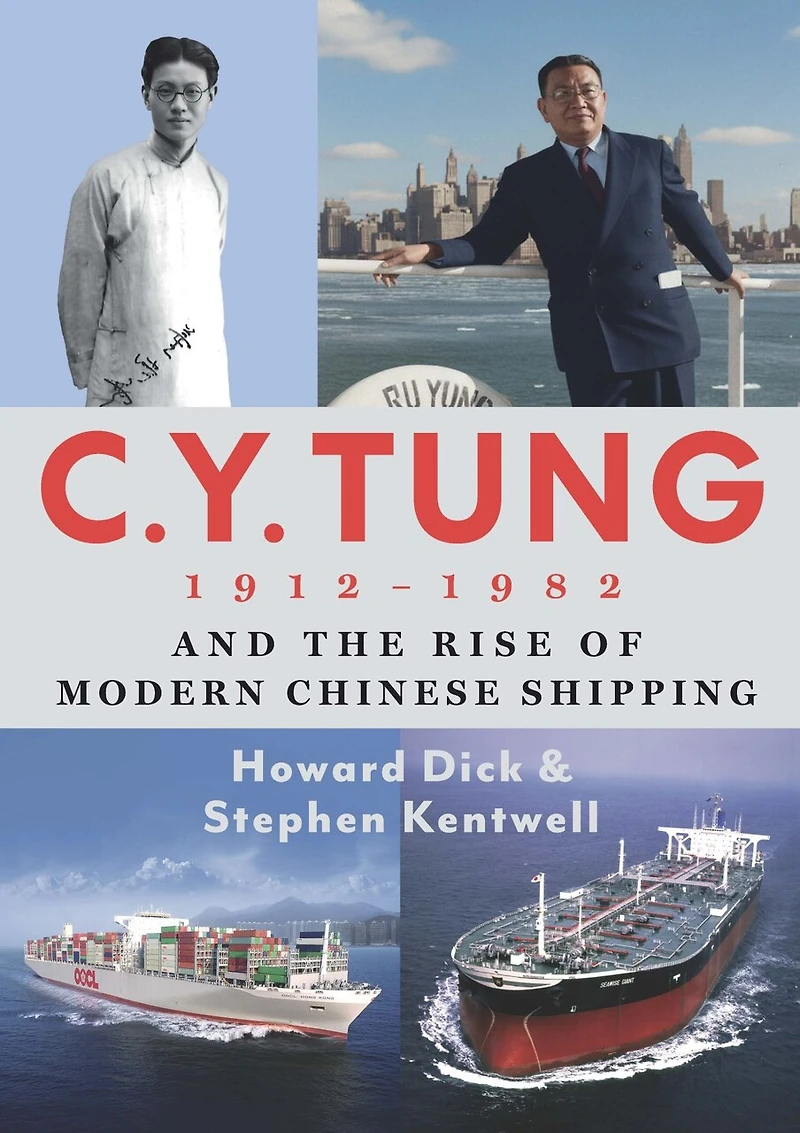
C. Y. Tung (1912–1982) and the Rise of Modern Chinese Shipping in Ottawa, ON
Current price: $70.50

C. Y. Tung (1912–1982) and the Rise of Modern Chinese Shipping in Ottawa, ON
Current price: $70.50
Loading Inventory...
Size: Hardcover
*Product information may vary - to confirm product availability, pricing, shipping and return information please contact Coles
A business biography of C. Y. Tung, founder of the Orient Overseas Container Line and philanthropist. Shipowner Tung Chao-Yung (1912–82) is remembered worldwide as a champion for Chinese shipping and a pioneer of container shipping. Despite coming from a humble background, by the time of his death, he controlled a huge fleet of passenger liners, bulk carriers, tankers, and container ships, while also managing a diverse network of port terminals, dockyards, banks, and prime real estate. C. Y. Tung and the Rise of Modern Chinese Shipping sets out his pathway from a junior executive in the early 1930s to one of the world’s leading private shipowners. The authors argue that Tung achieved his dream of developing Chinese ocean shipping through his ability to learn, innovate, network, and devise strategies through decades of rapid technical and organizational change. He also earned wide respect for his generous philanthropy. The book concludes with an overview of the emergence of the state-owned PRC fleet and brief histories of other multi-generational family companies in Hong Kong, Taiwan, and Singapore.
A business biography of C. Y. Tung, founder of the Orient Overseas Container Line and philanthropist. Shipowner Tung Chao-Yung (1912–82) is remembered worldwide as a champion for Chinese shipping and a pioneer of container shipping. Despite coming from a humble background, by the time of his death, he controlled a huge fleet of passenger liners, bulk carriers, tankers, and container ships, while also managing a diverse network of port terminals, dockyards, banks, and prime real estate. C. Y. Tung and the Rise of Modern Chinese Shipping sets out his pathway from a junior executive in the early 1930s to one of the world’s leading private shipowners. The authors argue that Tung achieved his dream of developing Chinese ocean shipping through his ability to learn, innovate, network, and devise strategies through decades of rapid technical and organizational change. He also earned wide respect for his generous philanthropy. The book concludes with an overview of the emergence of the state-owned PRC fleet and brief histories of other multi-generational family companies in Hong Kong, Taiwan, and Singapore.
You May Also Like









More About Coles at Bayshore Shopping Centre
Coles is renowned for its outstanding customer service and great selection of books. Along with the vast array of magazines, stationary, audio-books, children's literature, fiction, non-fiction and reference books, you can find accessories to make your reading experience more pleasurable. We can recommend the very best in reading today. We will help you search our titles for exactly what you need, and if we do not have it in stock, we will order it for you.
100 Bayshore Dr, Nepean, ON K2B 8C1, Canada
Find Coles at Bayshore Shopping Centre in Ottawa, ON
Visit Coles at Bayshore Shopping Centre in Ottawa, ON