

Give the Gift of Choice!
Too many options? Treat your friends and family to their favourite stores with a Bayshore Shopping Centre gift card, redeemable at participating retailers throughout the centre. Click below to purchase yours today!Purchase HereHome
Cabin Crew Conflict: The British Airways Dispute 2009-11
Coles
Loading Inventory...
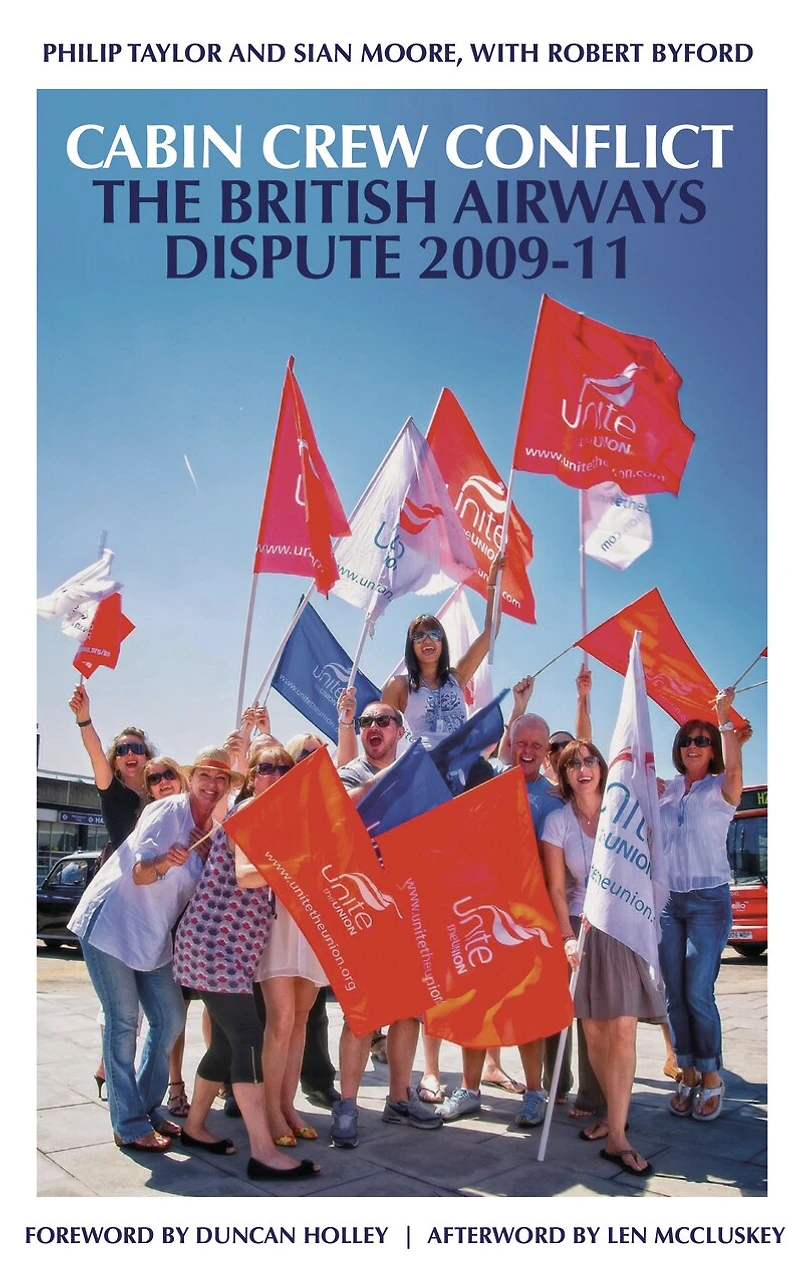
Cabin Crew Conflict: The British Airways Dispute 2009-11 in Ottawa, ON
By None
Current price: $45.50

By None
Cabin Crew Conflict: The British Airways Dispute 2009-11 in Ottawa, ON
Current price: $45.50
Loading Inventory...
Size: Hardcover
*Product information may vary - to confirm product availability, pricing, shipping and return information please contact Coles
In 2009, cabin crew in the BASSA union embarked on a historic, two-year battle against British Airways which was seeking to impose reduced crew levels and to transform working conditions. In the face of employer hostility, legal obstruction, government opposition and adverse media coverage, this workforce, diverse in terms of gender, sexuality, race and nationality undertook determined resistance against this offensive. Notably, their action included twenty-two days of strike action that saw mass participation in rallies and on picket lines. The dispute cost British Airways 150 million in lost revenue and its main outcome was the cabin crew's successful defence of their union and core conditions. Here, in their own words, Cabin Crew Conflict tells the strikers' story, focusing on cabin crew responses, perceptions of events, and their lived experiences of taking industrial action in a hostile climate. Foregrounding questions of class, gender and identity, and how these were manifest in the course of the dispute, the authors highlight the strike's significance for contemporary employment relations in and beyond the aviation industry. Lively and insightful, Cabin Crew Conflict explores the organisational and ideological role of the trade union, and shows how a 'non-traditional' workforce can organise and take effective action.
In 2009, cabin crew in the BASSA union embarked on a historic, two-year battle against British Airways which was seeking to impose reduced crew levels and to transform working conditions. In the face of employer hostility, legal obstruction, government opposition and adverse media coverage, this workforce, diverse in terms of gender, sexuality, race and nationality undertook determined resistance against this offensive. Notably, their action included twenty-two days of strike action that saw mass participation in rallies and on picket lines. The dispute cost British Airways 150 million in lost revenue and its main outcome was the cabin crew's successful defence of their union and core conditions. Here, in their own words, Cabin Crew Conflict tells the strikers' story, focusing on cabin crew responses, perceptions of events, and their lived experiences of taking industrial action in a hostile climate. Foregrounding questions of class, gender and identity, and how these were manifest in the course of the dispute, the authors highlight the strike's significance for contemporary employment relations in and beyond the aviation industry. Lively and insightful, Cabin Crew Conflict explores the organisational and ideological role of the trade union, and shows how a 'non-traditional' workforce can organise and take effective action.
You May Also Like









More About Coles at Bayshore Shopping Centre
Coles is renowned for its outstanding customer service and great selection of books. Along with the vast array of magazines, stationary, audio-books, children's literature, fiction, non-fiction and reference books, you can find accessories to make your reading experience more pleasurable. We can recommend the very best in reading today. We will help you search our titles for exactly what you need, and if we do not have it in stock, we will order it for you.
100 Bayshore Dr, Nepean, ON K2B 8C1, Canada
Find Coles at Bayshore Shopping Centre in Ottawa, ON
Visit Coles at Bayshore Shopping Centre in Ottawa, ON