

Give the Gift of Choice!
Too many options? Treat your friends and family to their favourite stores with a Bayshore Shopping Centre gift card, redeemable at participating retailers throughout the centre. Click below to purchase yours today!Purchase HereHome
Cancer Nanotechnology: Principles And Applications Radiation Oncology
Coles
Loading Inventory...
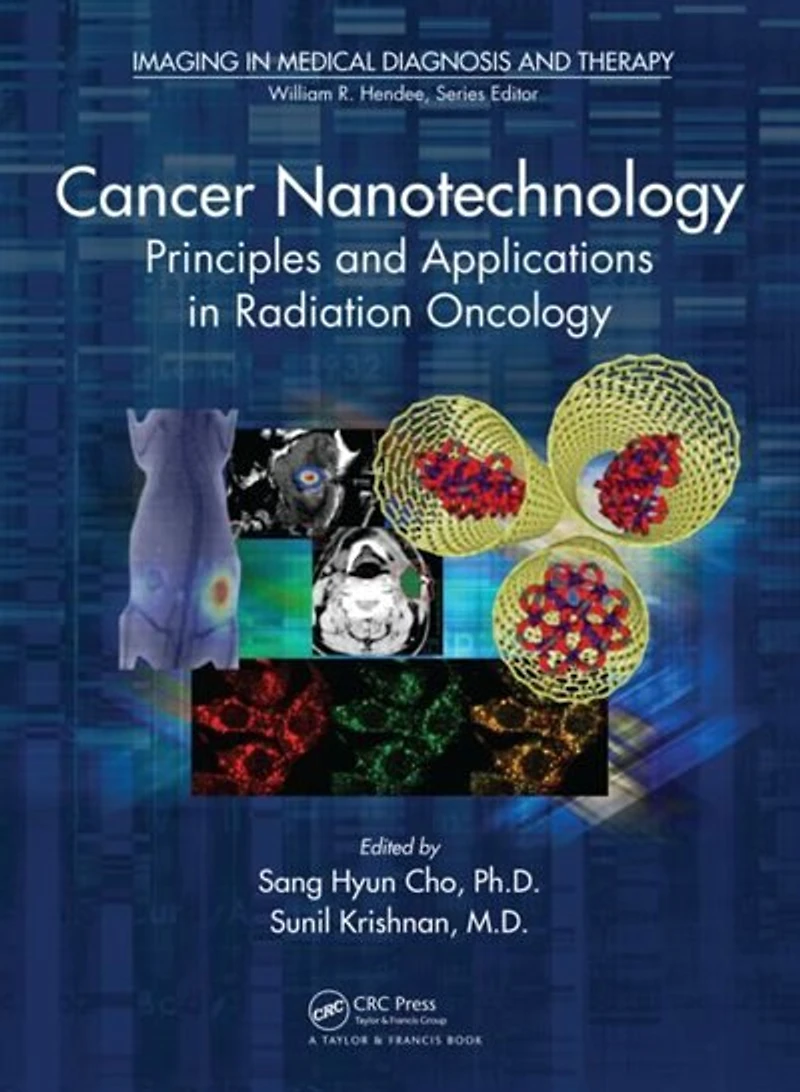
Cancer Nanotechnology: Principles And Applications Radiation Oncology in Ottawa, ON
Current price: $451.50

Cancer Nanotechnology: Principles And Applications Radiation Oncology in Ottawa, ON
Current price: $451.50
Loading Inventory...
Size: Hardcover
*Product information may vary - to confirm product availability, pricing, shipping and return information please contact Coles
Rapid advances in nanotechnology have enabled the fabrication of nanoparticles from various materials with different shapes, sizes, and properties, and efforts are ongoing to exploit these materials for practical clinical applications. Nanotechnology is particularly relevant in the field of oncology, as the leaky and chaotic vasculature of tumors-a hallmark of unrestrained growth-results in the passive accumulation of nanoparticles within tumors. Cancer Nanotechnology: Principles and Applications in Radiation Oncology is a compilation of research in the arena of nanoparticles and radiation oncology, which lies at the intersection of disciplines as diverse as clinical radiation oncology, radiation physics and biology, nanotechnology, materials science, and biomedical engineering. The book provides a comprehensive, cross-disciplinary survey of basic principles, research techniques, and outcomes with the goals of eventual clinical translation. Coverage includes
A general introduction to fabrication, preferential tumor targeting, and imaging of nanoparticles The specific applications of nanomaterials in the realms of radiation therapy, hyperthermia, thermal therapy, and normal tissue protection from radiation exposure Outlooks for future research and clinical translation including regulatory issues for ultimate use of nanomaterials in humans Reflecting profound advances in the application of nanotechnology to radiation oncology, this comprehensive volume demonstrates how the unique physicochemical properties of nanoparticles lead to novel strategies for cancer treatment and detection. Along with various computational and experimental techniques, each chapter highlights the most promising approaches to the use of nanoparticles for radiation response modulation.
Rapid advances in nanotechnology have enabled the fabrication of nanoparticles from various materials with different shapes, sizes, and properties, and efforts are ongoing to exploit these materials for practical clinical applications. Nanotechnology is particularly relevant in the field of oncology, as the leaky and chaotic vasculature of tumors-a hallmark of unrestrained growth-results in the passive accumulation of nanoparticles within tumors. Cancer Nanotechnology: Principles and Applications in Radiation Oncology is a compilation of research in the arena of nanoparticles and radiation oncology, which lies at the intersection of disciplines as diverse as clinical radiation oncology, radiation physics and biology, nanotechnology, materials science, and biomedical engineering. The book provides a comprehensive, cross-disciplinary survey of basic principles, research techniques, and outcomes with the goals of eventual clinical translation. Coverage includes
A general introduction to fabrication, preferential tumor targeting, and imaging of nanoparticles The specific applications of nanomaterials in the realms of radiation therapy, hyperthermia, thermal therapy, and normal tissue protection from radiation exposure Outlooks for future research and clinical translation including regulatory issues for ultimate use of nanomaterials in humans Reflecting profound advances in the application of nanotechnology to radiation oncology, this comprehensive volume demonstrates how the unique physicochemical properties of nanoparticles lead to novel strategies for cancer treatment and detection. Along with various computational and experimental techniques, each chapter highlights the most promising approaches to the use of nanoparticles for radiation response modulation.
You May Also Like









More About Coles at Bayshore Shopping Centre
Coles is renowned for its outstanding customer service and great selection of books. Along with the vast array of magazines, stationary, audio-books, children's literature, fiction, non-fiction and reference books, you can find accessories to make your reading experience more pleasurable. We can recommend the very best in reading today. We will help you search our titles for exactly what you need, and if we do not have it in stock, we will order it for you.
100 Bayshore Dr, Nepean, ON K2B 8C1, Canada
Find Coles at Bayshore Shopping Centre in Ottawa, ON
Visit Coles at Bayshore Shopping Centre in Ottawa, ON