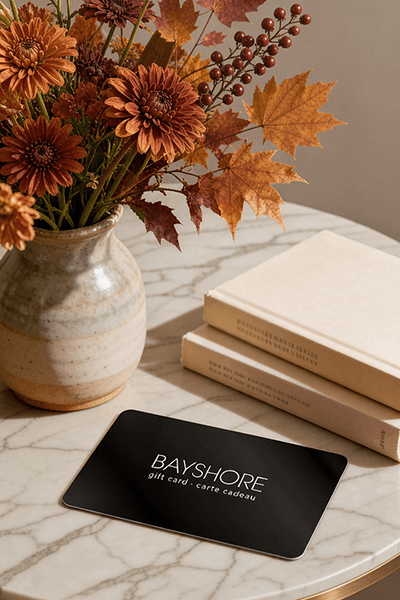
Too many options? Treat your friends and family to their favourite stores with a Bayshore Shopping Centre gift card, redeemable at participating retailers throughout the centre. Click below to purchase yours today!Purchase Here
Coles Cantaoras: Music, Gender and Identity in Flamenco Song at Bayshore Shopping Centre in Ottawa, ON
*Product information may vary - to confirm product availability, pricing, shipping and return information please contact Coles
This book provides an in-depth ethnographic investigation of the greatly underestimated and underappreciated contributions of women singers, the cantaoras , to the creation, transmission and innovation in flamenco song. Situating the study of flamenco in the context of social and political currents that have shaped twentieth-century Spain, and drawing on interviews with the cantaoras themselves, Loren Chuse shows how flamenco is a complex of cultural practices at once musical, physical, verbal and social, involving the expression and negotiation of complex multi-layered identities, including notions of Andalusian, regional, gypsy and gender identity. Chuse shows how women are engaged in the formation of flamenco today, and how they respond to the balance and tensions between tradition and innovation. In so doing, she encourages a deeper appreciation of flamenco and initiates new approaches within ethnomusicology, feminist scholarship, flamenco, gender and popular music studies.
This book provides an in-depth ethnographic investigation of the greatly underestimated and underappreciated contributions of women singers, the cantaoras , to the creation, transmission and innovation in flamenco song. Situating the study of flamenco in the context of social and political currents that have shaped twentieth-century Spain, and drawing on interviews with the cantaoras themselves, Loren Chuse shows how flamenco is a complex of cultural practices at once musical, physical, verbal and social, involving the expression and negotiation of complex multi-layered identities, including notions of Andalusian, regional, gypsy and gender identity. Chuse shows how women are engaged in the formation of flamenco today, and how they respond to the balance and tensions between tradition and innovation. In so doing, she encourages a deeper appreciation of flamenco and initiates new approaches within ethnomusicology, feminist scholarship, flamenco, gender and popular music studies.
Coles is renowned for its outstanding customer service and great selection of books. Along with the vast array of magazines, stationary, audio-books, children's literature, fiction, non-fiction and reference books, you can find accessories to make your reading experience more pleasurable. We can recommend the very best in reading today. We will help you search our titles for exactly what you need, and if we do not have it in stock, we will order it for you.