

Give the Gift of Choice!
Too many options? Treat your friends and family to their favourite stores with a Bayshore Shopping Centre gift card, redeemable at participating retailers throughout the centre. Click below to purchase yours today!Purchase HereHome
Card Sharps and Bucket Shops: Gambling Nineteenth-Century America
Coles
Loading Inventory...
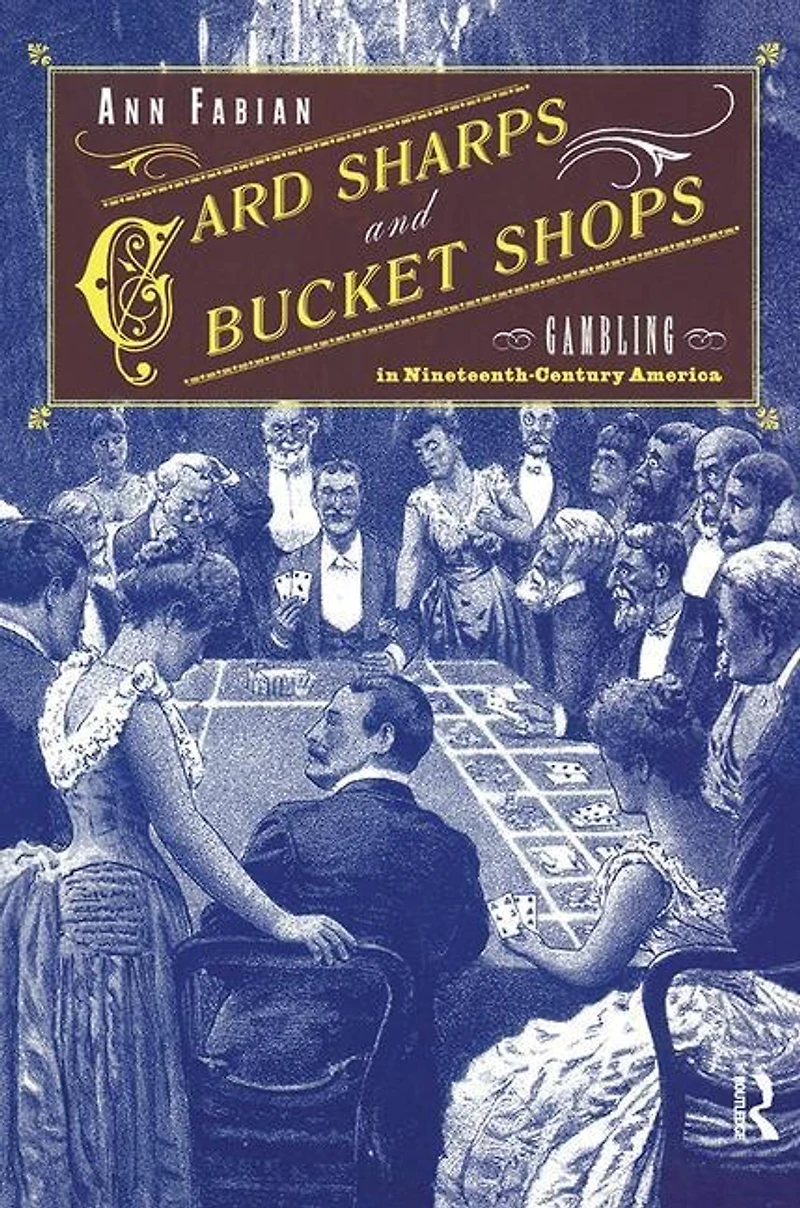
Card Sharps and Bucket Shops: Gambling Nineteenth-Century America in Ottawa, ON
Current price: $392.50

Card Sharps and Bucket Shops: Gambling Nineteenth-Century America in Ottawa, ON
Current price: $392.50
Loading Inventory...
Size: Hardcover
*Product information may vary - to confirm product availability, pricing, shipping and return information please contact Coles
In a highly readable work that engages topics in American cultural, social and business history, Ann Fabian details the place of gambling in industrializing America. Card Sharps and Bucket Shops investigates the relationship between gambling and other ways of making profit, such as speculation and land investment, which became entrenched during the nineteenth century. While all these undertakings ran counter to deeply ingrained American--and Protestant--work ethics, only gambling took on a stigma that made other efforts to acquire wealth socially acceptable. Fabian considers here the reformers who sought to ban gambling; psychological explanations for the deviant gambler; numbers games in the African American community; and efforts by speculators to draw distinctions between their own activities and gambling. She combines first-rate cultural analysis with rigorous research, and along the way provides a wealth of colorful details, characters and anecdotes.
In a highly readable work that engages topics in American cultural, social and business history, Ann Fabian details the place of gambling in industrializing America. Card Sharps and Bucket Shops investigates the relationship between gambling and other ways of making profit, such as speculation and land investment, which became entrenched during the nineteenth century. While all these undertakings ran counter to deeply ingrained American--and Protestant--work ethics, only gambling took on a stigma that made other efforts to acquire wealth socially acceptable. Fabian considers here the reformers who sought to ban gambling; psychological explanations for the deviant gambler; numbers games in the African American community; and efforts by speculators to draw distinctions between their own activities and gambling. She combines first-rate cultural analysis with rigorous research, and along the way provides a wealth of colorful details, characters and anecdotes.
You May Also Like








More About Coles at Bayshore Shopping Centre
Coles is renowned for its outstanding customer service and great selection of books. Along with the vast array of magazines, stationary, audio-books, children's literature, fiction, non-fiction and reference books, you can find accessories to make your reading experience more pleasurable. We can recommend the very best in reading today. We will help you search our titles for exactly what you need, and if we do not have it in stock, we will order it for you.
100 Bayshore Dr, Nepean, ON K2B 8C1, Canada
Find Coles at Bayshore Shopping Centre in Ottawa, ON
Visit Coles at Bayshore Shopping Centre in Ottawa, ON