

Give the Gift of Choice!
Too many options? Treat your friends and family to their favourite stores with a Bayshore Shopping Centre gift card, redeemable at participating retailers throughout the centre. Click below to purchase yours today!Purchase HereHome
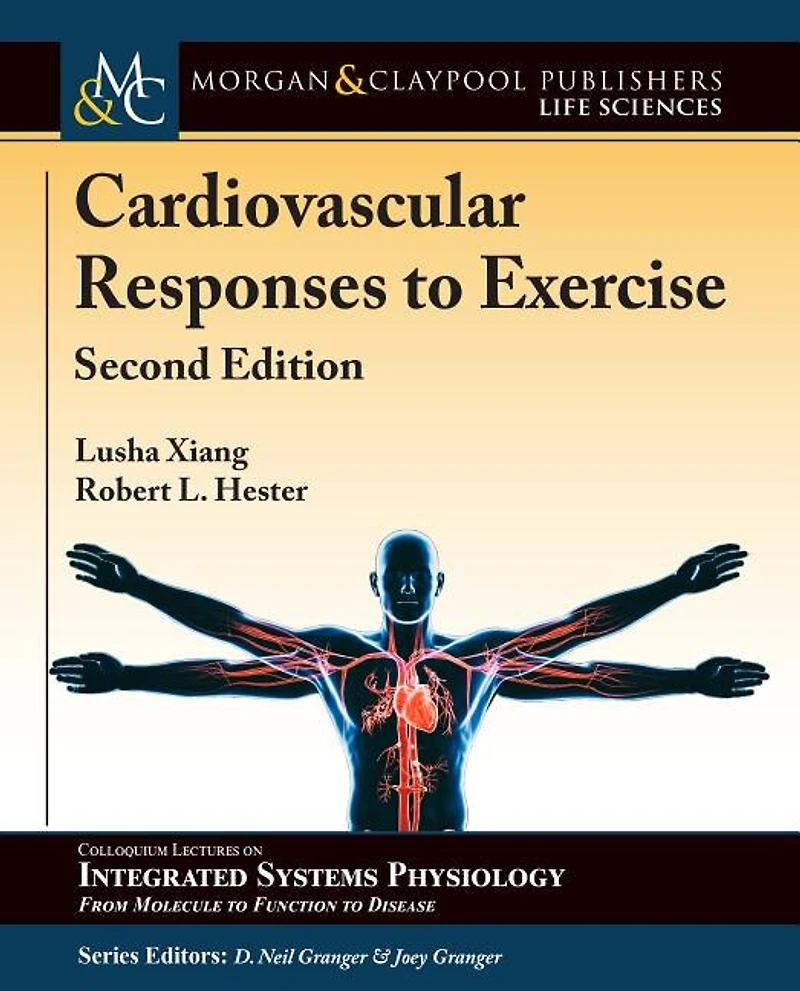
Cardiovascular Responses to Exercise: Second Edition
Coles
Loading Inventory...
Cardiovascular Responses to Exercise: Second Edition in Ottawa, ON
Current price: $71.50

Cardiovascular Responses to Exercise: Second Edition in Ottawa, ON
Current price: $71.50
Loading Inventory...
Size: Paperback
*Product information may vary - to confirm product availability, pricing, shipping and return information please contact Coles
Exercise is the act of increasing metabolic rate for the purpose of enhancing physical fitness. Exercise can be one of the most stressful physiological responses that the body undertakes. With exercise, there are increases in metabolic rate, heart rate, blood flow (hyperemia), respiration, and heat production. The increased metabolic requirement during exercise is well met by an increased blood flow (functional hyperemia) and oxygen supply to the exercising tissue, which is regulated by multiple local and systemic mechanisms. The local mechanisms (factors) are responsible for mediating the muscle homeostasis and vascular conductance to match the increased metabolic requirement, whereas the systemic mechanisms are responsible for the maintenance of blood pressure and global cardiovascular homeostasis, including the increase in and redistribution of cardiac output, which is mainly mediated by sympathetic activation. For instance, the substantial decreases in vascular resistance and resultant large increase in blood flow during exercise require higher blood pressure and more cardiac output, such that the metabolically active muscle can be perfused with adequate blood flow. This book will provide an overview of the cardiovascular responses to exercise under physiological conditions as well as some pathological circumstances.
Exercise is the act of increasing metabolic rate for the purpose of enhancing physical fitness. Exercise can be one of the most stressful physiological responses that the body undertakes. With exercise, there are increases in metabolic rate, heart rate, blood flow (hyperemia), respiration, and heat production. The increased metabolic requirement during exercise is well met by an increased blood flow (functional hyperemia) and oxygen supply to the exercising tissue, which is regulated by multiple local and systemic mechanisms. The local mechanisms (factors) are responsible for mediating the muscle homeostasis and vascular conductance to match the increased metabolic requirement, whereas the systemic mechanisms are responsible for the maintenance of blood pressure and global cardiovascular homeostasis, including the increase in and redistribution of cardiac output, which is mainly mediated by sympathetic activation. For instance, the substantial decreases in vascular resistance and resultant large increase in blood flow during exercise require higher blood pressure and more cardiac output, such that the metabolically active muscle can be perfused with adequate blood flow. This book will provide an overview of the cardiovascular responses to exercise under physiological conditions as well as some pathological circumstances.











More About Coles at Bayshore Shopping Centre
Coles is renowned for its outstanding customer service and great selection of books. Along with the vast array of magazines, stationary, audio-books, children's literature, fiction, non-fiction and reference books, you can find accessories to make your reading experience more pleasurable. We can recommend the very best in reading today. We will help you search our titles for exactly what you need, and if we do not have it in stock, we will order it for you.
100 Bayshore Dr, Nepean, ON K2B 8C1, Canada
Find Coles at Bayshore Shopping Centre in Ottawa, ON
Visit Coles at Bayshore Shopping Centre in Ottawa, ON