

Give the Gift of Choice!
Too many options? Treat your friends and family to their favourite stores with a Bayshore Shopping Centre gift card, redeemable at participating retailers throughout the centre. Click below to purchase yours today!Purchase HereHome
Caribeños at the Table: How Migration, Health, and Race Intersect New York City
Coles
Loading Inventory...
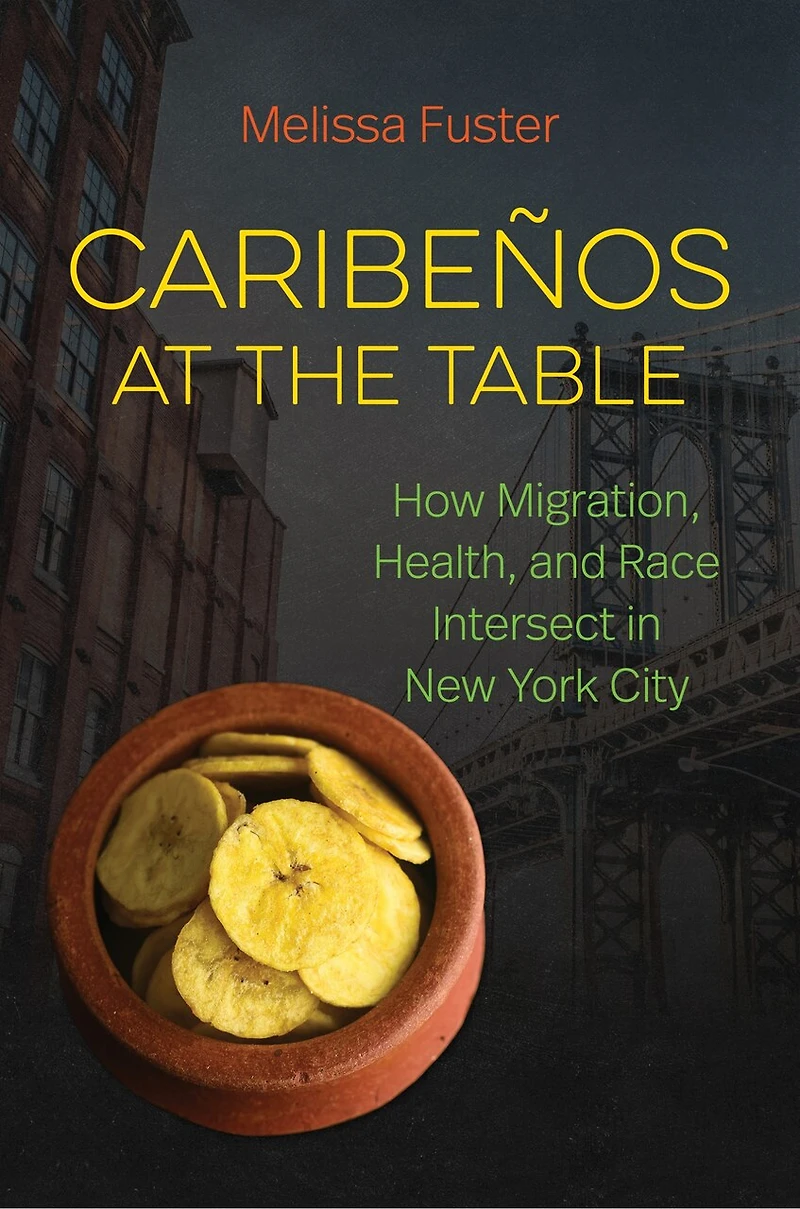
Caribeños at the Table: How Migration, Health, and Race Intersect New York City in Ottawa, ON
Current price: $128.95

Caribeños at the Table: How Migration, Health, and Race Intersect New York City in Ottawa, ON
Current price: $128.95
Loading Inventory...
Size: Hardcover
*Product information may vary - to confirm product availability, pricing, shipping and return information please contact Coles
Melissa Fuster thinks expansively about the multiple meanings of comida, food, from something as simple as a meal to something as complex as one’s identity. She listens intently to the voices of New York City residents with Cuban, Dominican, or Puerto Rican backgrounds, as well as to those of the nutritionists and health professionals who serve them. She argues with sensitivity that the migrants’ health depends not only on food culture but also on important structural factors that underlie their access to food, employment, and high-quality healthcare.
People in Hispanic Caribbean communities in the United States present high rates of obesity, diabetes, and other diet-related diseases, conditions painfully highlighted during the COVID-19 pandemic. Both eaters and dietitians may blame these diseases on the shedding of traditional diets in favor of highly processed foods. Or, conversely, they may blame these on the traditional diets of fatty meat, starchy root vegetables, and rice. Applying a much needed intersectional approach, Fuster shows that nutritionists and eaters often misrepresent, and even racialize or pathologize, a cuisine’s healthfulness or unhealthfulness if they overlook the kinds of economic and racial inequities that exist within the global migration experience.
Melissa Fuster thinks expansively about the multiple meanings of comida, food, from something as simple as a meal to something as complex as one’s identity. She listens intently to the voices of New York City residents with Cuban, Dominican, or Puerto Rican backgrounds, as well as to those of the nutritionists and health professionals who serve them. She argues with sensitivity that the migrants’ health depends not only on food culture but also on important structural factors that underlie their access to food, employment, and high-quality healthcare.
People in Hispanic Caribbean communities in the United States present high rates of obesity, diabetes, and other diet-related diseases, conditions painfully highlighted during the COVID-19 pandemic. Both eaters and dietitians may blame these diseases on the shedding of traditional diets in favor of highly processed foods. Or, conversely, they may blame these on the traditional diets of fatty meat, starchy root vegetables, and rice. Applying a much needed intersectional approach, Fuster shows that nutritionists and eaters often misrepresent, and even racialize or pathologize, a cuisine’s healthfulness or unhealthfulness if they overlook the kinds of economic and racial inequities that exist within the global migration experience.
You May Also Like


















More About Coles at Bayshore Shopping Centre
Coles is renowned for its outstanding customer service and great selection of books. Along with the vast array of magazines, stationary, audio-books, children's literature, fiction, non-fiction and reference books, you can find accessories to make your reading experience more pleasurable. We can recommend the very best in reading today. We will help you search our titles for exactly what you need, and if we do not have it in stock, we will order it for you.
100 Bayshore Dr, Nepean, ON K2B 8C1, Canada
Find Coles at Bayshore Shopping Centre in Ottawa, ON
Visit Coles at Bayshore Shopping Centre in Ottawa, ON