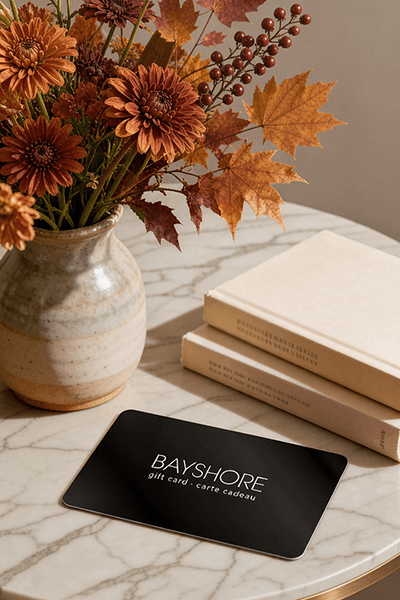
Too many options? Treat your friends and family to their favourite stores with a Bayshore Shopping Centre gift card, redeemable at participating retailers throughout the centre. Click below to purchase yours today!Purchase Here
Coles Caring for the 'Holy Land': Filipina Domestic Workers in Israel at Bayshore Shopping Centre in Ottawa, ON
*Product information may vary - to confirm product availability, pricing, shipping and return information please contact Coles
In Israel, as in numerous countries of the global North, Filipina women have been recruited in large numbers for domestic work, typically as live-in caregivers for the elderly. The case of Israel is unique in that the country has a special significance as the ‘Holy Land’ for the predominantly devout Christian Filipina women and is at the center of an often violent conflict, which affects Filipinos in many ways. In the literature, migrant domestic workers are often described as being subject to racial discrimination, labour exploitation and exclusion from mainstream society. Here, the author provides a more nuanced account and shows how Filipina caregivers in Israel have succeeded in creating their own collective spaces, as well as negotiating rights and belonging. While maintaining transnational ties and engaging in border-crossing journeys, these women seek to fulfill their dreams of a better life. During this process, new socialities and subjectivities emerge that point to a form of global citizenship in the making, consisting of greater social, economic and political rights within a highly gendered and racialized global economy.
In Israel, as in numerous countries of the global North, Filipina women have been recruited in large numbers for domestic work, typically as live-in caregivers for the elderly. The case of Israel is unique in that the country has a special significance as the ‘Holy Land’ for the predominantly devout Christian Filipina women and is at the center of an often violent conflict, which affects Filipinos in many ways. In the literature, migrant domestic workers are often described as being subject to racial discrimination, labour exploitation and exclusion from mainstream society. Here, the author provides a more nuanced account and shows how Filipina caregivers in Israel have succeeded in creating their own collective spaces, as well as negotiating rights and belonging. While maintaining transnational ties and engaging in border-crossing journeys, these women seek to fulfill their dreams of a better life. During this process, new socialities and subjectivities emerge that point to a form of global citizenship in the making, consisting of greater social, economic and political rights within a highly gendered and racialized global economy.
Coles is renowned for its outstanding customer service and great selection of books. Along with the vast array of magazines, stationary, audio-books, children's literature, fiction, non-fiction and reference books, you can find accessories to make your reading experience more pleasurable. We can recommend the very best in reading today. We will help you search our titles for exactly what you need, and if we do not have it in stock, we will order it for you.