

Give the Gift of Choice!
Too many options? Treat your friends and family to their favourite stores with a Bayshore Shopping Centre gift card, redeemable at participating retailers throughout the centre. Click below to purchase yours today!Purchase HereHome
Casualties of Causality
Coles
Loading Inventory...
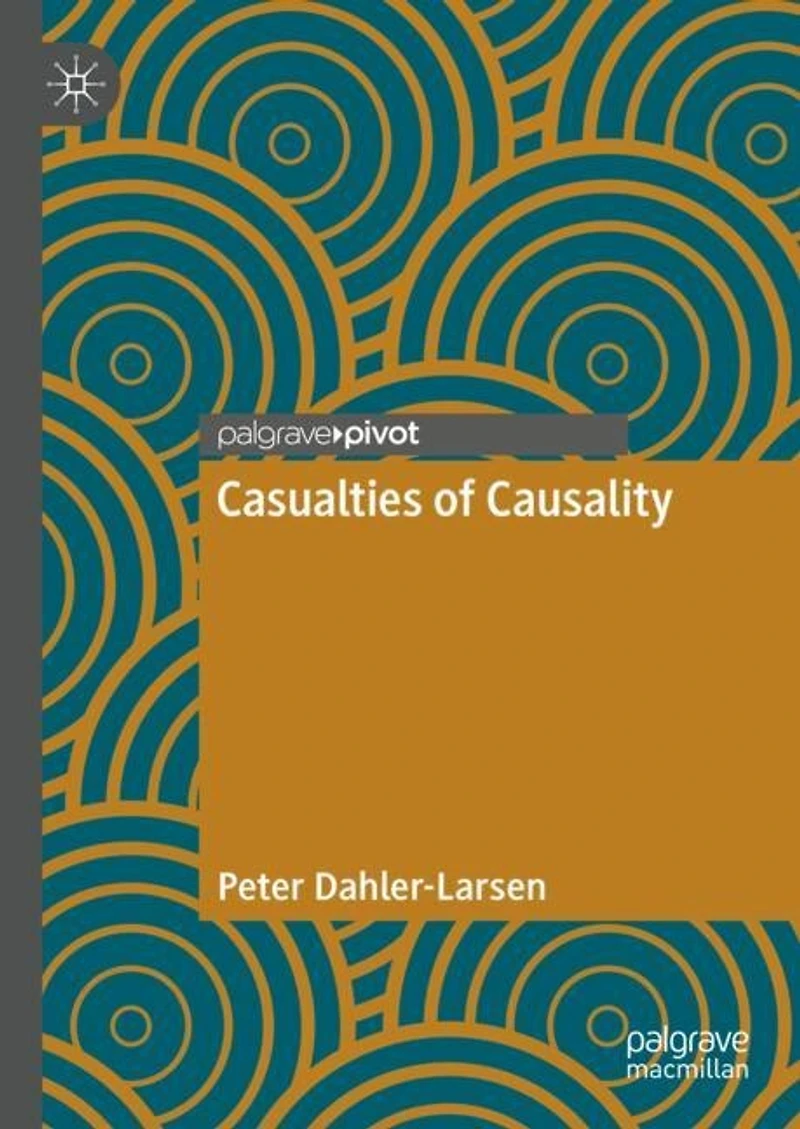
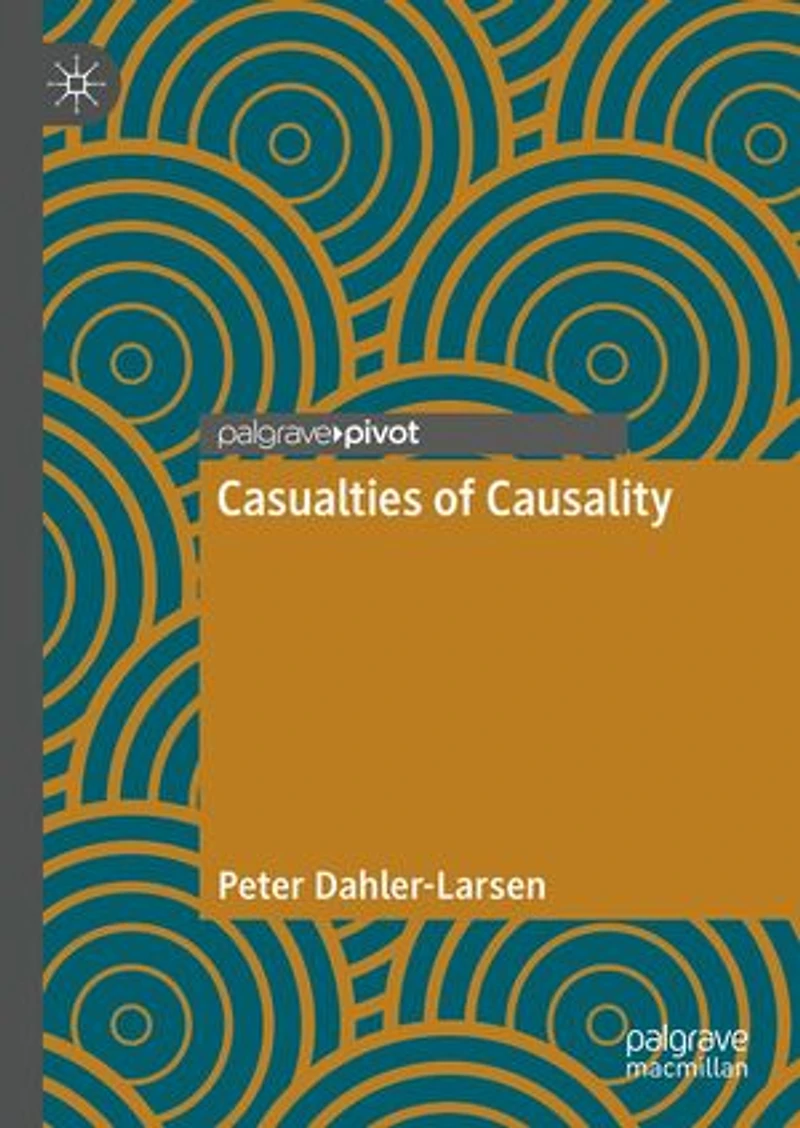
Casualties of Causality in Ottawa, ON
Current price: $72.95

Casualties of Causality in Ottawa, ON
Current price: $72.95
Loading Inventory...
Size: Hardcover
*Product information may vary - to confirm product availability, pricing, shipping and return information please contact Coles
This book offers a critique of the present status of the concept of causality in the social sciences. "The Causality Syndrome" consists of a belief in causal studies as more important than other studies, a narrow definition of causality, and rules of thumb regarding how to make causal claims. The book argues that the present dominance of this syndrome has considerable downsides and presents a challenge to social science. The book dissects the many interconnected ideas which undergird this syndrome and offers an intellectual home for advanced students, researchers and others who are concerned about the present dominance of The Causality Syndrome.
The book critically discusses whether "causality" deserves the central position in social science that its advocates desire. The text shows how methodological rules about causal inference are used to protect causal studies from critique, even in situations where these rules are not followed. It is arguedthat institutionalization of these rules as symbols of good and trustworthy social science is highly problematic and comes with a price. One of the casualties of causality is that there is less motivation to study complex and pressing issues in society which do not lend themselves to causal study designs.
The sections are short. The argument unfolds in a lively, engaged form with examples from many fields, including public health, evaluation and organizational studies. The case examples include classical experiments as well as contemporary research, e.g. studies of the effectiveness of restrictions targeting the spread of coronavirus.
This book offers a critique of the present status of the concept of causality in the social sciences. "The Causality Syndrome" consists of a belief in causal studies as more important than other studies, a narrow definition of causality, and rules of thumb regarding how to make causal claims. The book argues that the present dominance of this syndrome has considerable downsides and presents a challenge to social science. The book dissects the many interconnected ideas which undergird this syndrome and offers an intellectual home for advanced students, researchers and others who are concerned about the present dominance of The Causality Syndrome.
The book critically discusses whether "causality" deserves the central position in social science that its advocates desire. The text shows how methodological rules about causal inference are used to protect causal studies from critique, even in situations where these rules are not followed. It is arguedthat institutionalization of these rules as symbols of good and trustworthy social science is highly problematic and comes with a price. One of the casualties of causality is that there is less motivation to study complex and pressing issues in society which do not lend themselves to causal study designs.
The sections are short. The argument unfolds in a lively, engaged form with examples from many fields, including public health, evaluation and organizational studies. The case examples include classical experiments as well as contemporary research, e.g. studies of the effectiveness of restrictions targeting the spread of coronavirus.
You May Also Like














More About Coles at Bayshore Shopping Centre
Coles is renowned for its outstanding customer service and great selection of books. Along with the vast array of magazines, stationary, audio-books, children's literature, fiction, non-fiction and reference books, you can find accessories to make your reading experience more pleasurable. We can recommend the very best in reading today. We will help you search our titles for exactly what you need, and if we do not have it in stock, we will order it for you.
100 Bayshore Dr, Nepean, ON K2B 8C1, Canada
Find Coles at Bayshore Shopping Centre in Ottawa, ON
Visit Coles at Bayshore Shopping Centre in Ottawa, ON