

Give the Gift of Choice!
Too many options? Treat your friends and family to their favourite stores with a Bayshore Shopping Centre gift card, redeemable at participating retailers throughout the centre. Click below to purchase yours today!Purchase HereHome
Cellular Convergence and the Death of Privacy
Coles
Loading Inventory...
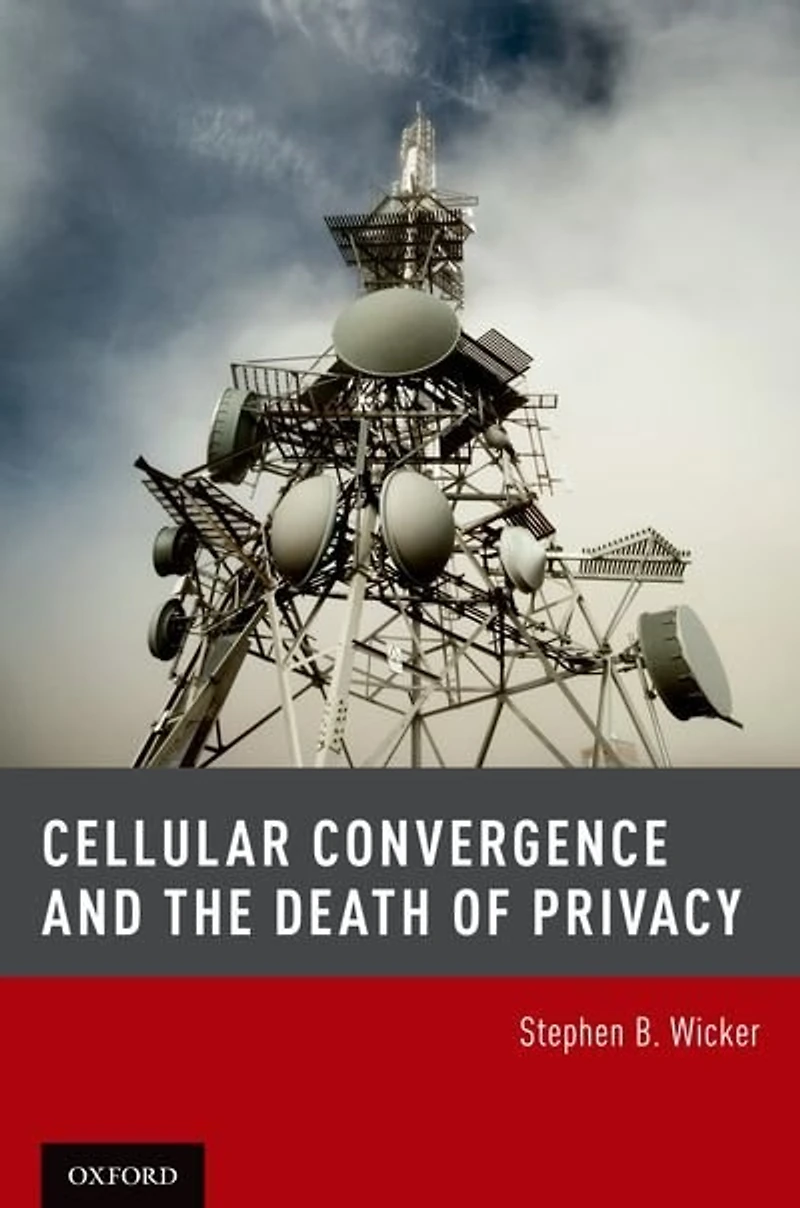
Cellular Convergence and the Death of Privacy in Ottawa, ON
By None
Current price: $99.95

By None
Cellular Convergence and the Death of Privacy in Ottawa, ON
Current price: $99.95
Loading Inventory...
Size: Hardcover
*Product information may vary - to confirm product availability, pricing, shipping and return information please contact Coles
Cellular technology has always been a surveillance technology, but "cellular convergence" - the growing trend for all forms of communication to consolidate onto the cellular handset - has dramatically increased the impact of that surveillance. In Cellular Convergence and the Death of Privacy, Stephen Wicker explores this unprecedented threat to privacy from three distinct but overlapping perspectives: the technical, the legal, and the social.
Professor Wicker first describes cellular technology and cellular surveillance using language accessible to non-specialists. He then examines current legislation and Supreme Court jurisprudence that form the framework for discussions about rights in the context of cellular surveillance. Lastly, he addresses the social impact of surveillance on individual users. The story he tells is one of a technology that is changing the face of politics and economics, but in ways that remain highly uncertain.
Cellular technology has always been a surveillance technology, but "cellular convergence" - the growing trend for all forms of communication to consolidate onto the cellular handset - has dramatically increased the impact of that surveillance. In Cellular Convergence and the Death of Privacy, Stephen Wicker explores this unprecedented threat to privacy from three distinct but overlapping perspectives: the technical, the legal, and the social.
Professor Wicker first describes cellular technology and cellular surveillance using language accessible to non-specialists. He then examines current legislation and Supreme Court jurisprudence that form the framework for discussions about rights in the context of cellular surveillance. Lastly, he addresses the social impact of surveillance on individual users. The story he tells is one of a technology that is changing the face of politics and economics, but in ways that remain highly uncertain.
You May Also Like













More About Coles at Bayshore Shopping Centre
Coles is renowned for its outstanding customer service and great selection of books. Along with the vast array of magazines, stationary, audio-books, children's literature, fiction, non-fiction and reference books, you can find accessories to make your reading experience more pleasurable. We can recommend the very best in reading today. We will help you search our titles for exactly what you need, and if we do not have it in stock, we will order it for you.
100 Bayshore Dr, Nepean, ON K2B 8C1, Canada
Find Coles at Bayshore Shopping Centre in Ottawa, ON
Visit Coles at Bayshore Shopping Centre in Ottawa, ON