

Give the Gift of Choice!
Too many options? Treat your friends and family to their favourite stores with a Bayshore Shopping Centre gift card, redeemable at participating retailers throughout the centre. Click below to purchase yours today!Purchase HereHome
Centering Gender in the Era of Digital and Green Transition: Intersectional Perspectives
Coles
Loading Inventory...
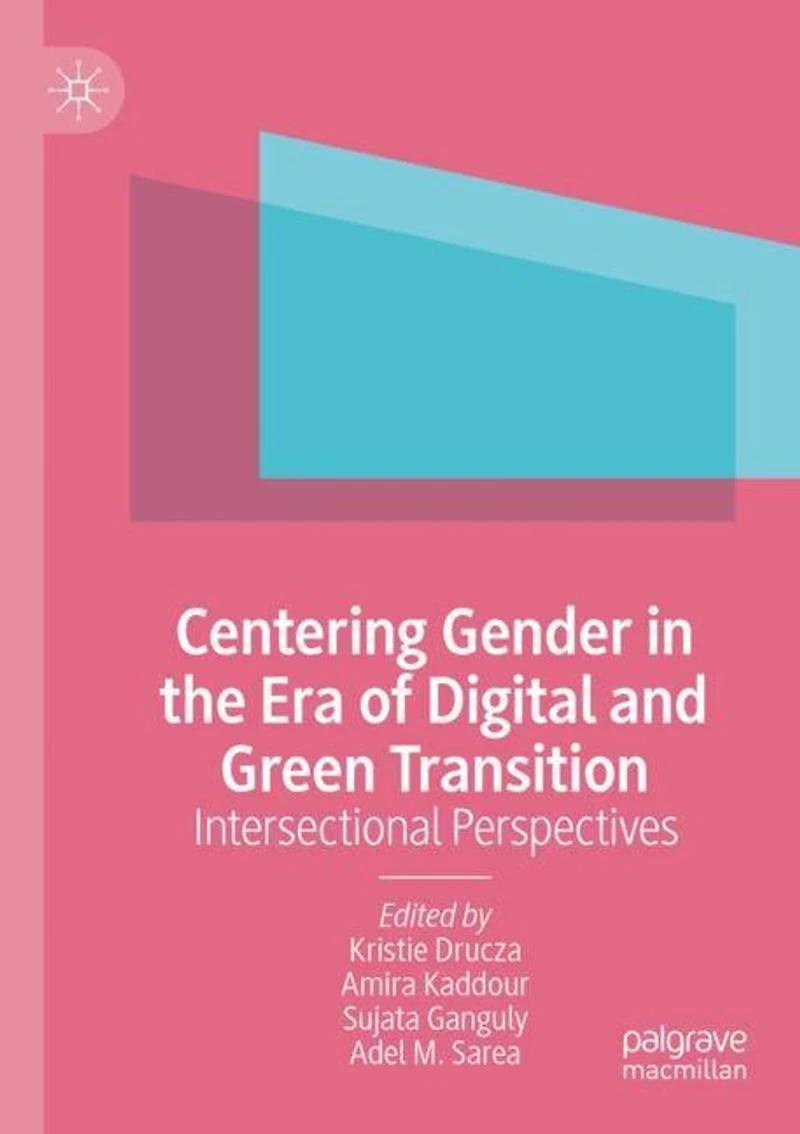
Centering Gender in the Era of Digital and Green Transition: Intersectional Perspectives in Ottawa, ON
Current price: $204.50

Centering Gender in the Era of Digital and Green Transition: Intersectional Perspectives in Ottawa, ON
Current price: $204.50
Loading Inventory...
Size: Paperback
*Product information may vary - to confirm product availability, pricing, shipping and return information please contact Coles
This edited volume examines the importance of centering gender in research and policymaking focused on climate change, environmental sustainability, and digital technology. Chapters unpack how the transition to a green and digital future affects various fields and industry sectors including STEM, agriculture, and energy, as well as why gender-transformative approaches-particularly the production and analysis of gender-inclusive disaggregated data-should be included in those transitions. The editors and authors also look at the positive impact of these considerations on economic growth and poverty eradication. Finally, this book presents an ideal/utopian view of what a gender-equal and inclusive world that has transitioned to green industries and embraced digital technologies might look like.
This book will be of interest to scholars, researchers, students and policymakers across the Social Sciences including Sociology, Anthropology, Gender Studies, Science & Technology Studies, and Economics.
This edited volume examines the importance of centering gender in research and policymaking focused on climate change, environmental sustainability, and digital technology. Chapters unpack how the transition to a green and digital future affects various fields and industry sectors including STEM, agriculture, and energy, as well as why gender-transformative approaches-particularly the production and analysis of gender-inclusive disaggregated data-should be included in those transitions. The editors and authors also look at the positive impact of these considerations on economic growth and poverty eradication. Finally, this book presents an ideal/utopian view of what a gender-equal and inclusive world that has transitioned to green industries and embraced digital technologies might look like.
This book will be of interest to scholars, researchers, students and policymakers across the Social Sciences including Sociology, Anthropology, Gender Studies, Science & Technology Studies, and Economics.
You May Also Like














More About Coles at Bayshore Shopping Centre
Coles is renowned for its outstanding customer service and great selection of books. Along with the vast array of magazines, stationary, audio-books, children's literature, fiction, non-fiction and reference books, you can find accessories to make your reading experience more pleasurable. We can recommend the very best in reading today. We will help you search our titles for exactly what you need, and if we do not have it in stock, we will order it for you.
100 Bayshore Dr, Nepean, ON K2B 8C1, Canada
Find Coles at Bayshore Shopping Centre in Ottawa, ON
Visit Coles at Bayshore Shopping Centre in Ottawa, ON