

Give the Gift of Choice!
Too many options? Treat your friends and family to their favourite stores with a Bayshore Shopping Centre gift card, redeemable at participating retailers throughout the centre. Click below to purchase yours today!Purchase HereHome
Changing Ethnicity: Contemporary Ethno-politics In China
Coles
Loading Inventory...
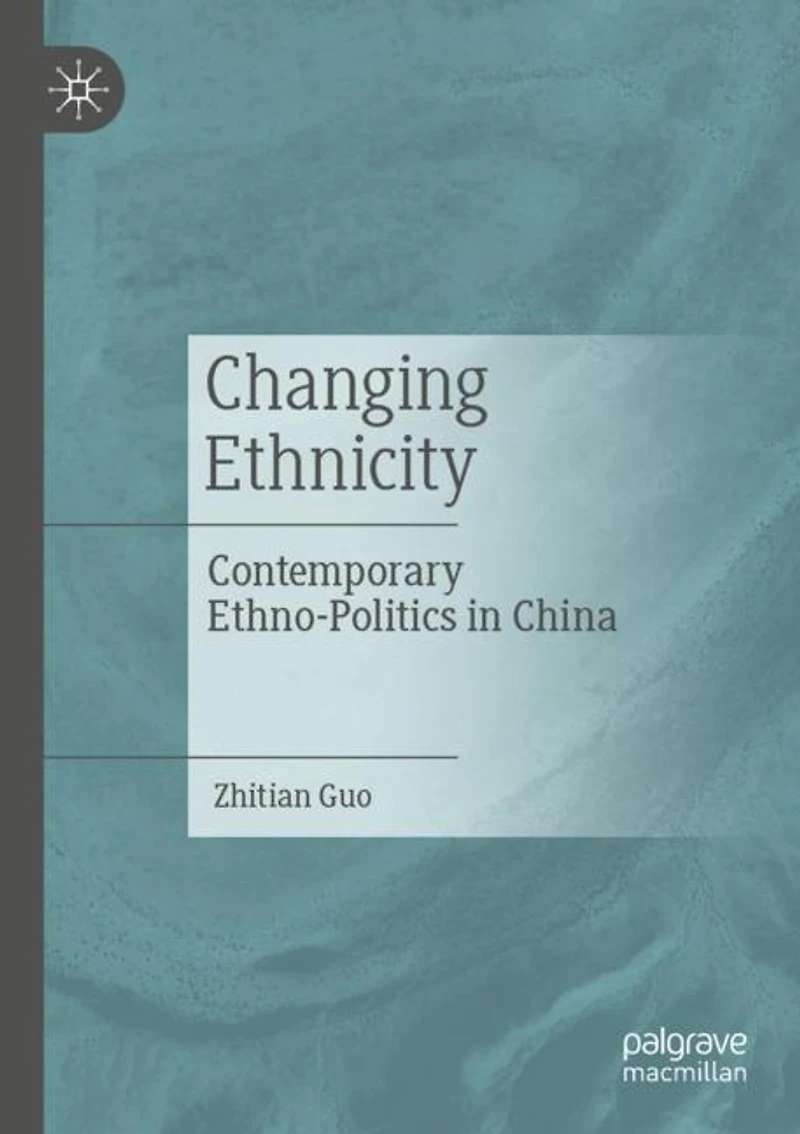
Changing Ethnicity: Contemporary Ethno-politics In China in Ottawa, ON
Current price: $80.50

Changing Ethnicity: Contemporary Ethno-politics In China in Ottawa, ON
Current price: $80.50
Loading Inventory...
Size: Paperback
*Product information may vary - to confirm product availability, pricing, shipping and return information please contact Coles
This book investigates the changes in ethnicity in contemporary China by examining the Yi in Liangshan. With a particular focus on cadres, a seemingly highly politicized group, this book tries to contribute to the discussion of ethnopolitics in China and the politicization of ethnicity. This study categorizes cadres into three generations and discovers that for the veteran echelon ethnicity is related to an emotional expression, for the second generation it is more about a political discourse and competitions, and for the third generation it takes the form of symbolic ethnicity that resonates in everyday life. Changing ethnicity of Yi is a miniature portrayal of the social development in China and demonstrates the interplay between ethnicity and ethnopolitics and how these interactions are expressed in people's everyday life.
The valuable context offered in this book for discussions about ethnicity in contemporary China will be of interest to China scholars, ethnologists, and political scientists.
This book investigates the changes in ethnicity in contemporary China by examining the Yi in Liangshan. With a particular focus on cadres, a seemingly highly politicized group, this book tries to contribute to the discussion of ethnopolitics in China and the politicization of ethnicity. This study categorizes cadres into three generations and discovers that for the veteran echelon ethnicity is related to an emotional expression, for the second generation it is more about a political discourse and competitions, and for the third generation it takes the form of symbolic ethnicity that resonates in everyday life. Changing ethnicity of Yi is a miniature portrayal of the social development in China and demonstrates the interplay between ethnicity and ethnopolitics and how these interactions are expressed in people's everyday life.
The valuable context offered in this book for discussions about ethnicity in contemporary China will be of interest to China scholars, ethnologists, and political scientists.
You May Also Like







More About Coles at Bayshore Shopping Centre
Coles is renowned for its outstanding customer service and great selection of books. Along with the vast array of magazines, stationary, audio-books, children's literature, fiction, non-fiction and reference books, you can find accessories to make your reading experience more pleasurable. We can recommend the very best in reading today. We will help you search our titles for exactly what you need, and if we do not have it in stock, we will order it for you.
100 Bayshore Dr, Nepean, ON K2B 8C1, Canada
Find Coles at Bayshore Shopping Centre in Ottawa, ON
Visit Coles at Bayshore Shopping Centre in Ottawa, ON