

Give the Gift of Choice!
Too many options? Treat your friends and family to their favourite stores with a Bayshore Shopping Centre gift card, redeemable at participating retailers throughout the centre. Click below to purchase yours today!Purchase HereHome
Charles H. Traub: Skid Row
Coles
Loading Inventory...
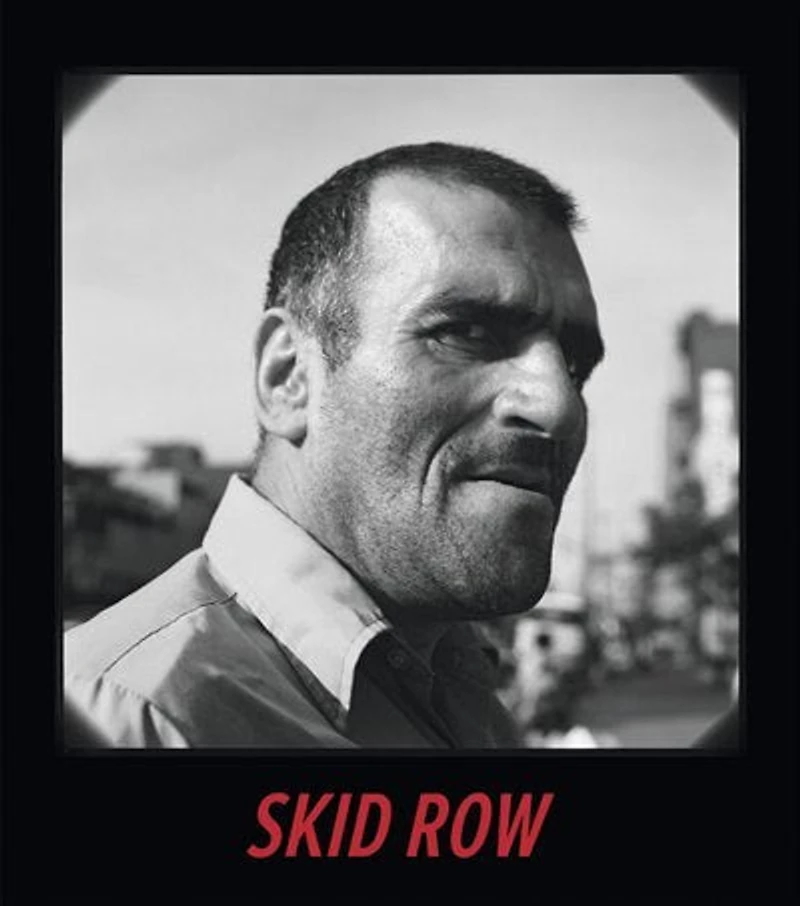
Charles H. Traub: Skid Row in Ottawa, ON
Current price: $69.95

Charles H. Traub: Skid Row in Ottawa, ON
Current price: $69.95
Loading Inventory...
Size: Hardcover
*Product information may vary - to confirm product availability, pricing, shipping and return information please contact Coles
These on-the-spot portraits of “the fallen”—the homeless of late 1970s New York and Chicago—were taken by New York–based photographer Charles H. Traub (born 1945) to reveal the dignity and unexamined humanity of those who were once intrinsic to the urban experience of American cities. In Traub’s own words: “It is my hope that these photographs of the tenants of the streets of uptown Chicago and the Bowery New York serve as a tribute to the grace of the ‘down and out.’”
Indifference and gentrification have displaced those who once inhabited the shelters that nurtured them. They were known to their neighbors by their names, eccentricities and their plight. Nelson Algren’s famous book A Walk on the Wild Side asks why “lost people sometimes develop to greater human beings than those who have never been lost in their lives”; Traub’s Skid Row confirms both this idea and these inhabitants’ place in the fabric of the city.
These on-the-spot portraits of “the fallen”—the homeless of late 1970s New York and Chicago—were taken by New York–based photographer Charles H. Traub (born 1945) to reveal the dignity and unexamined humanity of those who were once intrinsic to the urban experience of American cities. In Traub’s own words: “It is my hope that these photographs of the tenants of the streets of uptown Chicago and the Bowery New York serve as a tribute to the grace of the ‘down and out.’”
Indifference and gentrification have displaced those who once inhabited the shelters that nurtured them. They were known to their neighbors by their names, eccentricities and their plight. Nelson Algren’s famous book A Walk on the Wild Side asks why “lost people sometimes develop to greater human beings than those who have never been lost in their lives”; Traub’s Skid Row confirms both this idea and these inhabitants’ place in the fabric of the city.
You May Also Like



![The Autobiography Of Charles H. Spurgeon Compiled From His Diary, Letters: And Records By Wife Private Secretary [rev. W.j. Harrald]; Volume 3](https://cdn.mall.adeptmind.ai/https%253A%252F%252Fcdn.shopify.com%252Fs%252Ffiles%252F1%252F0655%252F8980%252F5233%252Ffiles%252F1_f353f0bd-ad27-488d-a4fa-8c8c2e155525.jpg_medium.webp)












More About Coles at Bayshore Shopping Centre
Coles is renowned for its outstanding customer service and great selection of books. Along with the vast array of magazines, stationary, audio-books, children's literature, fiction, non-fiction and reference books, you can find accessories to make your reading experience more pleasurable. We can recommend the very best in reading today. We will help you search our titles for exactly what you need, and if we do not have it in stock, we will order it for you.
100 Bayshore Dr, Nepean, ON K2B 8C1, Canada
Find Coles at Bayshore Shopping Centre in Ottawa, ON
Visit Coles at Bayshore Shopping Centre in Ottawa, ON