

Give the Gift of Choice!
Too many options? Treat your friends and family to their favourite stores with a Bayshore Shopping Centre gift card, redeemable at participating retailers throughout the centre. Click below to purchase yours today!Purchase HereHome
Children in slave families
Coles
Loading Inventory...
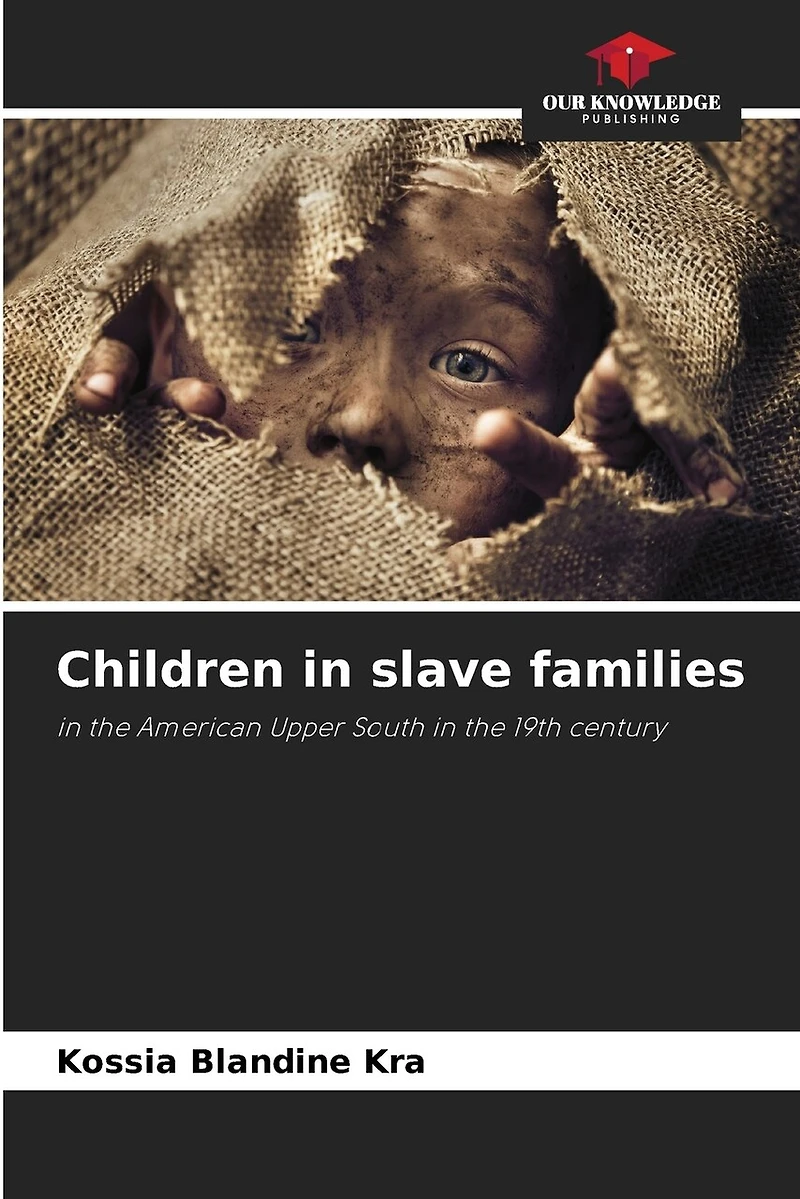
Children in slave families in Ottawa, ON
Current price: $61.50

Children in slave families in Ottawa, ON
Current price: $61.50
Loading Inventory...
Size: Paperback
*Product information may vary - to confirm product availability, pricing, shipping and return information please contact Coles
The slave system of the American South in the 19th century, favored the socialization of blacks through family constructions. Although it had no legal existence because of the social status of blacks, the family was for the black slave a model of social stability and a means of owning property (wife and child) in a world where no rights were recognized.In the 19th century, the vast majority of slaves were born to slave parents and lived in slave families. The present study sʾintéresse à la vie sociale et au quotidien des enfants nés des unions entre esclaves dans le Haut-Sud des États-Unis au XIXe siècle. It is based on autobiographical testimonies and accounts by former slaves. Lʾanalyse de la documentation présente le rôle de la famille dans la vie et le quotidien de lʾenfant esclave ainsi que le caractère fragile des liens familiaux en raison des séparations. Also the type of education granted to the lʾenfant and the people involved in his upbringing.
The slave system of the American South in the 19th century, favored the socialization of blacks through family constructions. Although it had no legal existence because of the social status of blacks, the family was for the black slave a model of social stability and a means of owning property (wife and child) in a world where no rights were recognized.In the 19th century, the vast majority of slaves were born to slave parents and lived in slave families. The present study sʾintéresse à la vie sociale et au quotidien des enfants nés des unions entre esclaves dans le Haut-Sud des États-Unis au XIXe siècle. It is based on autobiographical testimonies and accounts by former slaves. Lʾanalyse de la documentation présente le rôle de la famille dans la vie et le quotidien de lʾenfant esclave ainsi que le caractère fragile des liens familiaux en raison des séparations. Also the type of education granted to the lʾenfant and the people involved in his upbringing.
You May Also Like







More About Coles at Bayshore Shopping Centre
Coles is renowned for its outstanding customer service and great selection of books. Along with the vast array of magazines, stationary, audio-books, children's literature, fiction, non-fiction and reference books, you can find accessories to make your reading experience more pleasurable. We can recommend the very best in reading today. We will help you search our titles for exactly what you need, and if we do not have it in stock, we will order it for you.
100 Bayshore Dr, Nepean, ON K2B 8C1, Canada
Find Coles at Bayshore Shopping Centre in Ottawa, ON
Visit Coles at Bayshore Shopping Centre in Ottawa, ON