

Give the Gift of Choice!
Too many options? Treat your friends and family to their favourite stores with a Bayshore Shopping Centre gift card, redeemable at participating retailers throughout the centre. Click below to purchase yours today!Purchase HereHome
China and International Norms: Evidence from the Belt Road Initiative
Coles
Loading Inventory...
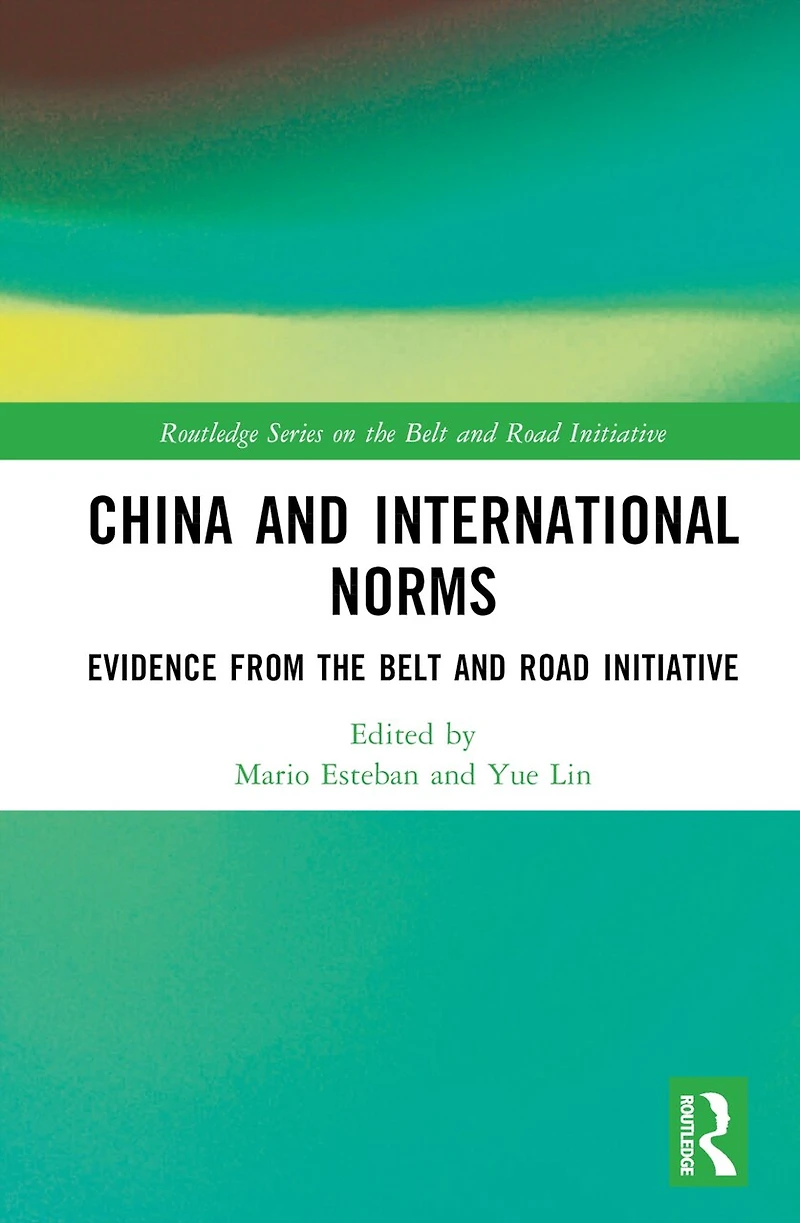
China and International Norms: Evidence from the Belt Road Initiative in Ottawa, ON
Current price: $346.50

China and International Norms: Evidence from the Belt Road Initiative in Ottawa, ON
Current price: $346.50
Loading Inventory...
Size: Hardcover
*Product information may vary - to confirm product availability, pricing, shipping and return information please contact Coles
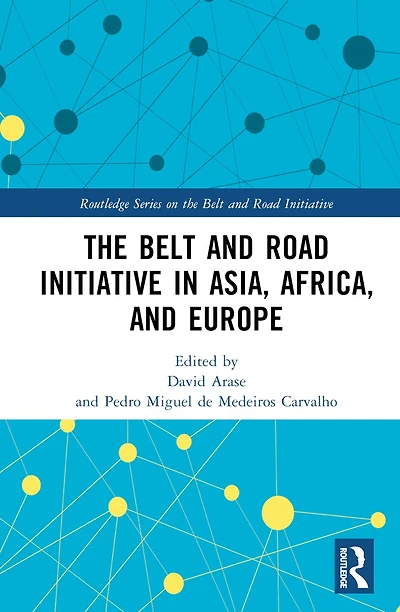
This book explores the relationship between China and international norms through the lens of The Belt and Road Initiative (BRI). Presenting seven case studies, this book highlights China's stances toward international norms that govern different international issues. The case studies reveal that the normative function of the networks built under the BRI is limited and contains noticeable variations between domestic norms and international ones in China, resulting in implementation gaps between rhetoric and deeds. Unlike current literature on this issue, which is scattered in terms of topics covered and methodology used, it constructs a holistic theoretical/methodological framework which can be utilized to study a State's position toward different international standards. In light of China's increasing international influence and proactive and assertive foreign policy, this study will be of interest to officials and practitioners involved in foreign policy and international cooperation, and to student and scholars of global development and international relations.
This book explores the relationship between China and international norms through the lens of The Belt and Road Initiative (BRI). Presenting seven case studies, this book highlights China's stances toward international norms that govern different international issues. The case studies reveal that the normative function of the networks built under the BRI is limited and contains noticeable variations between domestic norms and international ones in China, resulting in implementation gaps between rhetoric and deeds. Unlike current literature on this issue, which is scattered in terms of topics covered and methodology used, it constructs a holistic theoretical/methodological framework which can be utilized to study a State's position toward different international standards. In light of China's increasing international influence and proactive and assertive foreign policy, this study will be of interest to officials and practitioners involved in foreign policy and international cooperation, and to student and scholars of global development and international relations.
You May Also Like







More About Coles at Bayshore Shopping Centre
Coles is renowned for its outstanding customer service and great selection of books. Along with the vast array of magazines, stationary, audio-books, children's literature, fiction, non-fiction and reference books, you can find accessories to make your reading experience more pleasurable. We can recommend the very best in reading today. We will help you search our titles for exactly what you need, and if we do not have it in stock, we will order it for you.
100 Bayshore Dr, Nepean, ON K2B 8C1, Canada
Find Coles at Bayshore Shopping Centre in Ottawa, ON
Visit Coles at Bayshore Shopping Centre in Ottawa, ON