

Give the Gift of Choice!
Too many options? Treat your friends and family to their favourite stores with a Bayshore Shopping Centre gift card, redeemable at participating retailers throughout the centre. Click below to purchase yours today!Purchase HereHome
China as a Double-Bind Regulatory State: How Internet Regulators' Predicament Produces Regulatees' Autonomy
Coles
Loading Inventory...
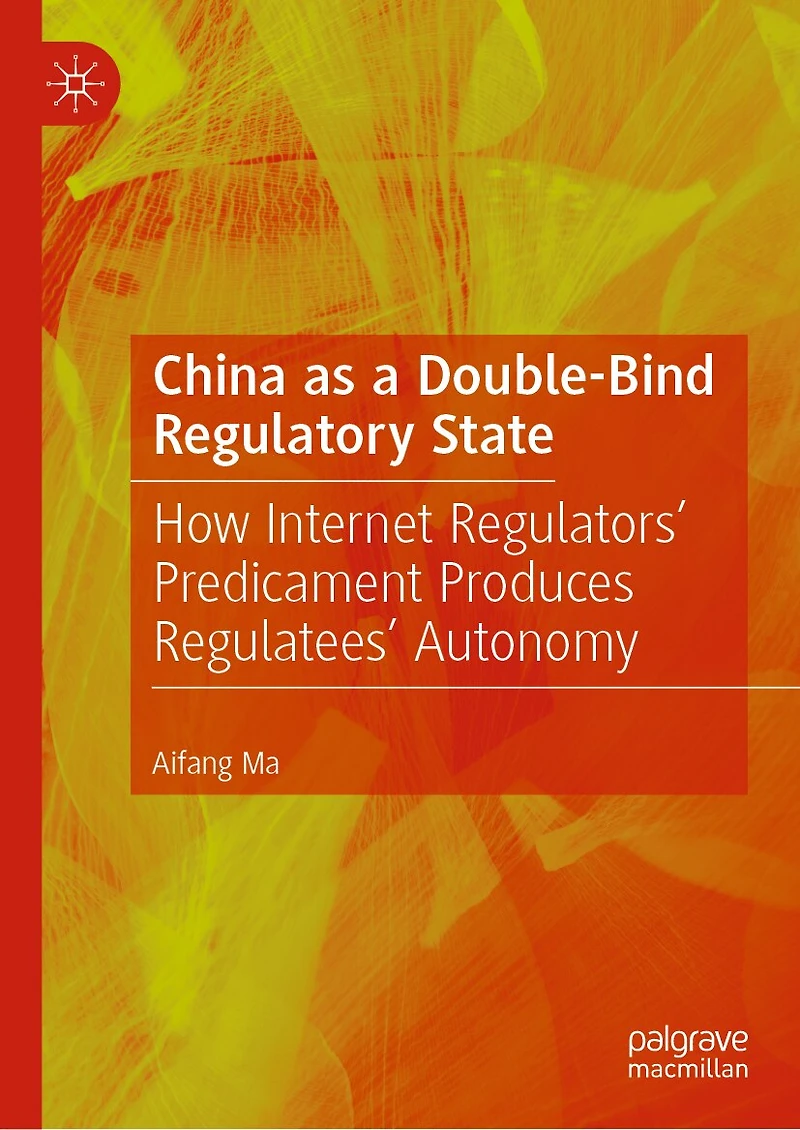
China as a Double-Bind Regulatory State: How Internet Regulators' Predicament Produces Regulatees' Autonomy in Ottawa, ON
By None
Current price: $189.95

By None
China as a Double-Bind Regulatory State: How Internet Regulators' Predicament Produces Regulatees' Autonomy in Ottawa, ON
Current price: $189.95
Loading Inventory...
Size: Hardcover
*Product information may vary - to confirm product availability, pricing, shipping and return information please contact Coles
This book explores the dynamics of the Chinese regulation of internet firms. Sitting at the crossroad of regulation studies, communication studies, political economy, and the social movements, it conceptualises China as a "double-bind regulatory state", defined as a two-step autonomy-enabling process. First, the party-state's pursuit of competiting objectives creates a predicament for regulators. In the second step, private internet firms consciously exploit regulators' predicament to enlarge their maneuvering room. The approach of "double-bind regulatory state" challenges some current academic accounts that exaggerate the capacity of the Chinese party-state to establish seamless control. This book is of interest to scholars of Chinese politics, digital law, political economy, and more.
This book explores the dynamics of the Chinese regulation of internet firms. Sitting at the crossroad of regulation studies, communication studies, political economy, and the social movements, it conceptualises China as a "double-bind regulatory state", defined as a two-step autonomy-enabling process. First, the party-state's pursuit of competiting objectives creates a predicament for regulators. In the second step, private internet firms consciously exploit regulators' predicament to enlarge their maneuvering room. The approach of "double-bind regulatory state" challenges some current academic accounts that exaggerate the capacity of the Chinese party-state to establish seamless control. This book is of interest to scholars of Chinese politics, digital law, political economy, and more.
You May Also Like

















More About Coles at Bayshore Shopping Centre
Coles is renowned for its outstanding customer service and great selection of books. Along with the vast array of magazines, stationary, audio-books, children's literature, fiction, non-fiction and reference books, you can find accessories to make your reading experience more pleasurable. We can recommend the very best in reading today. We will help you search our titles for exactly what you need, and if we do not have it in stock, we will order it for you.
100 Bayshore Dr, Nepean, ON K2B 8C1, Canada
Find Coles at Bayshore Shopping Centre in Ottawa, ON
Visit Coles at Bayshore Shopping Centre in Ottawa, ON