

Give the Gift of Choice!
Too many options? Treat your friends and family to their favourite stores with a Bayshore Shopping Centre gift card, redeemable at participating retailers throughout the centre. Click below to purchase yours today!Purchase HereHome
China on the Sea: How Maritime World Shaped Modern
Coles
Loading Inventory...
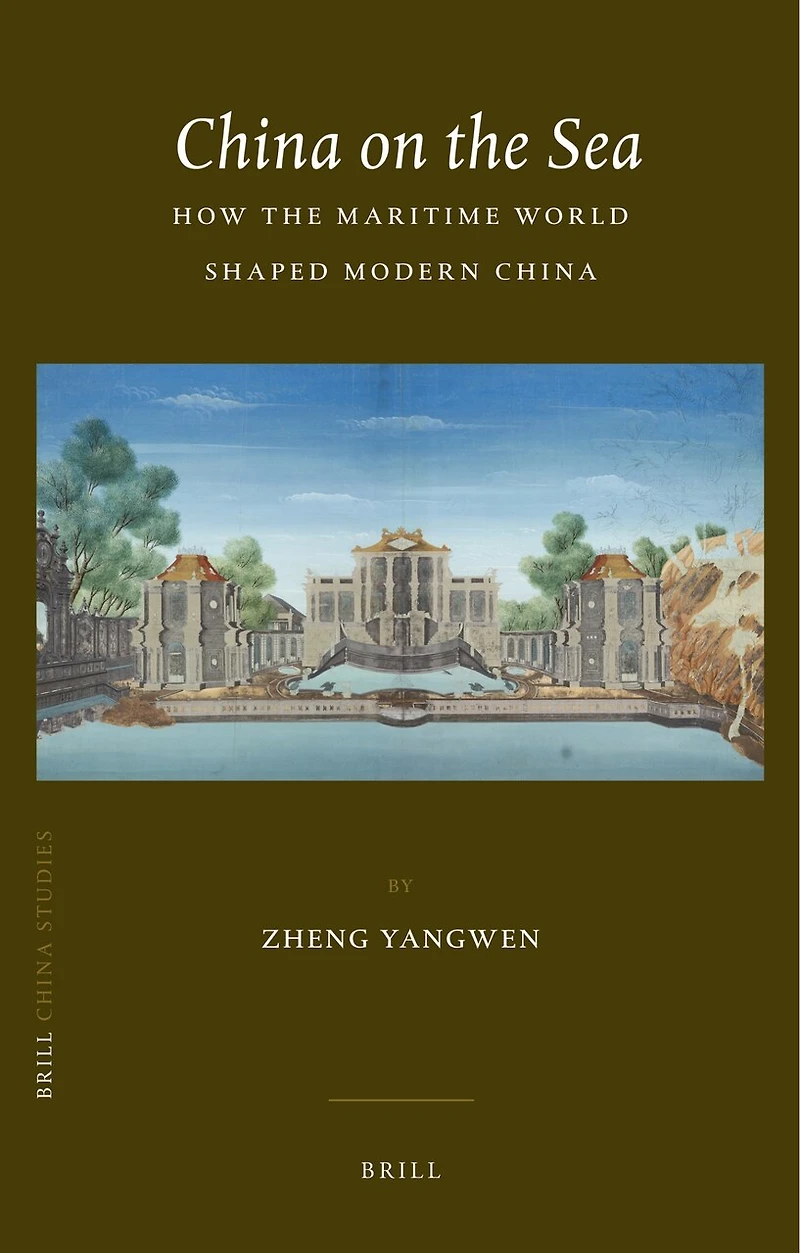
China on the Sea: How Maritime World Shaped Modern in Ottawa, ON
Current price: $281.99

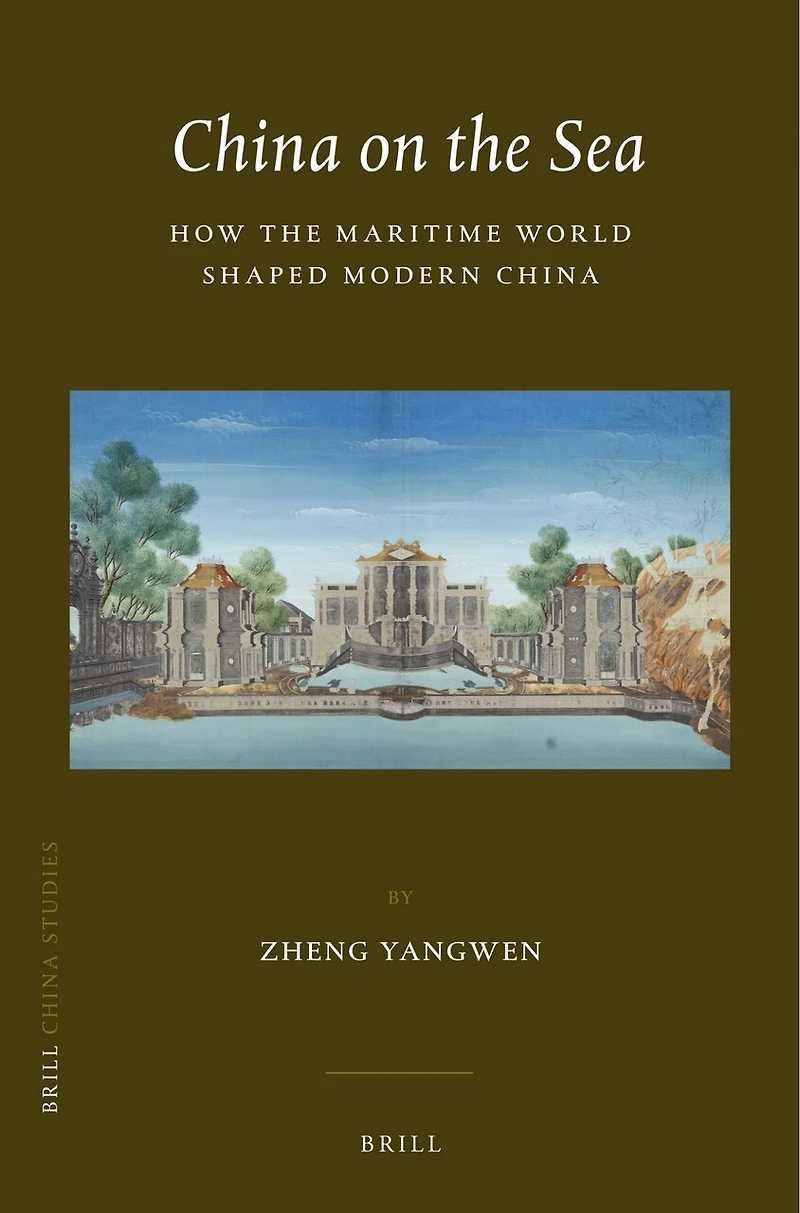
China on the Sea: How Maritime World Shaped Modern in Ottawa, ON
Current price: $281.99
Loading Inventory...
Size: Hardcover
*Product information may vary - to confirm product availability, pricing, shipping and return information please contact Coles
Generations of Chinese scholars have made China synonymous with the Great Wall and presented its civilization as fundamentally land-bound. This volume challenges this perspective, demonstrating that China was not a “Walled Kingdom”, certainly not since the Yongjia Disturbance in 311. China reached out to the maritime world far more actively than historians have acknowledged, while the seas and what came from the seas—from Islam, fragrances and Jesuits to maize, opium and clocks—significantly changed the course of history, and have been of inestimable importance to China since the Ming. This book integrates the maritime history of China, especially the Qing period, a subject which has hitherto languished on the periphery of scholarly analysis, into the mainstream of current historical narrative. It was the seas that made Tang China a “Cosmopolitan Empire” (Mark Lewis), the Song dynasty China’s “Greatest Age” (John Fairbank), China at 1600 “the largest and most sophisticated of all unified realms on earth” (Jonathan Spence), and the reign of the three Qing emperors (Kangxi, Yongzheng and Qianlong) China’s “last golden age” (Charles Hucker).
Generations of Chinese scholars have made China synonymous with the Great Wall and presented its civilization as fundamentally land-bound. This volume challenges this perspective, demonstrating that China was not a “Walled Kingdom”, certainly not since the Yongjia Disturbance in 311. China reached out to the maritime world far more actively than historians have acknowledged, while the seas and what came from the seas—from Islam, fragrances and Jesuits to maize, opium and clocks—significantly changed the course of history, and have been of inestimable importance to China since the Ming. This book integrates the maritime history of China, especially the Qing period, a subject which has hitherto languished on the periphery of scholarly analysis, into the mainstream of current historical narrative. It was the seas that made Tang China a “Cosmopolitan Empire” (Mark Lewis), the Song dynasty China’s “Greatest Age” (John Fairbank), China at 1600 “the largest and most sophisticated of all unified realms on earth” (Jonathan Spence), and the reign of the three Qing emperors (Kangxi, Yongzheng and Qianlong) China’s “last golden age” (Charles Hucker).
You May Also Like







More About Coles at Bayshore Shopping Centre
Coles is renowned for its outstanding customer service and great selection of books. Along with the vast array of magazines, stationary, audio-books, children's literature, fiction, non-fiction and reference books, you can find accessories to make your reading experience more pleasurable. We can recommend the very best in reading today. We will help you search our titles for exactly what you need, and if we do not have it in stock, we will order it for you.
100 Bayshore Dr, Nepean, ON K2B 8C1, Canada
Find Coles at Bayshore Shopping Centre in Ottawa, ON
Visit Coles at Bayshore Shopping Centre in Ottawa, ON