

Give the Gift of Choice!
Too many options? Treat your friends and family to their favourite stores with a Bayshore Shopping Centre gift card, redeemable at participating retailers throughout the centre. Click below to purchase yours today!Purchase HereHome
China-US Rivalry and Regional Reordering Latin America the Caribbean
Coles
Loading Inventory...
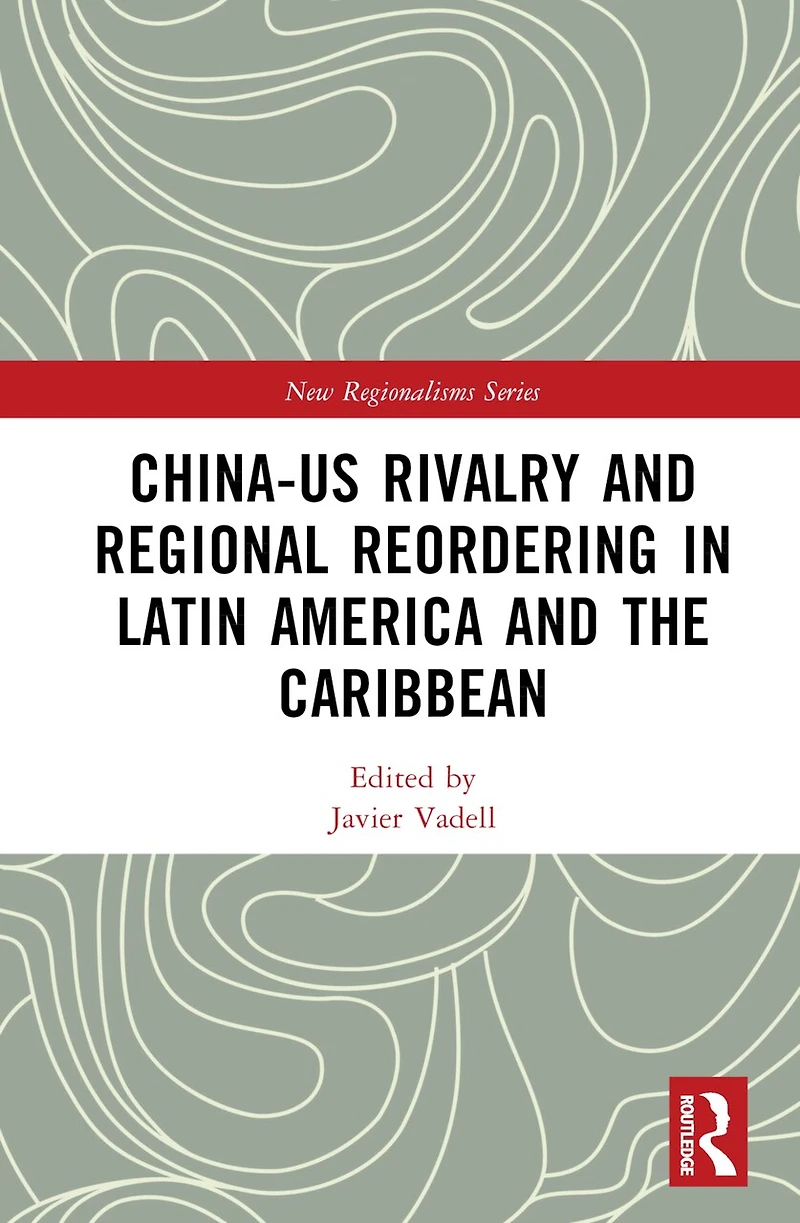
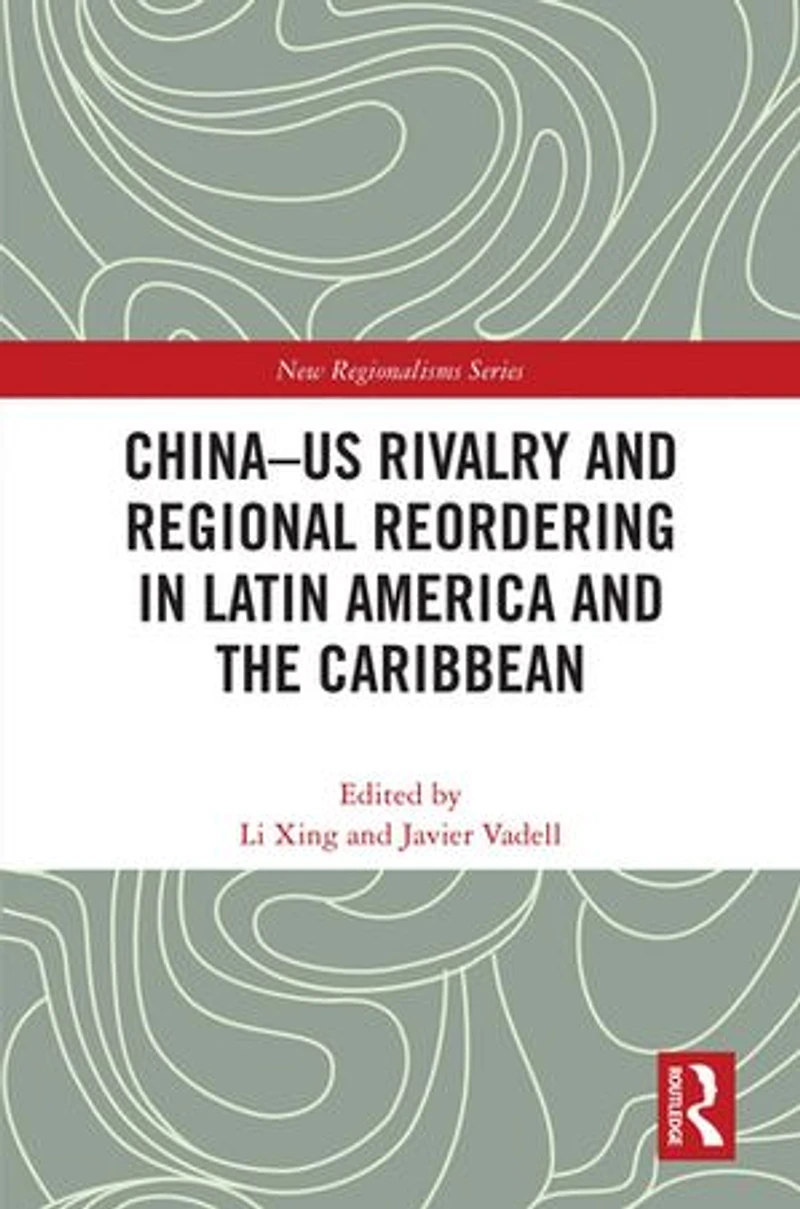
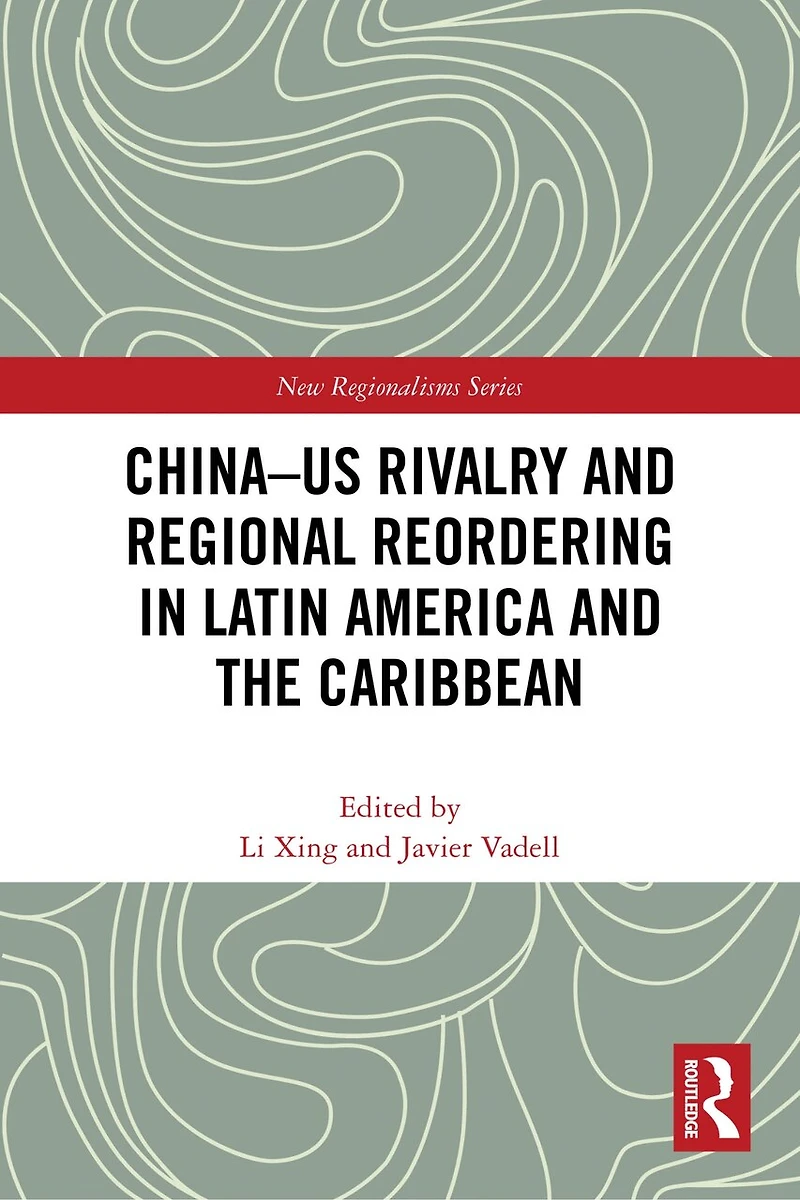
China-US Rivalry and Regional Reordering Latin America the Caribbean in Ottawa, ON
Current price: $296.50

China-US Rivalry and Regional Reordering Latin America the Caribbean in Ottawa, ON
Current price: $296.50
Loading Inventory...
Size: Hardcover
*Product information may vary - to confirm product availability, pricing, shipping and return information please contact Coles
This book provides a comprehensive, conceptual and analytical framework for understanding the reordering process in the Latin American and Caribbean (LAC) region, driven and shaped by China-US rivalry. It demonstrates the differences between China-US, China-LAC and US-LAC relations and questions to what extent the LAC region can be considered a unified actor. Exploring broad perspectives such as global governance, international institutions, trade, security policy, climate change, multilateralism and regional and global peace and stability, the contributors also consider China's Belt and Road Initiative, the Community of Latin American and Caribbean States (CELAC) and "minilateral" cooperation, sustainable development and business and the role of soft power, such as tourism and education in China-LAC relations. This timely and important contribution analyzing the changing regional order in the LAC region brought about by China's global rise and increasing hegemonic competition with the US will appeal to scholars and student of international relations, international political economy, and security studies.
This book provides a comprehensive, conceptual and analytical framework for understanding the reordering process in the Latin American and Caribbean (LAC) region, driven and shaped by China-US rivalry. It demonstrates the differences between China-US, China-LAC and US-LAC relations and questions to what extent the LAC region can be considered a unified actor. Exploring broad perspectives such as global governance, international institutions, trade, security policy, climate change, multilateralism and regional and global peace and stability, the contributors also consider China's Belt and Road Initiative, the Community of Latin American and Caribbean States (CELAC) and "minilateral" cooperation, sustainable development and business and the role of soft power, such as tourism and education in China-LAC relations. This timely and important contribution analyzing the changing regional order in the LAC region brought about by China's global rise and increasing hegemonic competition with the US will appeal to scholars and student of international relations, international political economy, and security studies.
You May Also Like








More About Coles at Bayshore Shopping Centre
Coles is renowned for its outstanding customer service and great selection of books. Along with the vast array of magazines, stationary, audio-books, children's literature, fiction, non-fiction and reference books, you can find accessories to make your reading experience more pleasurable. We can recommend the very best in reading today. We will help you search our titles for exactly what you need, and if we do not have it in stock, we will order it for you.
100 Bayshore Dr, Nepean, ON K2B 8C1, Canada
Find Coles at Bayshore Shopping Centre in Ottawa, ON
Visit Coles at Bayshore Shopping Centre in Ottawa, ON