

Give the Gift of Choice!
Too many options? Treat your friends and family to their favourite stores with a Bayshore Shopping Centre gift card, redeemable at participating retailers throughout the centre. Click below to purchase yours today!Purchase HereHome
China's State Ideology and The Three Gorges Dam: Political Theodicy of Development
Coles
Loading Inventory...
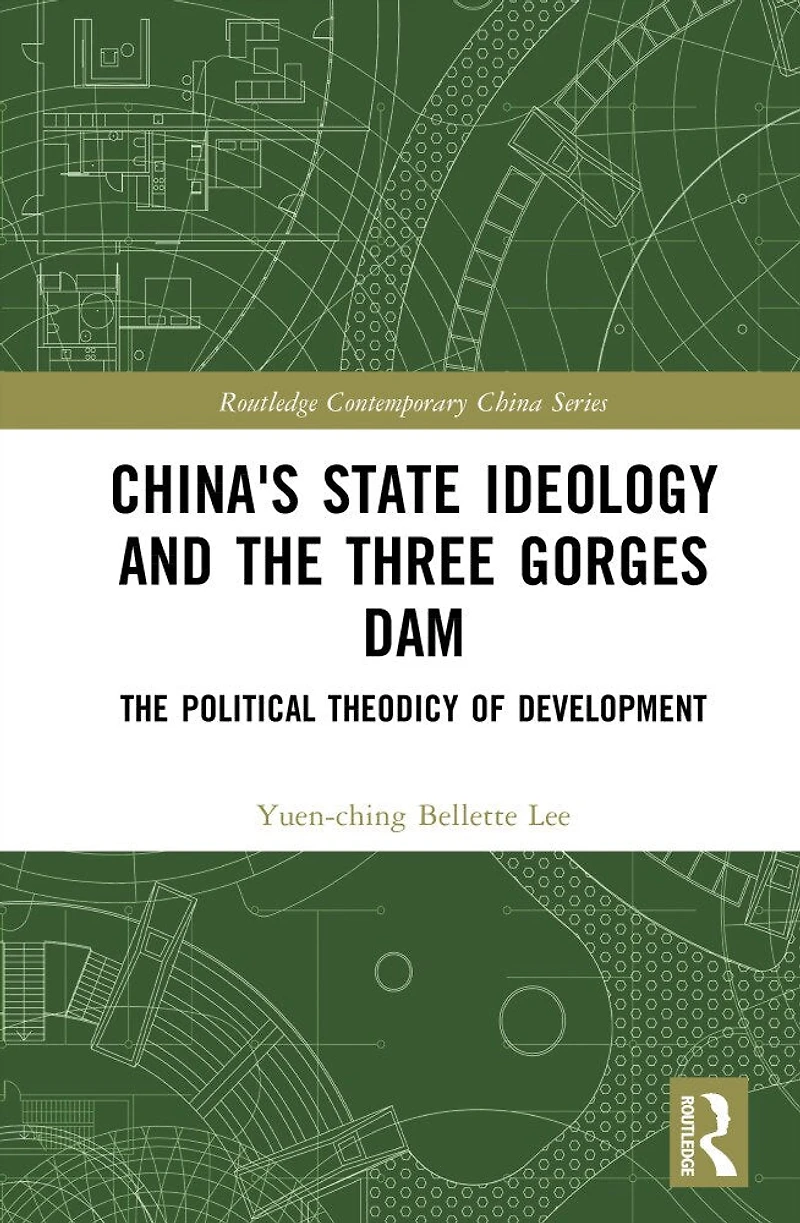
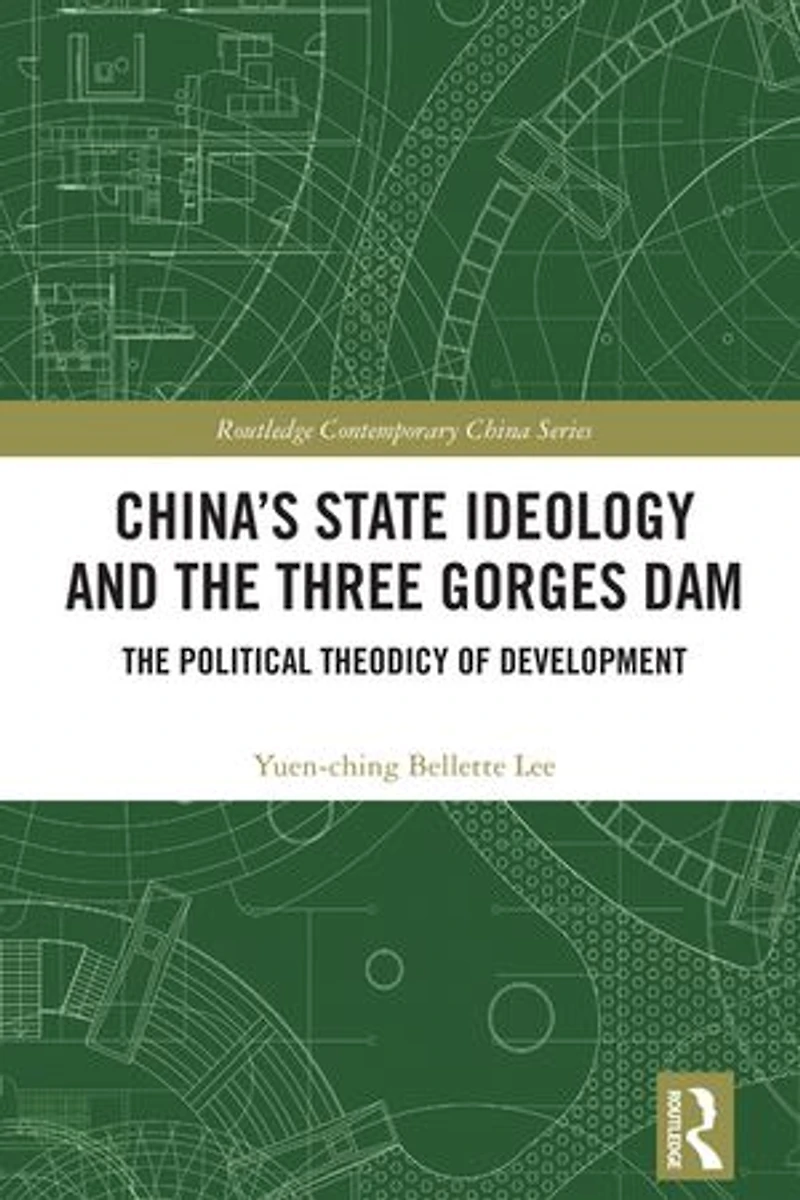
China's State Ideology and The Three Gorges Dam: Political Theodicy of Development in Ottawa, ON
Current price: $296.50

China's State Ideology and The Three Gorges Dam: Political Theodicy of Development in Ottawa, ON
Current price: $296.50
Loading Inventory...
Size: Hardcover
*Product information may vary - to confirm product availability, pricing, shipping and return information please contact Coles
This book uses the case of the Three Gorges Dam project to explore the Chinese state's use of ideology, namely the political theodicy of development, as a governing tactic in the reform era. Presenting observations from fieldwork collected after the dam's completion, it reveals communities who not only embraced their improved livelihoods, but also expressed support for the mega-project and the Party's leadership. However, the research also indicates that the effects of the ideological dissemination surrounding the project were not monolithic, with the development process involving extensive struggles and contradictions, including locals facing unemployment and the fragmentation of their social networks. This disjuncture between the state ideology and social reality thus revealed flaws in the official imperative of political theodicy. Displaying how the authoritarian rule of the Chinese state can be adaptive in modifying its mode of governance, especially when faced with the unintended consequences of failures, this book will be a valuable resource to students and scholars of Asian environment, development politics, and Chinese politics, history and society.
This book uses the case of the Three Gorges Dam project to explore the Chinese state's use of ideology, namely the political theodicy of development, as a governing tactic in the reform era. Presenting observations from fieldwork collected after the dam's completion, it reveals communities who not only embraced their improved livelihoods, but also expressed support for the mega-project and the Party's leadership. However, the research also indicates that the effects of the ideological dissemination surrounding the project were not monolithic, with the development process involving extensive struggles and contradictions, including locals facing unemployment and the fragmentation of their social networks. This disjuncture between the state ideology and social reality thus revealed flaws in the official imperative of political theodicy. Displaying how the authoritarian rule of the Chinese state can be adaptive in modifying its mode of governance, especially when faced with the unintended consequences of failures, this book will be a valuable resource to students and scholars of Asian environment, development politics, and Chinese politics, history and society.
You May Also Like







More About Coles at Bayshore Shopping Centre
Coles is renowned for its outstanding customer service and great selection of books. Along with the vast array of magazines, stationary, audio-books, children's literature, fiction, non-fiction and reference books, you can find accessories to make your reading experience more pleasurable. We can recommend the very best in reading today. We will help you search our titles for exactly what you need, and if we do not have it in stock, we will order it for you.
100 Bayshore Dr, Nepean, ON K2B 8C1, Canada
Find Coles at Bayshore Shopping Centre in Ottawa, ON
Visit Coles at Bayshore Shopping Centre in Ottawa, ON