

Give the Gift of Choice!
Too many options? Treat your friends and family to their favourite stores with a Bayshore Shopping Centre gift card, redeemable at participating retailers throughout the centre. Click below to purchase yours today!Purchase HereHome
China's Wars: The Politics and Diplomacy Behind its Military Coercion
Coles
Loading Inventory...
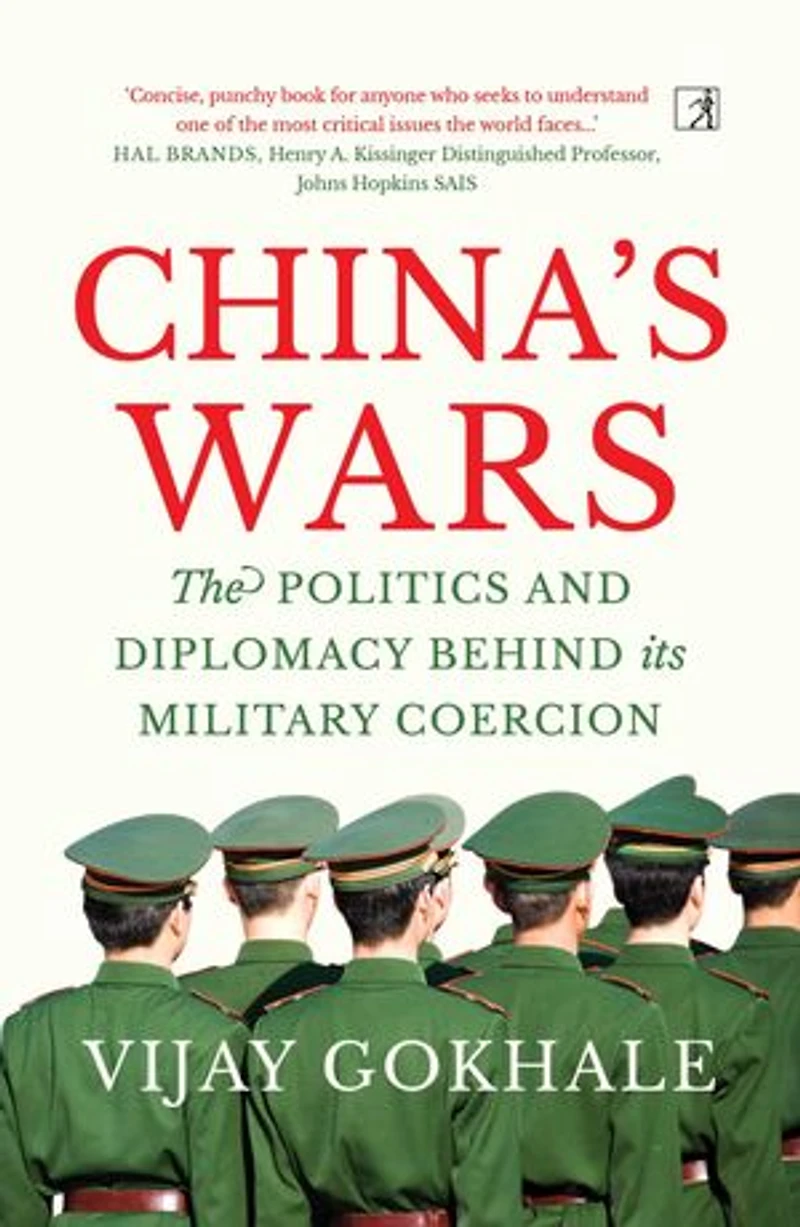
China's Wars: The Politics and Diplomacy Behind its Military Coercion in Ottawa, ON
Current price: $11.99

China's Wars: The Politics and Diplomacy Behind its Military Coercion in Ottawa, ON
Current price: $11.99
Loading Inventory...
Size: Kobo eBook
*Product information may vary - to confirm product availability, pricing, shipping and return information please contact Coles
The People’s Republic of China has engaged in military coercion or grey-zone wars with several major powers and neighbours since 1949. Portraying itself always as the victim of aggression, it holds adversaries responsible for provoking conflict by trampling on China’s national security and, thus, compelling it to retaliate in self defence. Its ability to achieve political objectives even with more powerful adversaries while absolving itself of blame and justifying the use of force, makes it formidable to deal with.
This book explores the complex factors that shape China’s decisions to deploy force by delving into its politics, diplomacy and military thinking, as well as the tools that it uses to craft favourable narratives, through specific case-studies from the 1950s till current times. It is intended to uncover the politics and diplomacy behind China’s coercive behaviour and to identify possible patterns in their decision-making process that might be useful to practitioners, strategists or researchers who study why and when China might, in the future, engage in military coercion or conflict.
The People’s Republic of China has engaged in military coercion or grey-zone wars with several major powers and neighbours since 1949. Portraying itself always as the victim of aggression, it holds adversaries responsible for provoking conflict by trampling on China’s national security and, thus, compelling it to retaliate in self defence. Its ability to achieve political objectives even with more powerful adversaries while absolving itself of blame and justifying the use of force, makes it formidable to deal with.
This book explores the complex factors that shape China’s decisions to deploy force by delving into its politics, diplomacy and military thinking, as well as the tools that it uses to craft favourable narratives, through specific case-studies from the 1950s till current times. It is intended to uncover the politics and diplomacy behind China’s coercive behaviour and to identify possible patterns in their decision-making process that might be useful to practitioners, strategists or researchers who study why and when China might, in the future, engage in military coercion or conflict.
You May Also Like







More About Coles at Bayshore Shopping Centre
Coles is renowned for its outstanding customer service and great selection of books. Along with the vast array of magazines, stationary, audio-books, children's literature, fiction, non-fiction and reference books, you can find accessories to make your reading experience more pleasurable. We can recommend the very best in reading today. We will help you search our titles for exactly what you need, and if we do not have it in stock, we will order it for you.
100 Bayshore Dr, Nepean, ON K2B 8C1, Canada
Find Coles at Bayshore Shopping Centre in Ottawa, ON
Visit Coles at Bayshore Shopping Centre in Ottawa, ON