

Give the Gift of Choice!
Too many options? Treat your friends and family to their favourite stores with a Bayshore Shopping Centre gift card, redeemable at participating retailers throughout the centre. Click below to purchase yours today!Purchase HereHome
Chinese Surplus: Biopolitical Aesthetics And The Medically Commodified Body
Coles
Loading Inventory...
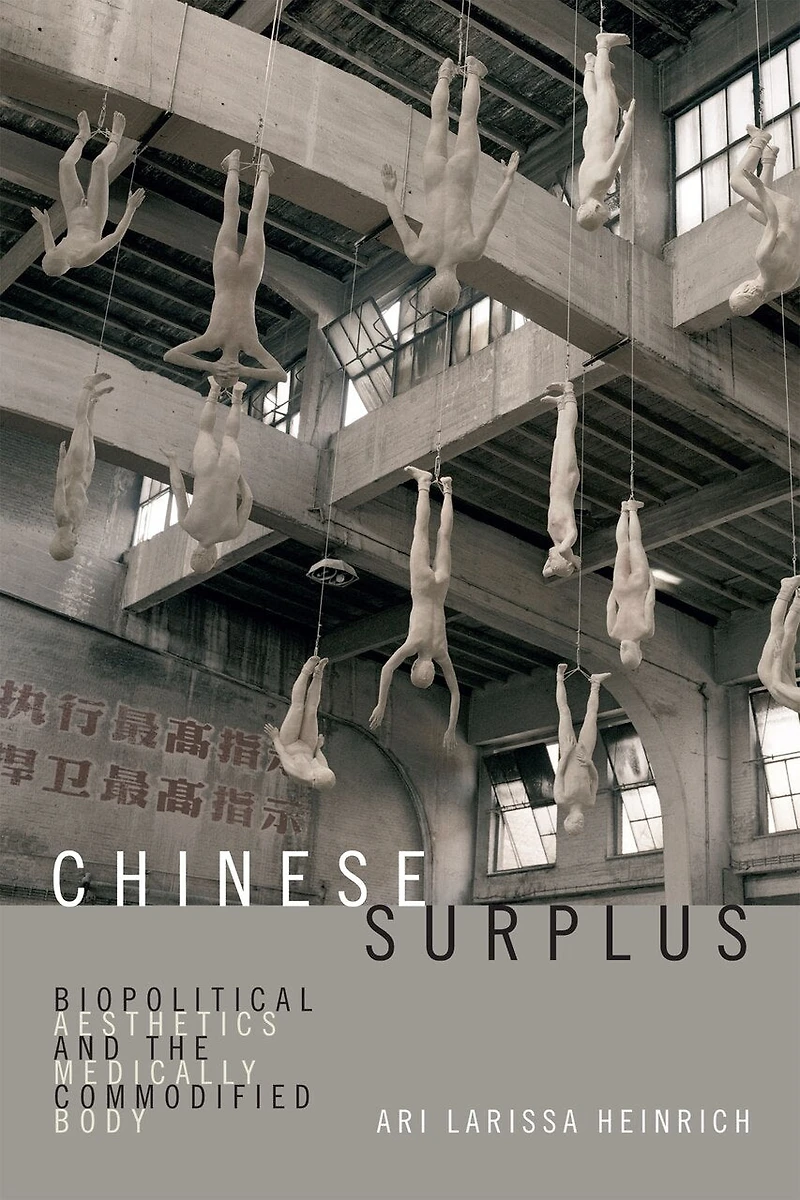
Chinese Surplus: Biopolitical Aesthetics And The Medically Commodified Body in Ottawa, ON
Current price: $181.95

Chinese Surplus: Biopolitical Aesthetics And The Medically Commodified Body in Ottawa, ON
Current price: $181.95
Loading Inventory...
Size: Hardcover
*Product information may vary - to confirm product availability, pricing, shipping and return information please contact Coles
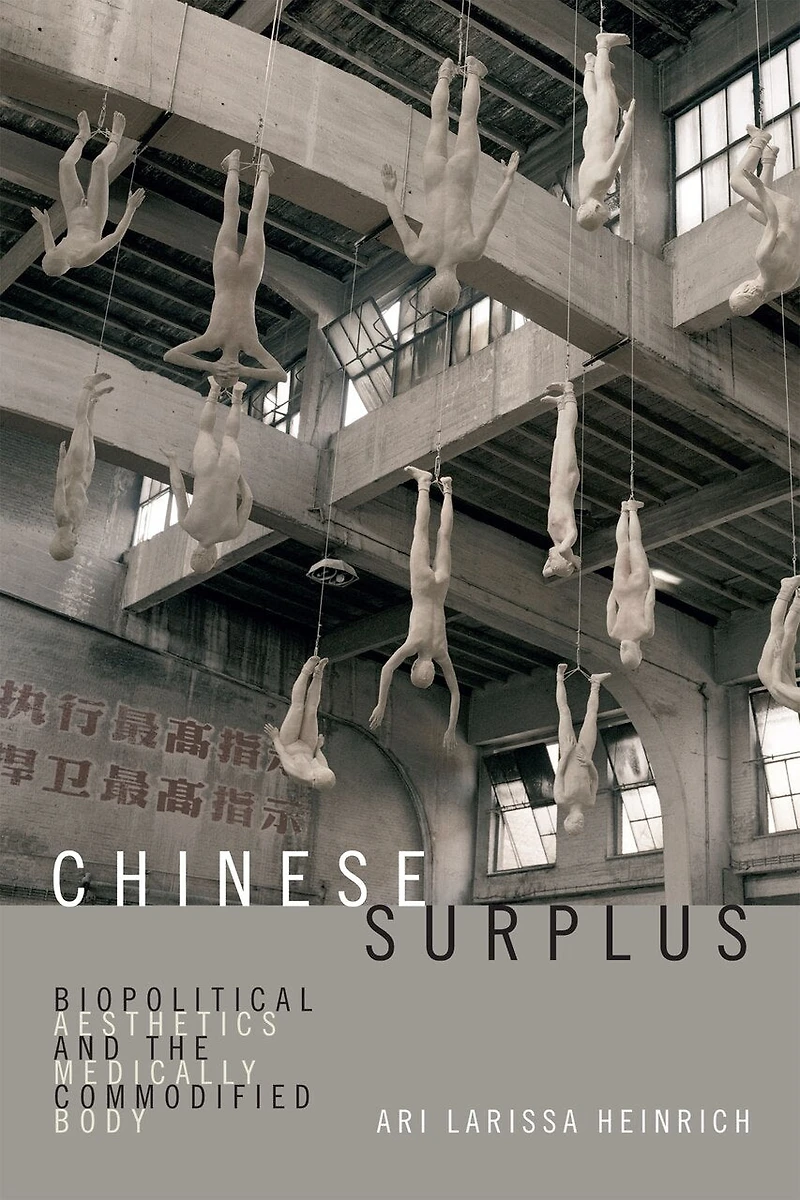
What happens when the body becomes art in the age of biotechnological reproduction? In Chinese Surplus Ari Larissa Heinrich examines transnational Chinese aesthetic production to demonstrate how representations of the medically commodified body can illuminate the effects of biopolitical violence and postcolonialism in contemporary life. From the earliest appearance of Frankenstein in China to the more recent phenomenon of "cadaver art," he shows how vivid images of a blood transfusion as performance art or a plastinated corpse without its skin-however upsetting to witness-constitute the new "realism" of our times. Adapting Foucauldian biopolitics to better account for race, Heinrich provides a means to theorize the relationship between the development of new medical technologies and the representation of the human body as a site of annexation, extraction, art, and meaning-making.
What happens when the body becomes art in the age of biotechnological reproduction? In Chinese Surplus Ari Larissa Heinrich examines transnational Chinese aesthetic production to demonstrate how representations of the medically commodified body can illuminate the effects of biopolitical violence and postcolonialism in contemporary life. From the earliest appearance of Frankenstein in China to the more recent phenomenon of "cadaver art," he shows how vivid images of a blood transfusion as performance art or a plastinated corpse without its skin-however upsetting to witness-constitute the new "realism" of our times. Adapting Foucauldian biopolitics to better account for race, Heinrich provides a means to theorize the relationship between the development of new medical technologies and the representation of the human body as a site of annexation, extraction, art, and meaning-making.
You May Also Like












More About Coles at Bayshore Shopping Centre
Coles is renowned for its outstanding customer service and great selection of books. Along with the vast array of magazines, stationary, audio-books, children's literature, fiction, non-fiction and reference books, you can find accessories to make your reading experience more pleasurable. We can recommend the very best in reading today. We will help you search our titles for exactly what you need, and if we do not have it in stock, we will order it for you.
100 Bayshore Dr, Nepean, ON K2B 8C1, Canada
Find Coles at Bayshore Shopping Centre in Ottawa, ON
Visit Coles at Bayshore Shopping Centre in Ottawa, ON