

Give the Gift of Choice!
Too many options? Treat your friends and family to their favourite stores with a Bayshore Shopping Centre gift card, redeemable at participating retailers throughout the centre. Click below to purchase yours today!Purchase HereHome
Chineseness Chile: Shifting Representations During the Twenty-First Century
Coles
Loading Inventory...
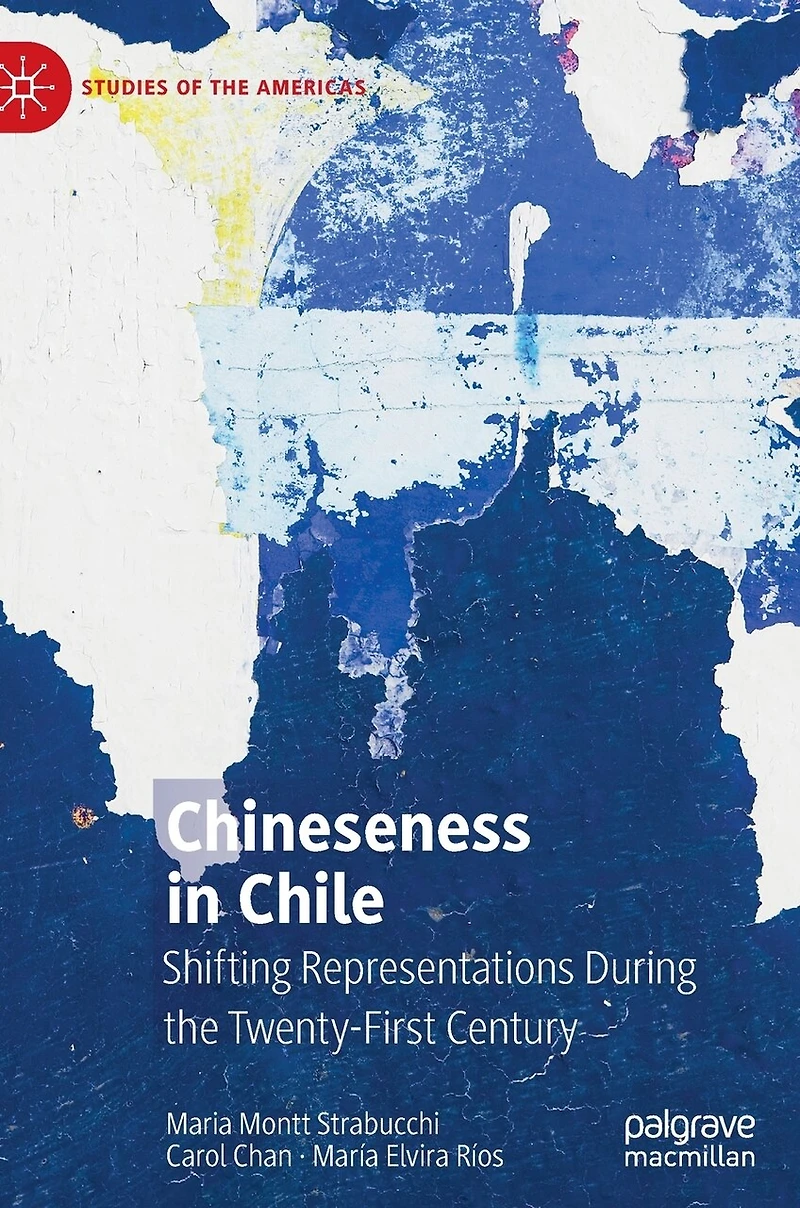
Chineseness Chile: Shifting Representations During the Twenty-First Century in Ottawa, ON
Current price: $175.50

Chineseness Chile: Shifting Representations During the Twenty-First Century in Ottawa, ON
Current price: $175.50
Loading Inventory...
Size: Hardcover
*Product information may vary - to confirm product availability, pricing, shipping and return information please contact Coles
This book explores the role of Chineseness or lo chino in the production of Chilean national identity. It does so by discussing the many voices, images, and intentions of diverse actors who contribute to stereotyping or problematizing Chineseness in Chile. The authors argue that in general, representing and perceiving China or Chineseness as the Other is part of a broader cultural and political strategy for various stakeholders to articulate Chile as either a Western country or one that is becoming-Western. The authors trace the evolution of the symbolic role that China and Chineseness play in defining racial, gendered, and class aspects of Chilean national social imaginary. In doing so, they challenge a common idea that Chineseness is a stable signifier and the simplistic perception of the ethnic Chinese as the unassimilable foreigner within the nation. In response, the authors call for a postmigrant approach to understanding identities and Chilean society beyond stubborn Orient-Occident and us-them dichotomies.
This book explores the role of Chineseness or lo chino in the production of Chilean national identity. It does so by discussing the many voices, images, and intentions of diverse actors who contribute to stereotyping or problematizing Chineseness in Chile. The authors argue that in general, representing and perceiving China or Chineseness as the Other is part of a broader cultural and political strategy for various stakeholders to articulate Chile as either a Western country or one that is becoming-Western. The authors trace the evolution of the symbolic role that China and Chineseness play in defining racial, gendered, and class aspects of Chilean national social imaginary. In doing so, they challenge a common idea that Chineseness is a stable signifier and the simplistic perception of the ethnic Chinese as the unassimilable foreigner within the nation. In response, the authors call for a postmigrant approach to understanding identities and Chilean society beyond stubborn Orient-Occident and us-them dichotomies.
You May Also Like













More About Coles at Bayshore Shopping Centre
Coles is renowned for its outstanding customer service and great selection of books. Along with the vast array of magazines, stationary, audio-books, children's literature, fiction, non-fiction and reference books, you can find accessories to make your reading experience more pleasurable. We can recommend the very best in reading today. We will help you search our titles for exactly what you need, and if we do not have it in stock, we will order it for you.
100 Bayshore Dr, Nepean, ON K2B 8C1, Canada
Find Coles at Bayshore Shopping Centre in Ottawa, ON
Visit Coles at Bayshore Shopping Centre in Ottawa, ON