

Give the Gift of Choice!
Too many options? Treat your friends and family to their favourite stores with a Bayshore Shopping Centre gift card, redeemable at participating retailers throughout the centre. Click below to purchase yours today!Purchase HereHome
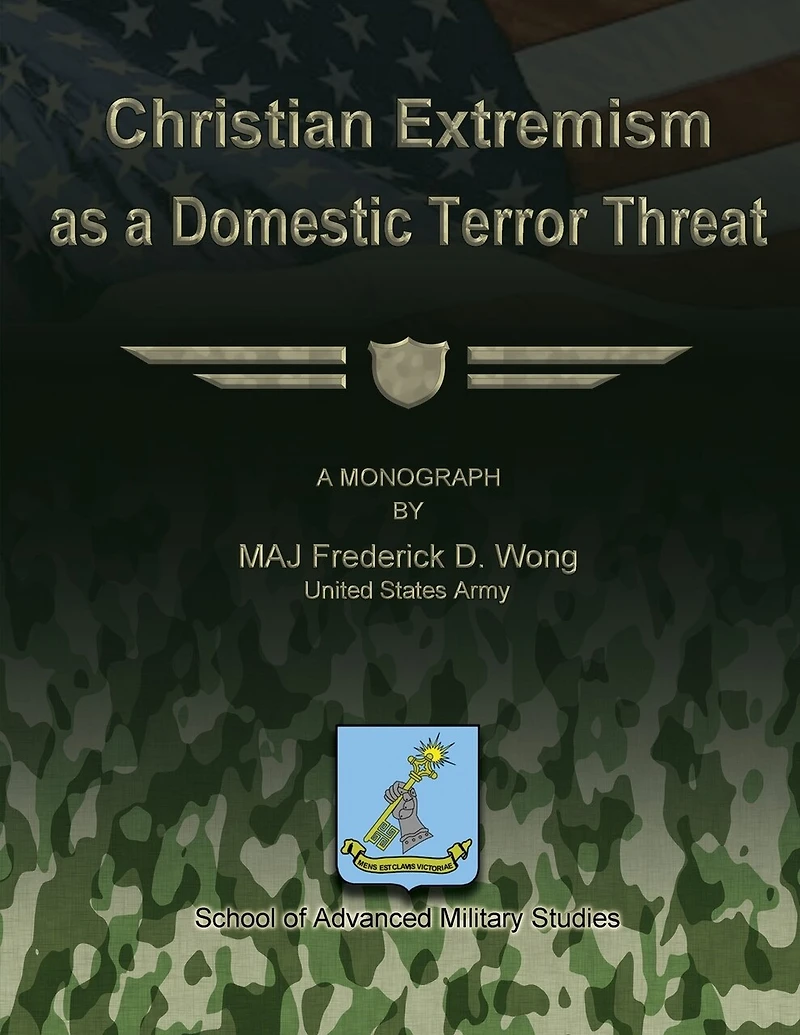
Christian Extremism as a Domestic Terror Threat
Coles
Loading Inventory...
Christian Extremism as a Domestic Terror Threat in Ottawa, ON
Current price: $20.95

Christian Extremism as a Domestic Terror Threat in Ottawa, ON
Current price: $20.95
Loading Inventory...
Size: Paperback
*Product information may vary - to confirm product availability, pricing, shipping and return information please contact Coles
Americans readily identify Muslim extremism as a viable threat to America. However, they ignore or remain unaware of Christian extremism in the same context, despite the similarities in ideology that advocate violence against Americans. For example, the motivation behind Eric Rudolph's bombing of the Olympics in Atlanta in 1996 was to "embarrass and punish the U.S. government" for its pro-abortion stance. This monograph explores what, if any, domestic terror threat Christian extremism poses and follows the Constructivist approach: how ideas define structure, how this structure defines interests, and how actors take action as a result. Initially focusing on the history and core beliefs of the Christian Identity movement and radical fringes of Dominion and Reconstruction theology, this monograph identifies two major underlying themes in Christian extremism. The first is racism through the use of religion as an accelerant to promote violence. The second is religiously motivated terrorism to support what is perceived as God's will and law. In addition, this monograph analyzes federal law enforcement action against Christian extremism through a series of case studies that took place in Mountainhome, Arkansas, Ruby Ridge, Idaho, and Waco, Texas. The analysis of the catastrophic consequences from Ruby Ridge and Waco with the Oklahoma City bombing follows. Concluding this monograph are the lessons learned, comparison of federal law enforcement's action in each case study, and analyzing the tactics and leadership involved. Whereas the FBI's tactics and leadership exercised proved highly successful in Arkansas, they were disastrous in Idaho and Texas. Finally, this monograph provides a domestic terror threat assessment with recommended actions in what is not only a law enforcement issue, but a war of ideology between tolerance and understanding versus hate and bigotry. While difficult to implement, the recommended actions contribute to the understanding of Christian extremism and potential threats stemming from it.
Americans readily identify Muslim extremism as a viable threat to America. However, they ignore or remain unaware of Christian extremism in the same context, despite the similarities in ideology that advocate violence against Americans. For example, the motivation behind Eric Rudolph's bombing of the Olympics in Atlanta in 1996 was to "embarrass and punish the U.S. government" for its pro-abortion stance. This monograph explores what, if any, domestic terror threat Christian extremism poses and follows the Constructivist approach: how ideas define structure, how this structure defines interests, and how actors take action as a result. Initially focusing on the history and core beliefs of the Christian Identity movement and radical fringes of Dominion and Reconstruction theology, this monograph identifies two major underlying themes in Christian extremism. The first is racism through the use of religion as an accelerant to promote violence. The second is religiously motivated terrorism to support what is perceived as God's will and law. In addition, this monograph analyzes federal law enforcement action against Christian extremism through a series of case studies that took place in Mountainhome, Arkansas, Ruby Ridge, Idaho, and Waco, Texas. The analysis of the catastrophic consequences from Ruby Ridge and Waco with the Oklahoma City bombing follows. Concluding this monograph are the lessons learned, comparison of federal law enforcement's action in each case study, and analyzing the tactics and leadership involved. Whereas the FBI's tactics and leadership exercised proved highly successful in Arkansas, they were disastrous in Idaho and Texas. Finally, this monograph provides a domestic terror threat assessment with recommended actions in what is not only a law enforcement issue, but a war of ideology between tolerance and understanding versus hate and bigotry. While difficult to implement, the recommended actions contribute to the understanding of Christian extremism and potential threats stemming from it.
You May Also Like











More About Coles at Bayshore Shopping Centre
Coles is renowned for its outstanding customer service and great selection of books. Along with the vast array of magazines, stationary, audio-books, children's literature, fiction, non-fiction and reference books, you can find accessories to make your reading experience more pleasurable. We can recommend the very best in reading today. We will help you search our titles for exactly what you need, and if we do not have it in stock, we will order it for you.
100 Bayshore Dr, Nepean, ON K2B 8C1, Canada
Find Coles at Bayshore Shopping Centre in Ottawa, ON
Visit Coles at Bayshore Shopping Centre in Ottawa, ON