

Give the Gift of Choice!
Too many options? Treat your friends and family to their favourite stores with a Bayshore Shopping Centre gift card, redeemable at participating retailers throughout the centre. Click below to purchase yours today!Purchase HereHome
Church and State in Spanish Italy: Rituals and Legitimacy in the Kingdom of Naples
Coles
Loading Inventory...
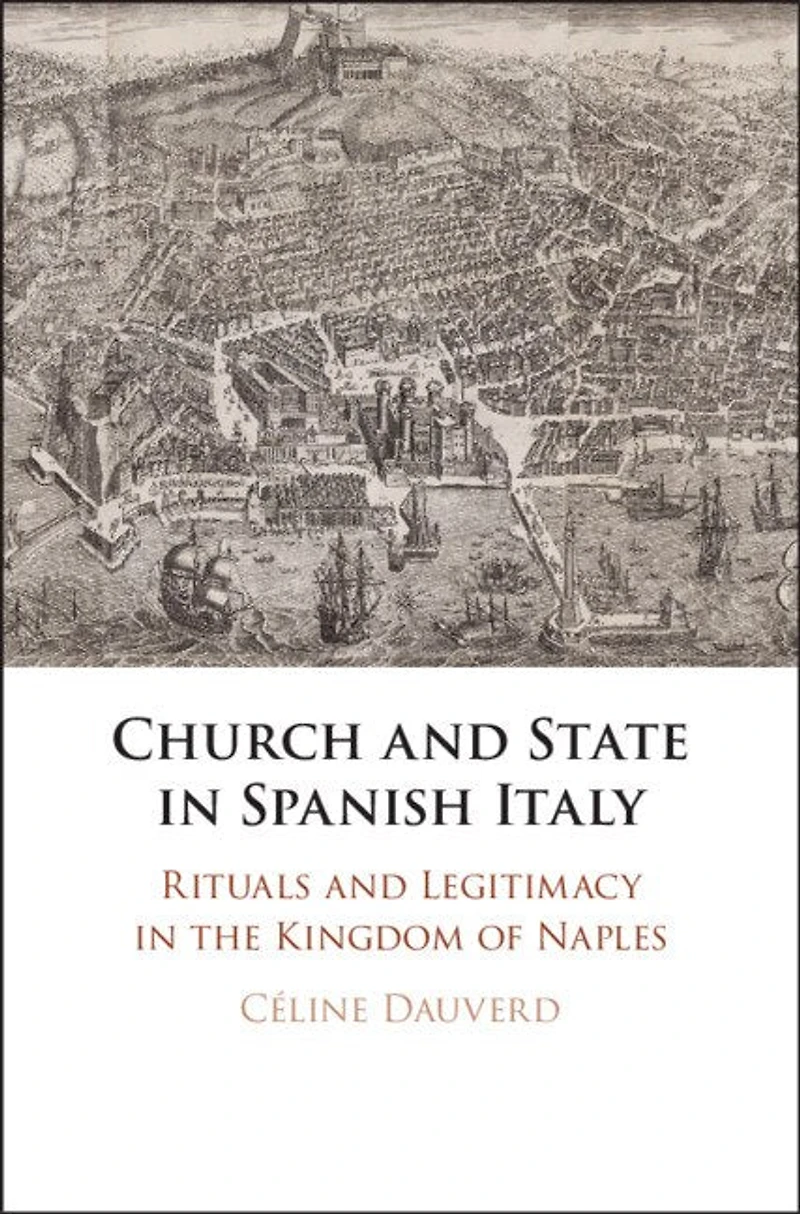
Church and State in Spanish Italy: Rituals and Legitimacy in the Kingdom of Naples in Ottawa, ON
Current price: $144.95

Church and State in Spanish Italy: Rituals and Legitimacy in the Kingdom of Naples in Ottawa, ON
Current price: $144.95
Loading Inventory...
Size: Hardcover
*Product information may vary - to confirm product availability, pricing, shipping and return information please contact Coles
In this study Céline Dauverd analyses the link between early modern imperialism and religion via the principle of 'good government'. She charts how the Spanish viceroys of southern Italy aimed to secure a new political order through their participation in religious processions, alliance-building with minority groups, and involvement in local charities. The viceroys' good government included diplomacy, compromise, and pragmatism, as well as a high degree of Christian ethics and morality, made manifest in their rapport with rituals. Spanish viceroys were not so much idealistic social reformers as they were legal pragmatists, committed to a political vision that ensured the longevity of the Spanish empire. The viceroys resolved the tension between Christian ideals and Spanish imperialism by building religious ties with the local community. Bringing a new approach to Euro-Mediterranean history, Dauverd shows how the viceroys secured a new political order, and re-evaluates Spain's contributions to the early modern European world.
In this study Céline Dauverd analyses the link between early modern imperialism and religion via the principle of 'good government'. She charts how the Spanish viceroys of southern Italy aimed to secure a new political order through their participation in religious processions, alliance-building with minority groups, and involvement in local charities. The viceroys' good government included diplomacy, compromise, and pragmatism, as well as a high degree of Christian ethics and morality, made manifest in their rapport with rituals. Spanish viceroys were not so much idealistic social reformers as they were legal pragmatists, committed to a political vision that ensured the longevity of the Spanish empire. The viceroys resolved the tension between Christian ideals and Spanish imperialism by building religious ties with the local community. Bringing a new approach to Euro-Mediterranean history, Dauverd shows how the viceroys secured a new political order, and re-evaluates Spain's contributions to the early modern European world.
You May Also Like

















More About Coles at Bayshore Shopping Centre
Coles is renowned for its outstanding customer service and great selection of books. Along with the vast array of magazines, stationary, audio-books, children's literature, fiction, non-fiction and reference books, you can find accessories to make your reading experience more pleasurable. We can recommend the very best in reading today. We will help you search our titles for exactly what you need, and if we do not have it in stock, we will order it for you.
100 Bayshore Dr, Nepean, ON K2B 8C1, Canada
Find Coles at Bayshore Shopping Centre in Ottawa, ON
Visit Coles at Bayshore Shopping Centre in Ottawa, ON