

Give the Gift of Choice!
Too many options? Treat your friends and family to their favourite stores with a Bayshore Shopping Centre gift card, redeemable at participating retailers throughout the centre. Click below to purchase yours today!Purchase HereHome
Cinema and Brexit: The Politics of Popular English Film
Coles
Loading Inventory...
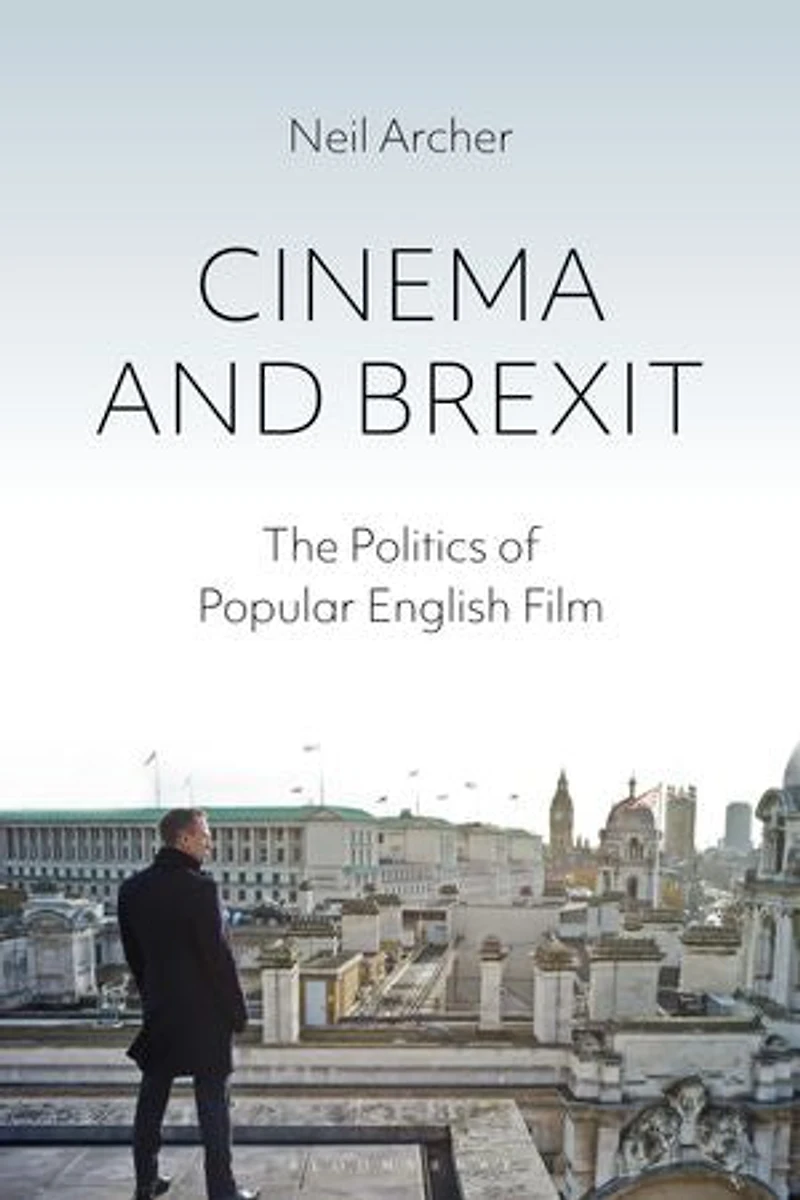
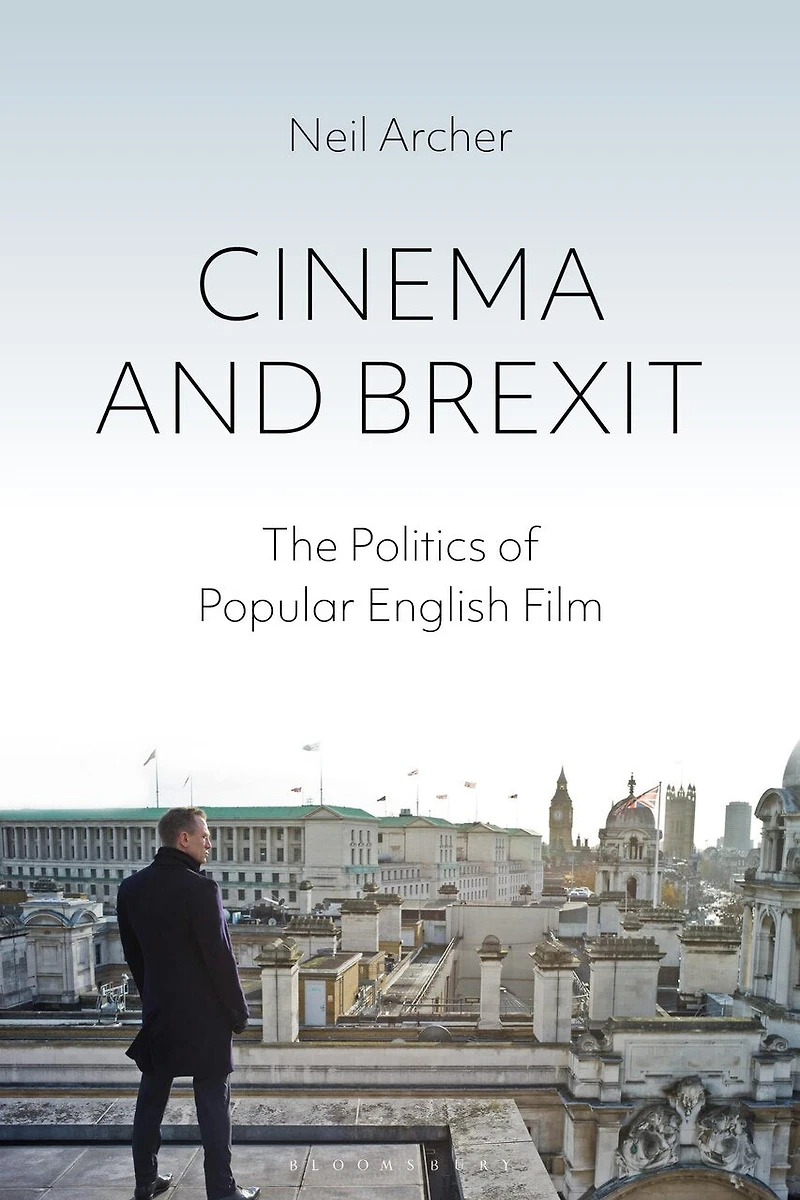
Cinema and Brexit: The Politics of Popular English Film in Ottawa, ON
Current price: $45.39
Original price: $56.65

Cinema and Brexit: The Politics of Popular English Film in Ottawa, ON
Current price: $45.39
Original price: $56.65
Loading Inventory...
Size: Kobo eBook
*Product information may vary - to confirm product availability, pricing, shipping and return information please contact Coles
Neil Archer's original study makes a timely and politically-engaged intervention in debates about national cinema and national identity. Structured around key examples of 'culturally English cinema' in the years up to and following the UK's 2016 vote to leave the European Union, Cinema and Brexit looks to make sense of the peculiarities and paradoxes marking this era of filmmaking. At the same time as providing a contextual and analytical reading of 21st century filmmaking in Britain, Archer raises critical questions about popular national cinema, and how Brexit has cast both light and shadow over this body of films. Central to Archer's argument is the idea that Brexit represents not just a critical moment in how we will understand future film production, but also in how we will understand production of the recent past. Using as a point of departure the London Olympics opening ceremony of 2012, Cinema and Brexit considers the tensions inherent in a wide range of films, including Skyfall (2012), Dunkirk (2017), Their Finest (2017), Darkest Hour (2017), The Crown (Netflix, 2016), Paddington (2014), Paddington 2 (2017), Never Let Me Go (2011), Absolutely Fabulous: The Movie (2016), The Trip (2010), The Inbetweeners Movie (2011), Mr. Bean's Holiday (2007), The World's End (2013), Sightseers (2012), One Day (2011), Attack the Block (2011), King Arthur: Legend of the Sword (2017) and The Kid Who Would be King (2019). Archer examines the complex national narratives and representations these films expound, situating his analyses within the broader commercial contexts of film production beyond Hollywood, highlighting the negotiations or contradictions at play between the industrial imperatives of contemporary films and the varied circumstances in which they are made. Considering some of the ways a popular and globally-minded English cinema is finding means to work alongside and through the contexts of Brexit, he questions what are the stakes for, and possibilities of, a global 'culturally English cinema' in 2019 and beyond.
Neil Archer's original study makes a timely and politically-engaged intervention in debates about national cinema and national identity. Structured around key examples of 'culturally English cinema' in the years up to and following the UK's 2016 vote to leave the European Union, Cinema and Brexit looks to make sense of the peculiarities and paradoxes marking this era of filmmaking. At the same time as providing a contextual and analytical reading of 21st century filmmaking in Britain, Archer raises critical questions about popular national cinema, and how Brexit has cast both light and shadow over this body of films. Central to Archer's argument is the idea that Brexit represents not just a critical moment in how we will understand future film production, but also in how we will understand production of the recent past. Using as a point of departure the London Olympics opening ceremony of 2012, Cinema and Brexit considers the tensions inherent in a wide range of films, including Skyfall (2012), Dunkirk (2017), Their Finest (2017), Darkest Hour (2017), The Crown (Netflix, 2016), Paddington (2014), Paddington 2 (2017), Never Let Me Go (2011), Absolutely Fabulous: The Movie (2016), The Trip (2010), The Inbetweeners Movie (2011), Mr. Bean's Holiday (2007), The World's End (2013), Sightseers (2012), One Day (2011), Attack the Block (2011), King Arthur: Legend of the Sword (2017) and The Kid Who Would be King (2019). Archer examines the complex national narratives and representations these films expound, situating his analyses within the broader commercial contexts of film production beyond Hollywood, highlighting the negotiations or contradictions at play between the industrial imperatives of contemporary films and the varied circumstances in which they are made. Considering some of the ways a popular and globally-minded English cinema is finding means to work alongside and through the contexts of Brexit, he questions what are the stakes for, and possibilities of, a global 'culturally English cinema' in 2019 and beyond.
You May Also Like









More About Coles at Bayshore Shopping Centre
Coles is renowned for its outstanding customer service and great selection of books. Along with the vast array of magazines, stationary, audio-books, children's literature, fiction, non-fiction and reference books, you can find accessories to make your reading experience more pleasurable. We can recommend the very best in reading today. We will help you search our titles for exactly what you need, and if we do not have it in stock, we will order it for you.
100 Bayshore Dr, Nepean, ON K2B 8C1, Canada
Find Coles at Bayshore Shopping Centre in Ottawa, ON
Visit Coles at Bayshore Shopping Centre in Ottawa, ON