

Give the Gift of Choice!
Too many options? Treat your friends and family to their favourite stores with a Bayshore Shopping Centre gift card, redeemable at participating retailers throughout the centre. Click below to purchase yours today!Purchase HereHome
Cinema under National Reconstruction: State Censorship and South Korea's Cold War Film Culture
Coles
Loading Inventory...
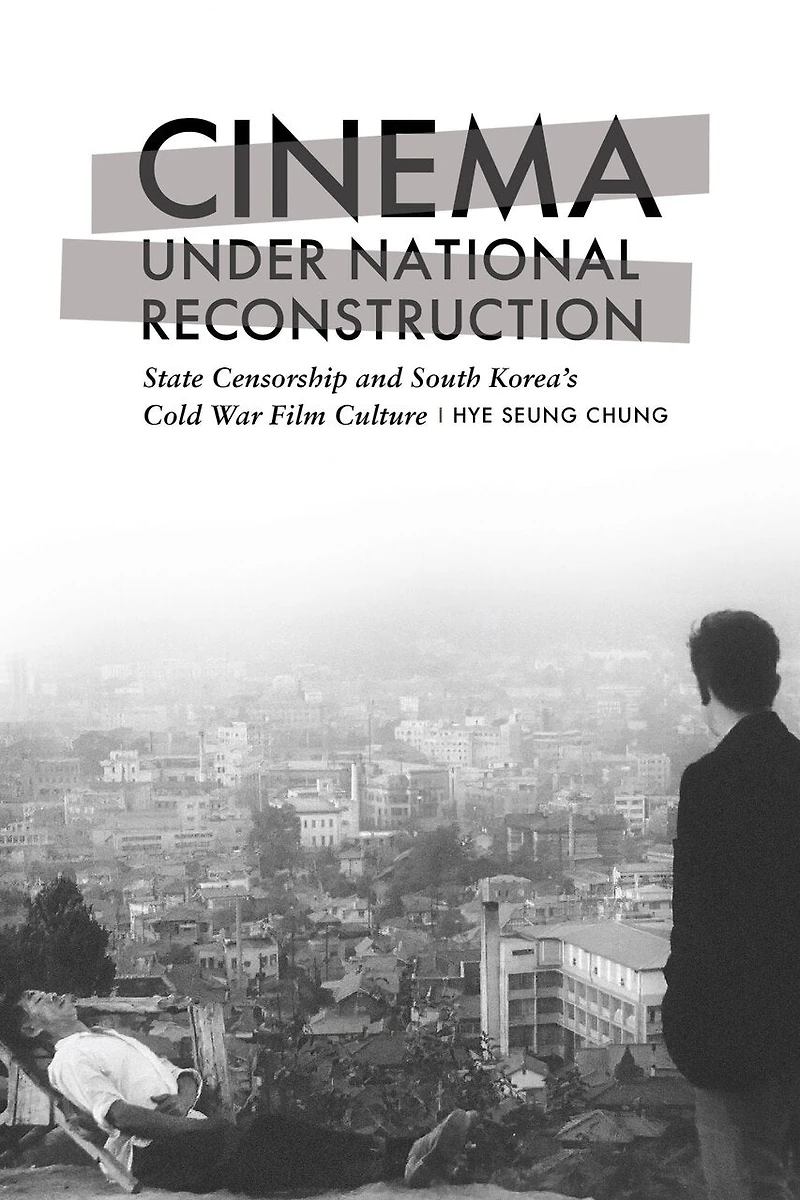
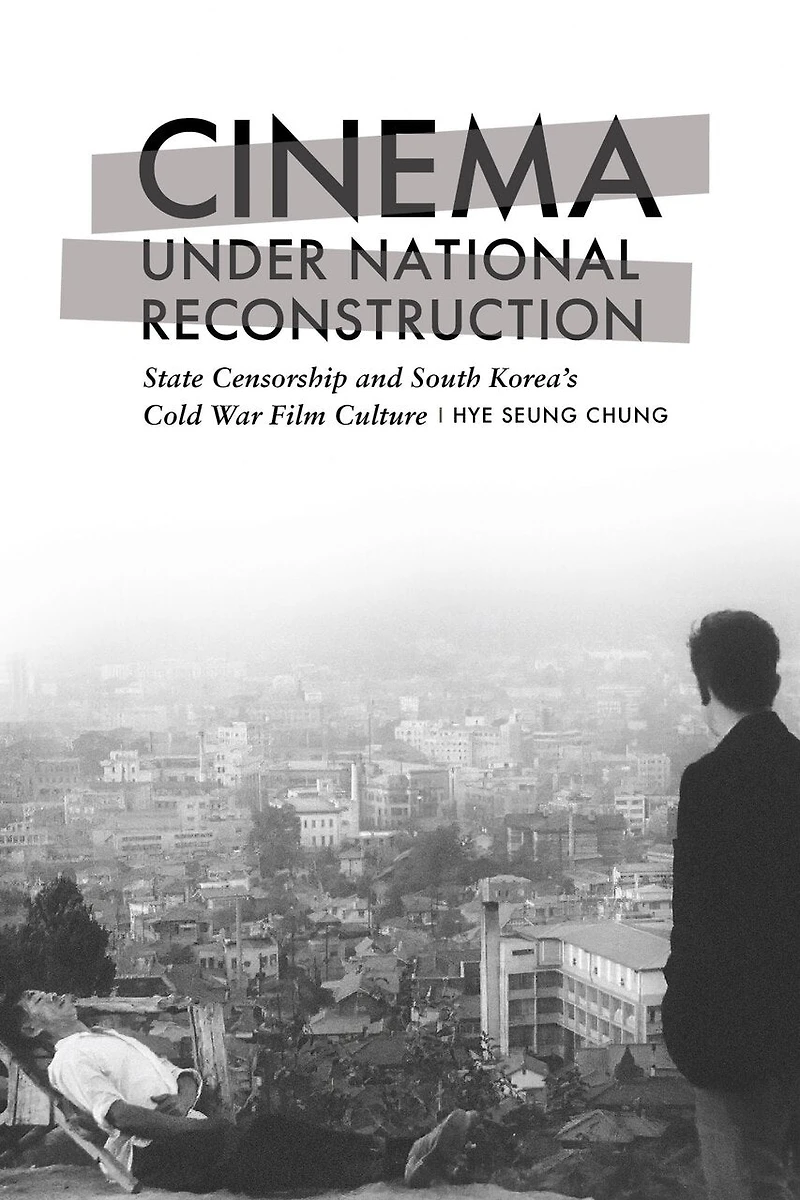
Cinema under National Reconstruction: State Censorship and South Korea's Cold War Film Culture in Ottawa, ON
Current price: $150.00

Cinema under National Reconstruction: State Censorship and South Korea's Cold War Film Culture in Ottawa, ON
Current price: $150.00
Loading Inventory...
Size: Hardcover
*Product information may vary - to confirm product availability, pricing, shipping and return information please contact Coles
Cinema under National Reconstruction calls for a revisionist understanding of state film censorship during successive Cold War military regimes in South Korea (1961-1988). Drawing upon primary documents from the Korean Film Archive's digitized database and framing South Korean film censorship from a transnational perspective, Hye Seung Chung makes the case that, while political oppression/repression existed inside and outside the film industry during this period, film censorship was not simply a tool for authoritarian dictatorship. Through such case studies as Yu Hyun-mok's The Stray Bullet (1961), Ha Kil-jong's The March of the Fools (1975), and Yi Chang-ho's Declaration of Fools (1983), the author defines censorship as a dialogical process of cultural negotiations wherein the state, the film industry, and the public fight out a battle over the definitions and functions of national cinema. In the context of Cold War Korea, one cannot fully understand or construct film history without reassessing censorship as a productive feedback system where both state regulators and filmmakers played active roles in shaping the new narrative or sentiment of the nation on the big screen.
Cinema under National Reconstruction calls for a revisionist understanding of state film censorship during successive Cold War military regimes in South Korea (1961-1988). Drawing upon primary documents from the Korean Film Archive's digitized database and framing South Korean film censorship from a transnational perspective, Hye Seung Chung makes the case that, while political oppression/repression existed inside and outside the film industry during this period, film censorship was not simply a tool for authoritarian dictatorship. Through such case studies as Yu Hyun-mok's The Stray Bullet (1961), Ha Kil-jong's The March of the Fools (1975), and Yi Chang-ho's Declaration of Fools (1983), the author defines censorship as a dialogical process of cultural negotiations wherein the state, the film industry, and the public fight out a battle over the definitions and functions of national cinema. In the context of Cold War Korea, one cannot fully understand or construct film history without reassessing censorship as a productive feedback system where both state regulators and filmmakers played active roles in shaping the new narrative or sentiment of the nation on the big screen.
You May Also Like








More About Coles at Bayshore Shopping Centre
Coles is renowned for its outstanding customer service and great selection of books. Along with the vast array of magazines, stationary, audio-books, children's literature, fiction, non-fiction and reference books, you can find accessories to make your reading experience more pleasurable. We can recommend the very best in reading today. We will help you search our titles for exactly what you need, and if we do not have it in stock, we will order it for you.
100 Bayshore Dr, Nepean, ON K2B 8C1, Canada
Find Coles at Bayshore Shopping Centre in Ottawa, ON
Visit Coles at Bayshore Shopping Centre in Ottawa, ON