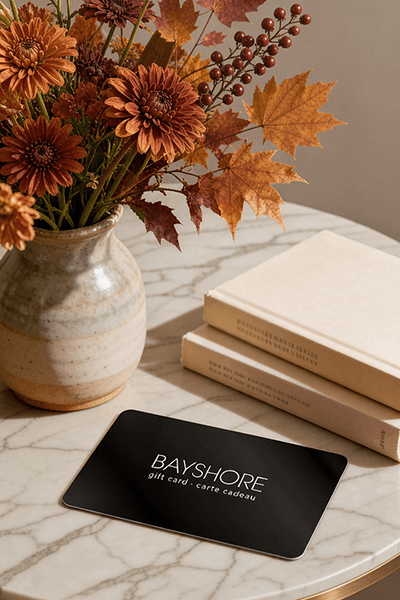
Too many options? Treat your friends and family to their favourite stores with a Bayshore Shopping Centre gift card, redeemable at participating retailers throughout the centre. Click below to purchase yours today!Purchase Here
Coles Citizens of A Stolen Land: Ho-Chunk History the Nineteenth-Century United States at Bayshore Shopping Centre in Ottawa, ON
*Product information may vary - to confirm product availability, pricing, shipping and return information please contact Coles
This concise and revealing history reconsiders the Civil War era by centering one Native American tribe’s encounter with citizenship. In 1837, eleven years before Wisconsin’s admission as a state, representatives of the Ho-Chunk people yielded under immense duress and signed a treaty that ceded their remaining ancestral lands to the U.S. government. Over the four decades that followed, as “free soil” settlement repeatedly demanded their further expulsion, many Ho-Chunk people lived under the U.S. government’s policies of “civilization,” allotment, and citizenship. Others lived as outlaws, evading military campaigns to expel them and adapting their ways of life to new circumstances. After the Civil War, as Reconstruction’s vision of nonracial, national, birthright citizenship excluded most Native Americans, the Ho-Chunk who remained in their Wisconsin homeland understood and exploited this contradiction. Professing eagerness to participate in the postwar nation, they gained the right to remain in Wisconsin as landowners and voters while retaining their language, culture, and identity as a people.
This history of Ho-Chunk sovereignty and citizenship offer a bracing new perspective on citizenship’s perils and promises, the way the broader nineteenth-century conflict between “free soil” and slaveholding expansion shaped Indigenous life, and the continuing impact of Native people’s struggles and claims on U.S. politics and society.
This concise and revealing history reconsiders the Civil War era by centering one Native American tribe’s encounter with citizenship. In 1837, eleven years before Wisconsin’s admission as a state, representatives of the Ho-Chunk people yielded under immense duress and signed a treaty that ceded their remaining ancestral lands to the U.S. government. Over the four decades that followed, as “free soil” settlement repeatedly demanded their further expulsion, many Ho-Chunk people lived under the U.S. government’s policies of “civilization,” allotment, and citizenship. Others lived as outlaws, evading military campaigns to expel them and adapting their ways of life to new circumstances. After the Civil War, as Reconstruction’s vision of nonracial, national, birthright citizenship excluded most Native Americans, the Ho-Chunk who remained in their Wisconsin homeland understood and exploited this contradiction. Professing eagerness to participate in the postwar nation, they gained the right to remain in Wisconsin as landowners and voters while retaining their language, culture, and identity as a people.
This history of Ho-Chunk sovereignty and citizenship offer a bracing new perspective on citizenship’s perils and promises, the way the broader nineteenth-century conflict between “free soil” and slaveholding expansion shaped Indigenous life, and the continuing impact of Native people’s struggles and claims on U.S. politics and society.
Coles is renowned for its outstanding customer service and great selection of books. Along with the vast array of magazines, stationary, audio-books, children's literature, fiction, non-fiction and reference books, you can find accessories to make your reading experience more pleasurable. We can recommend the very best in reading today. We will help you search our titles for exactly what you need, and if we do not have it in stock, we will order it for you.