

Give the Gift of Choice!
Too many options? Treat your friends and family to their favourite stores with a Bayshore Shopping Centre gift card, redeemable at participating retailers throughout the centre. Click below to purchase yours today!Purchase HereHome
Citizens of Scandal: Journalism, Secrecy, and the Politics Reckoning Mexico
Coles
Loading Inventory...
Citizens of Scandal: Journalism, Secrecy, and the Politics Reckoning Mexico in Ottawa, ON
Current price: $181.95

Citizens of Scandal: Journalism, Secrecy, and the Politics Reckoning Mexico in Ottawa, ON
Current price: $181.95
Loading Inventory...
Size: Hardcover
*Product information may vary - to confirm product availability, pricing, shipping and return information please contact Coles
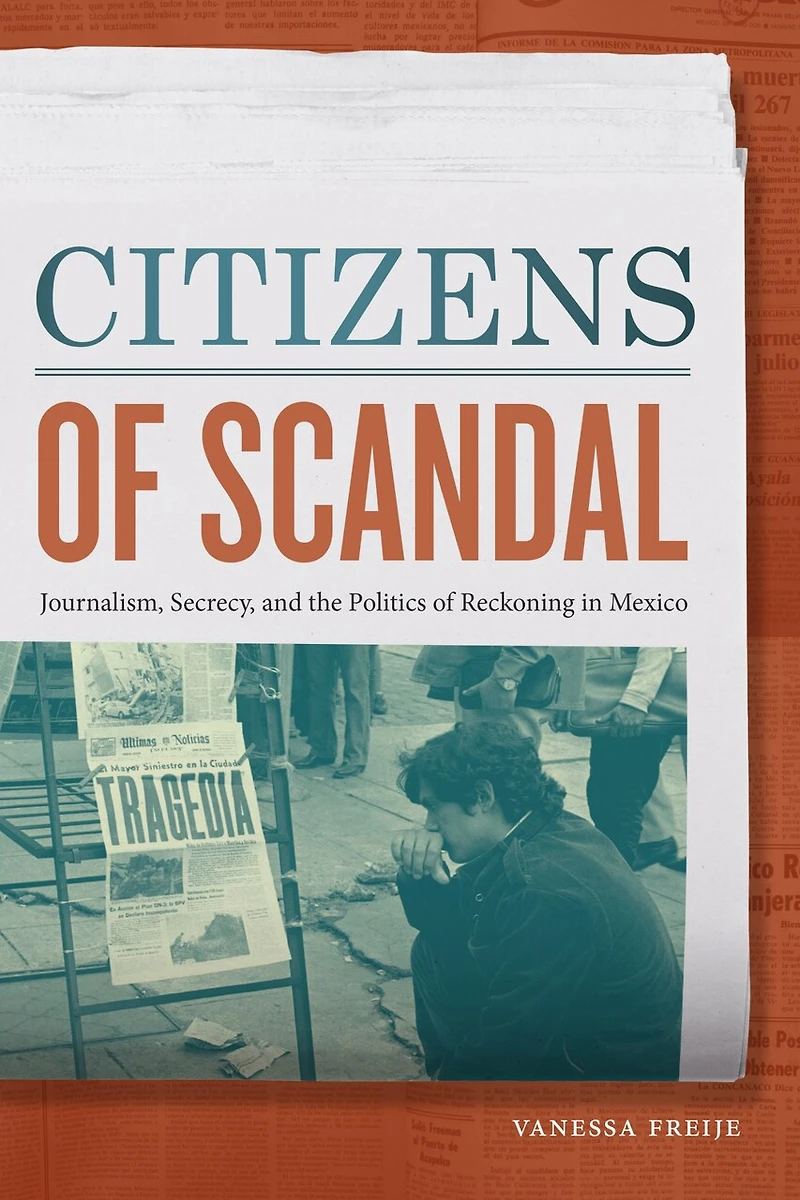
In Citizens of Scandal , Vanessa Freije explores the causes and consequences of political scandals in Mexico from the 1960s through the 1980s. Tracing the process by which Mexico City reporters denounced official wrongdoing, she shows that by the 1980s political scandals were a common feature of the national media diet. News stories of state embezzlement, torture, police violence, and electoral fraud provided collective opportunities to voice dissent and offered an important, though unpredictable and inequitable, mechanism for political representation. The publicity of wrongdoing also disrupted top-down attempts by the ruling Partido Revolucionario Institucional to manage public discourse, exposing divisions within the party and forcing government officials to grapple with popular discontent. While critical reporters denounced corruption, they also withheld many secrets from public discussion, sometimes out of concern for their safety. Freije highlights the tensions-between free speech and censorship, representation and exclusion, and transparency and secrecy-that defined the Mexican public sphere in the late twentieth century.
In Citizens of Scandal , Vanessa Freije explores the causes and consequences of political scandals in Mexico from the 1960s through the 1980s. Tracing the process by which Mexico City reporters denounced official wrongdoing, she shows that by the 1980s political scandals were a common feature of the national media diet. News stories of state embezzlement, torture, police violence, and electoral fraud provided collective opportunities to voice dissent and offered an important, though unpredictable and inequitable, mechanism for political representation. The publicity of wrongdoing also disrupted top-down attempts by the ruling Partido Revolucionario Institucional to manage public discourse, exposing divisions within the party and forcing government officials to grapple with popular discontent. While critical reporters denounced corruption, they also withheld many secrets from public discussion, sometimes out of concern for their safety. Freije highlights the tensions-between free speech and censorship, representation and exclusion, and transparency and secrecy-that defined the Mexican public sphere in the late twentieth century.
You May Also Like












More About Coles at Bayshore Shopping Centre
Coles is renowned for its outstanding customer service and great selection of books. Along with the vast array of magazines, stationary, audio-books, children's literature, fiction, non-fiction and reference books, you can find accessories to make your reading experience more pleasurable. We can recommend the very best in reading today. We will help you search our titles for exactly what you need, and if we do not have it in stock, we will order it for you.
100 Bayshore Dr, Nepean, ON K2B 8C1, Canada
Find Coles at Bayshore Shopping Centre in Ottawa, ON
Visit Coles at Bayshore Shopping Centre in Ottawa, ON